Arsenic, April 2006, Vol. 2, No. 2
June 28, 2024
Early Earth, August 2006, Vol. 2, No. 4
June 28, 2024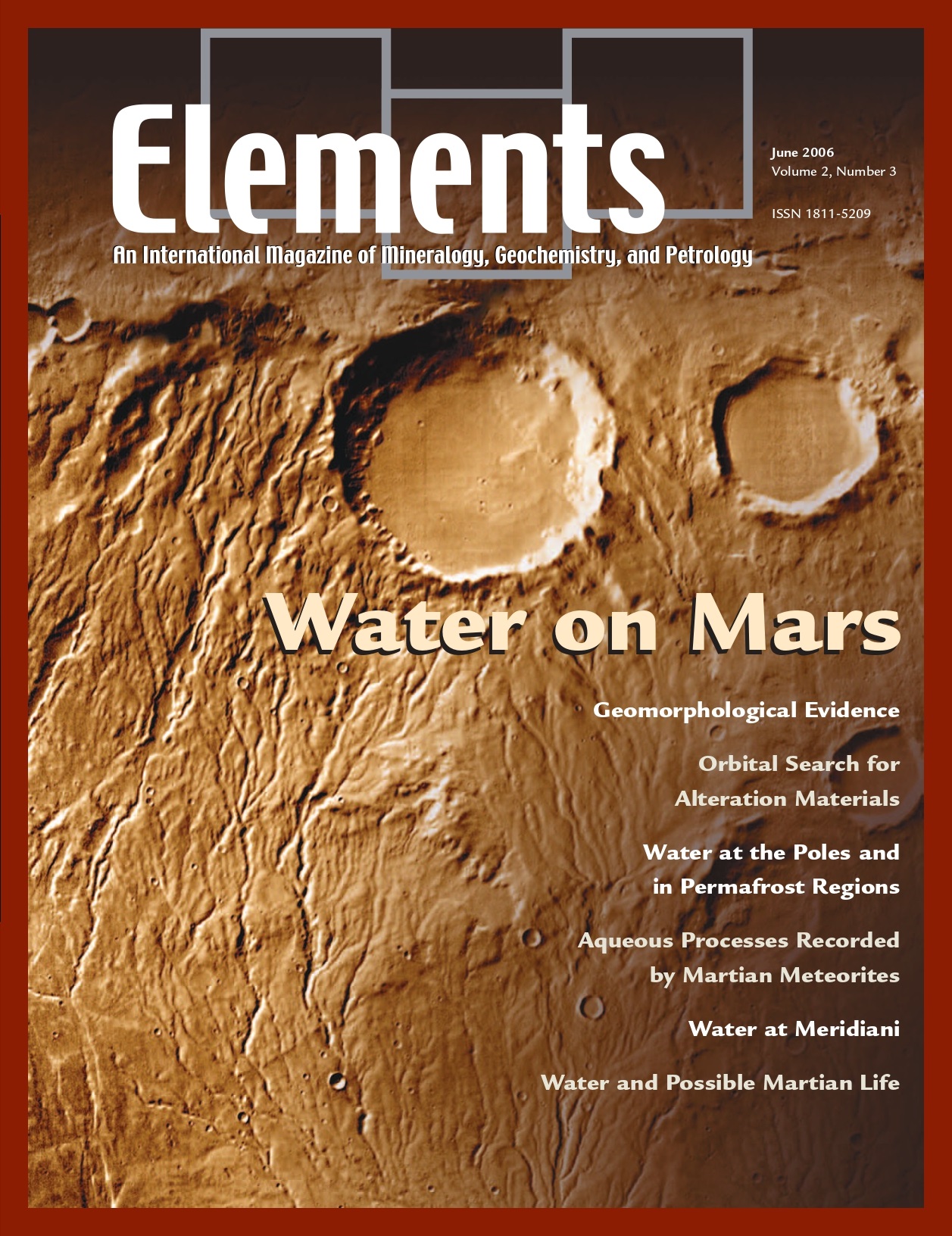
Water On Mars, June 2006, Vol. 2, No. 3
$20.00
During the past several decades, spacecraft data have transformed the planets from astronomical objects into geologic worlds. Mars is the current focus of planetary exploration, and NASA’s objectives for this effort are based on the theme, “follow the water.
Water On Mars
June 2006, Vol. 2, No. 3
During the past several decades, spacecraft data have transformed the planets from astronomical objects into geologic worlds. Mars is the current focus of planetary exploration, and NASA’s objectives for this effort are based on the theme, “follow the water.” This issue addresses new discoveries from spacecraft and from Martian meteorites about where water or ice was (or is) located and about the role of water in determining the mineralogy, petrology, and geochemistry of the Martian surface.
Why You’ll Love Elements Magazine:
- Expert Contributors: Articles written by renowned researchers in the field of geoscience.
- Engaging Content: Join a community of readers who are passionate about Elements.
- Exceptional Quality: Each issue is printed on high-quality paper with stunning visuals and detailed illustrations that bring complex scientific concepts to life.
Order your copy of the June 2006 issue of Elements magazine today and find out about the water on Mars.
Related products
-
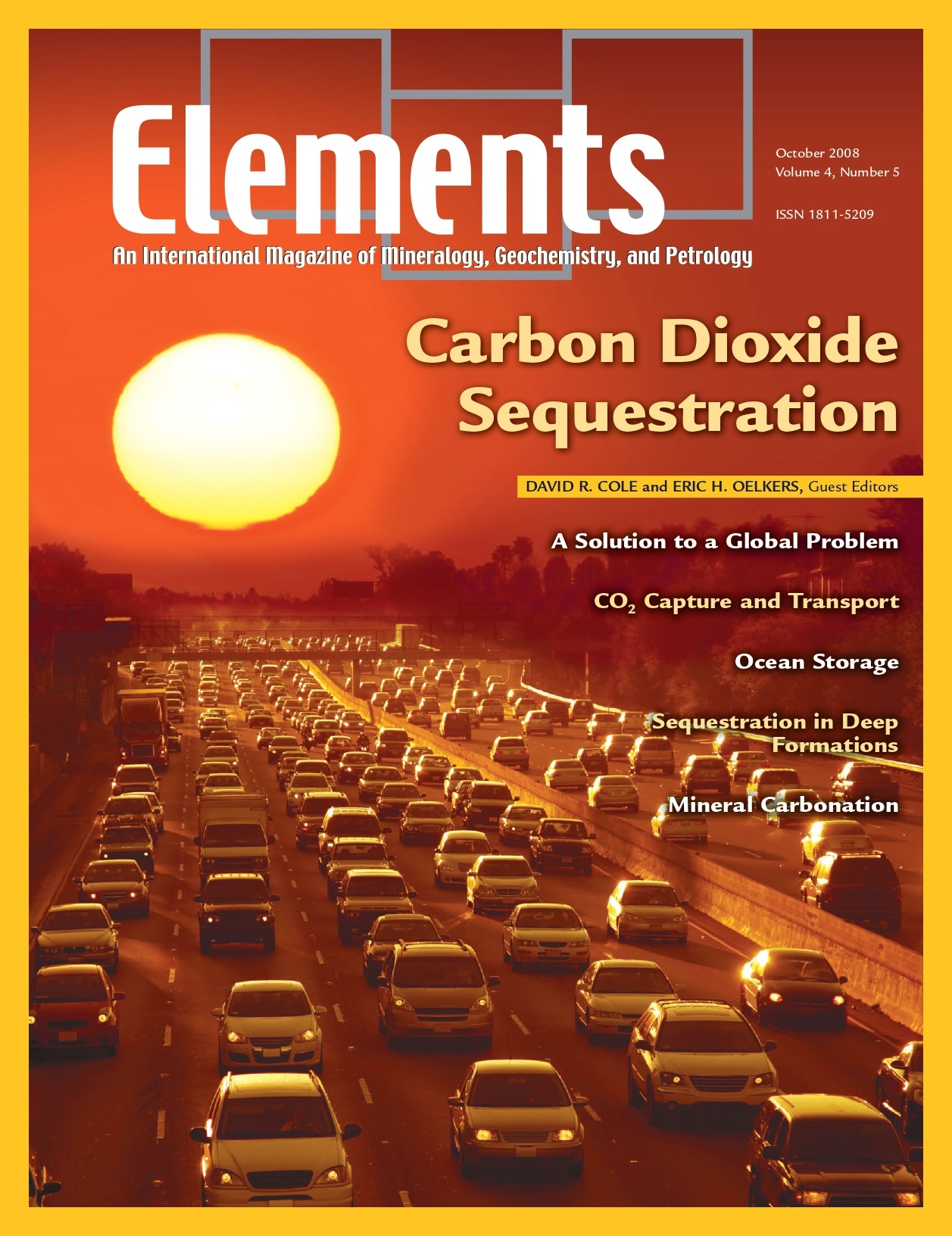
Carbon Dioxide Sequestration, October 2008, Vol. 4, No. 5
$20.00Storage of carbon in the subsurface involves introduction of supercritical CO2 into rock formations beneath the surface of the Earth, typically at depths of 1000 to 4000 meters. Although CO2 is a relatively benign substance, the volume being considered is large.
-
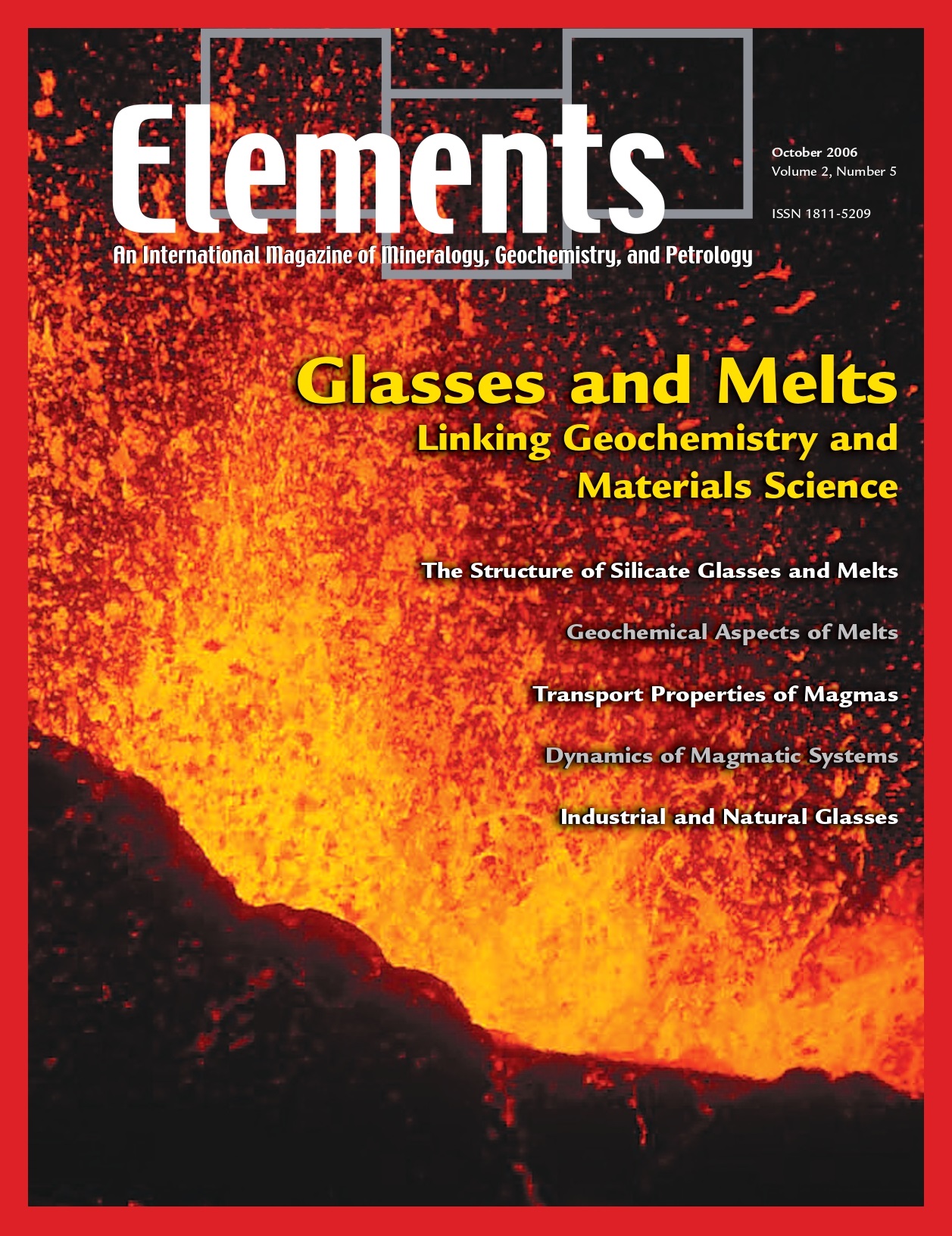
Glasses And Melts: Linking Geochemistry And Materials Science, October 2006, Vol. 2, No. 5
$20.00Geological interest in studying melts stems from early recognition that melts play a fundamental role in determining the physical and chemical behaviour of magmas and magmatic processes. However, due to the inherent difficulties associated with working at high temperatures, much of the geological research over the last 30 years has used quenched melts or glasses as proxies for melts themselves.
-
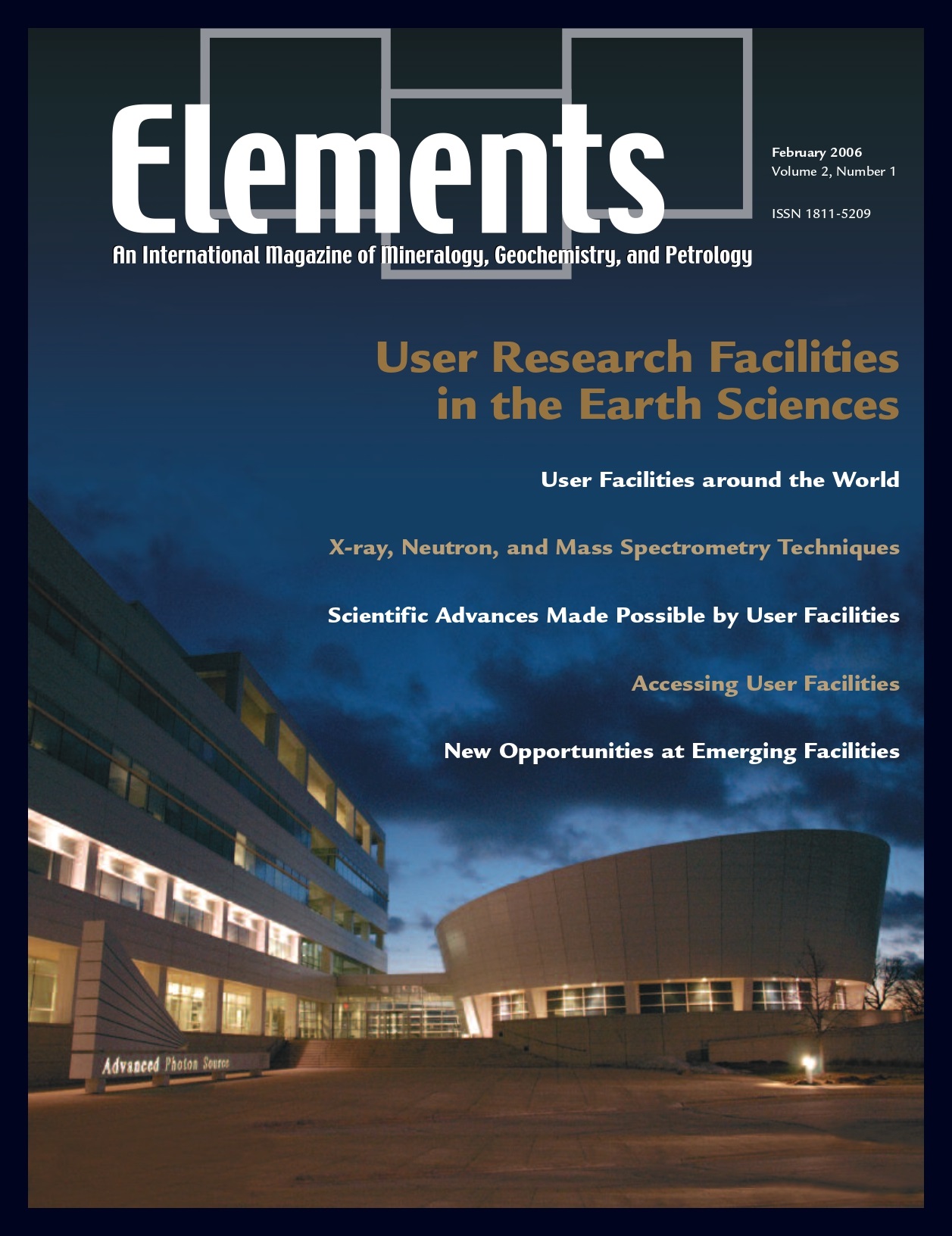
User Research Facilities In The Earth Sciences, February 2006, Vol. 2, No. 1
$20.00Earth scientists rely on effective access to user research facilities that provide state-of-the-art analytical instrumentation. This thematic issue focuses on some of these facilities and how to use them.