-
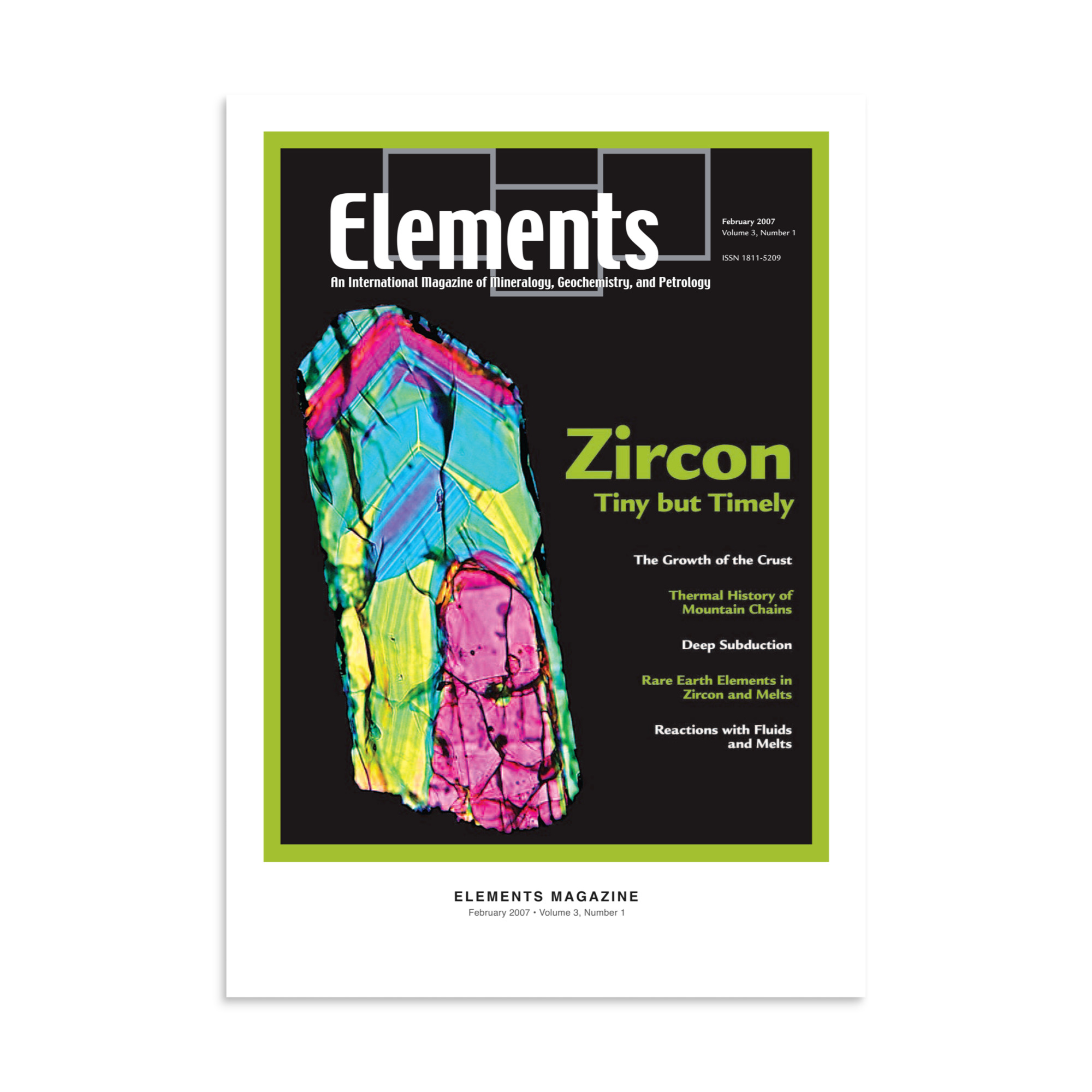
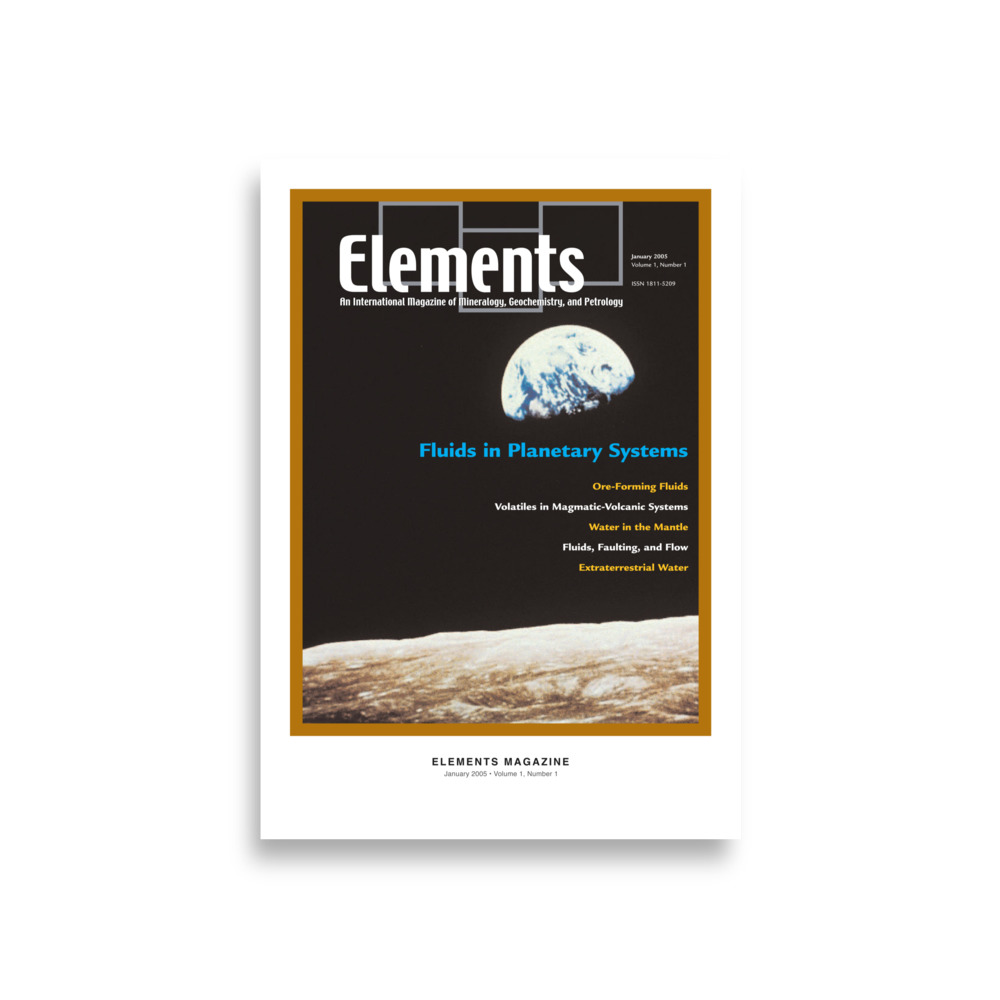
e1_3 Poster
Price range: $19.99 through $29.99Museum-quality posters made on thick matte paper. Add a wonderful accent to your room and office with these posters that are sure to brighten any environment. […]
Clear11.69×16.54A1 (23.3×33.1)A2 (16.5×23.3) -
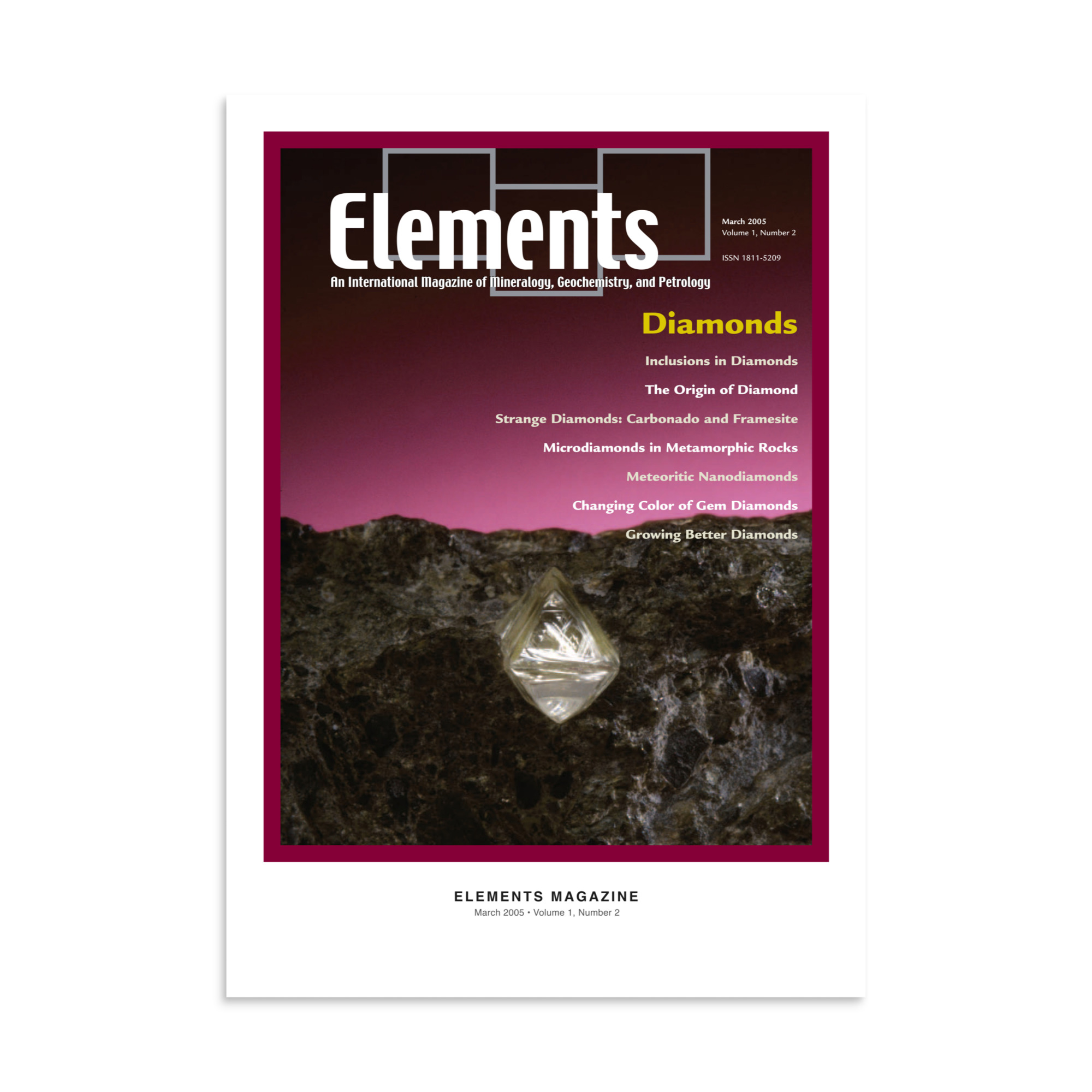
Elements Scientific Magazine: “Diamonds” Cover Art Print
Price range: $19.50 through $29.50Celebrate the raw wonders of Earth science with this striking high-detail wall art featuring the iconic March 2005 cover of “Elements: An International Magazine of Mineralogy, […]
ClearA1 (23.3×33.1)A2 (16.5×23.3)A3 (11.69×16.54) -
Elements Scientific Magazine: “Diamonds” Cover Art Print
Price range: $18.50 through $29.00Celebrate the raw wonders of Earth science with this striking high-detail wall art featuring the iconic March 2005 cover of “Elements: An International Magazine of Mineralogy, […]
ClearA1 (23.3×33.1)A2 (16.5×23.3)A3 (11.69×16.54) -
Elements Logo Embroidered Beanie
$19.50Whether you’re out mapping in the field, working in the lab, or heading across campus, stay warm with the official Elements Embroidered Cuffed Beanie. Designed for […]
-
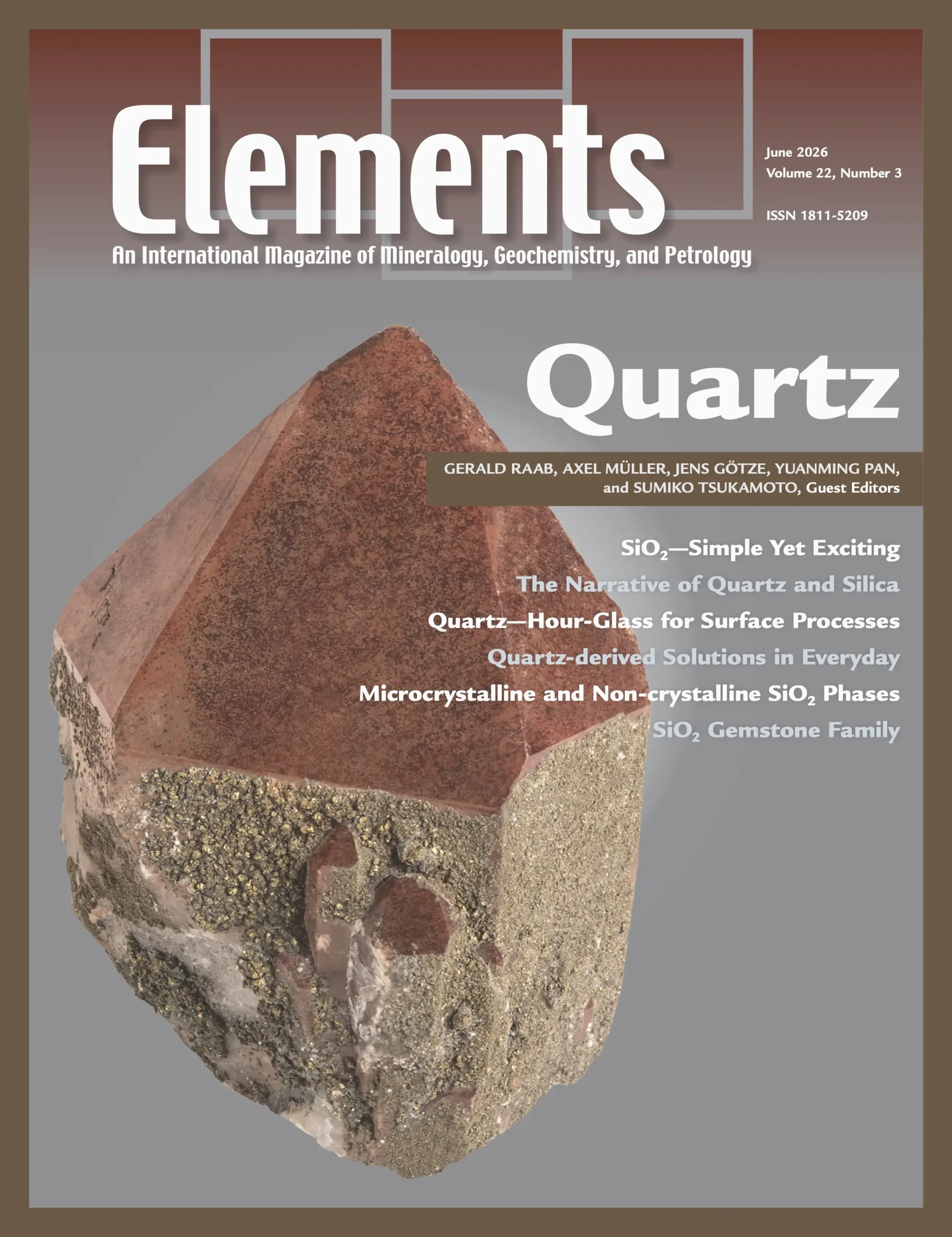
Quartz, June 2026, Vol. 22, No. 3
$20.00Discover the fascinating world of quartz—the most abundant and versatile silica mineral on Earth. From its essential role in geological processes to its importance in cutting-edge technologies such as semiconductors, photovoltaics, satellites, and precision optics, this issue of Elements explores why quartz is one of the planet’s most significant minerals. Learn how quartz records Earth’s geological history while driving innovations that power modern society.
-
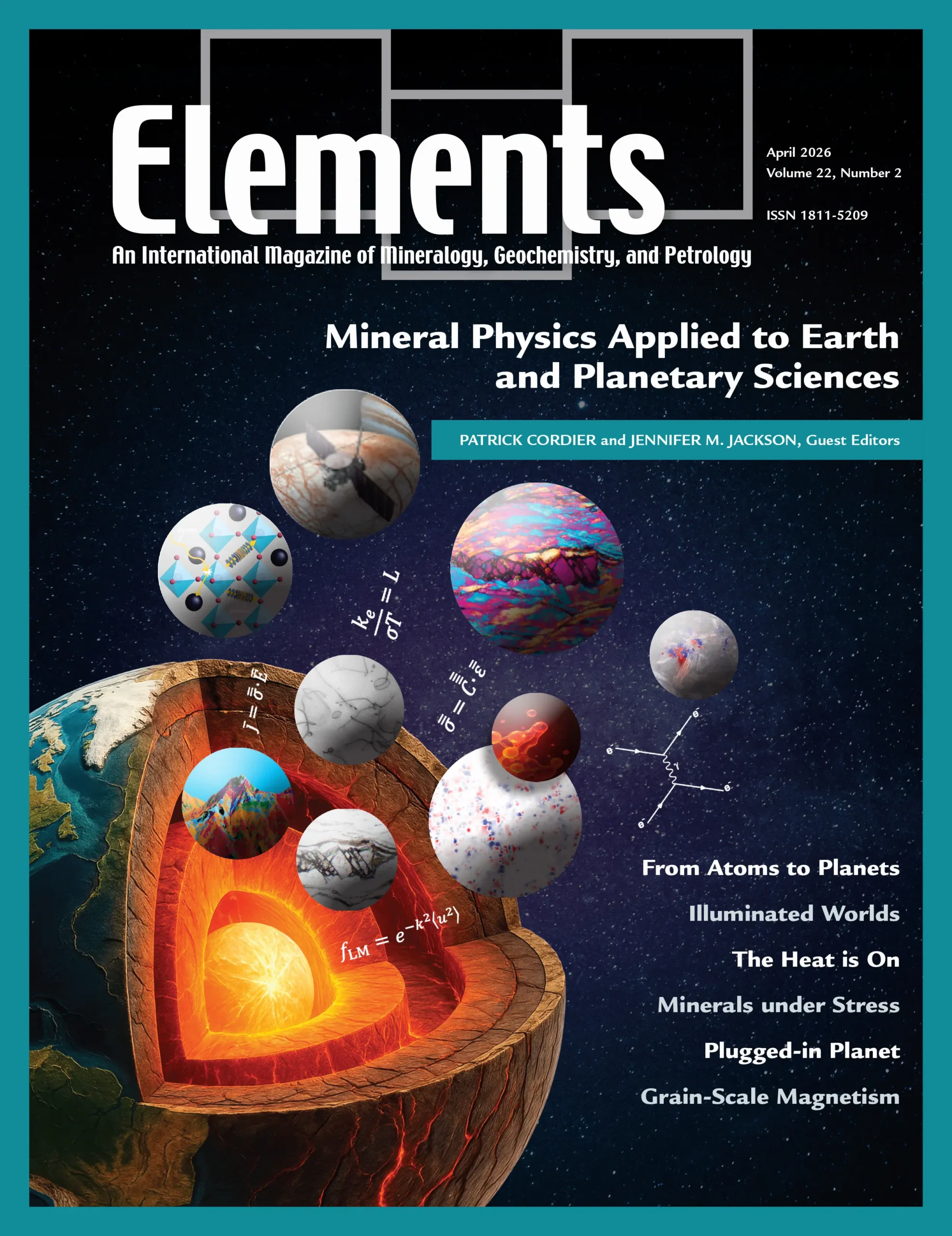
Mineral Physics Applied to Earth and Planetary Sciences, April 2026, Vol. 22, No. 2
$20.00Understanding the physical and transport properties of minerals is fundamental to decoding the processes that shape Earth and other planetary bodies. Building on the early insights of Haüy, who first recognized the relationship between crystal structure and macroscopic behavior, modern mineral physics now uses advanced spectroscopic, thermal, mechanical, electrical, and magnetic techniques to study materials across all scales—from atomic structures to entire planetary interiors.
-
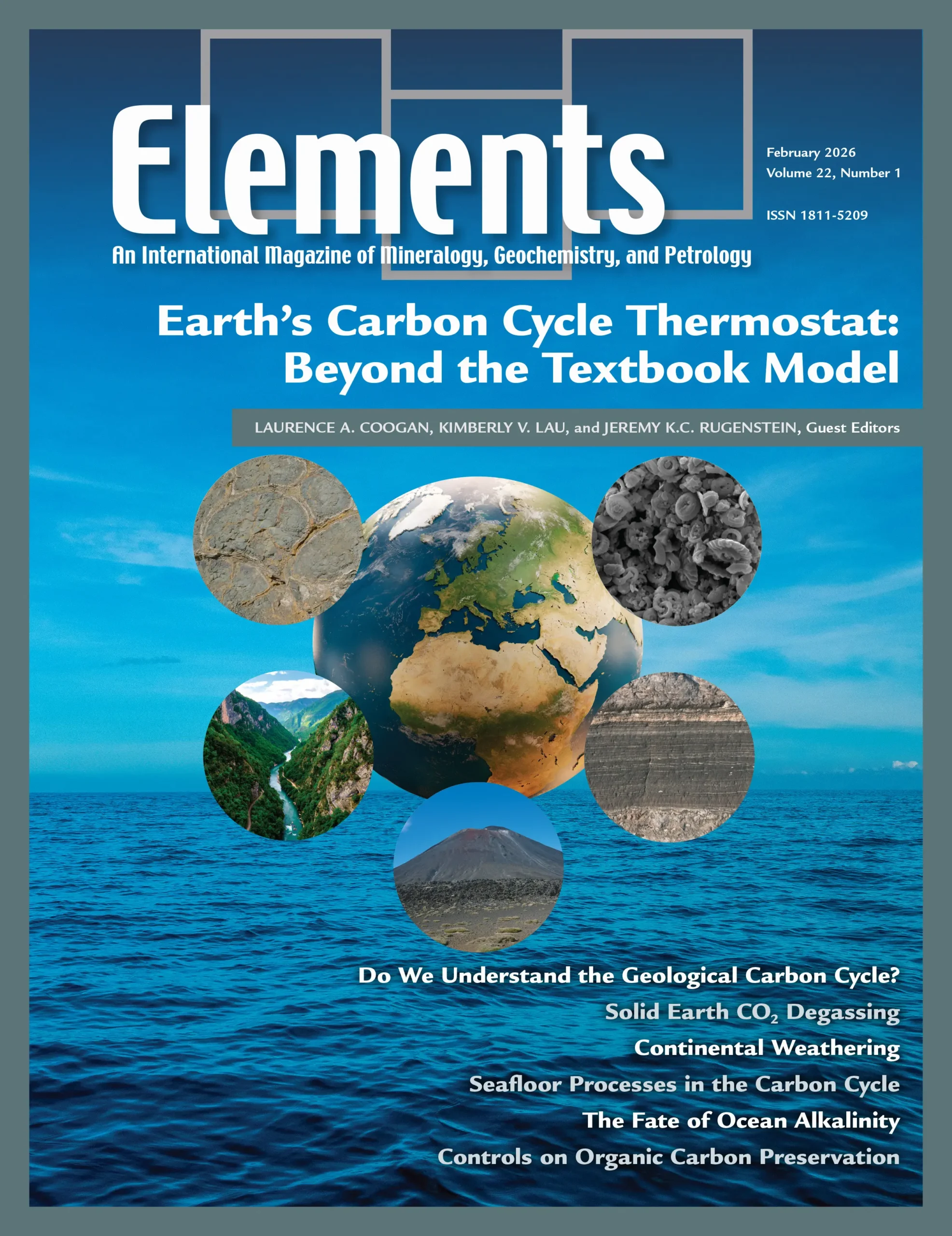
Earth’s Carbon Cycle Thermostat: Beyond the Textbook Model, February 2026, Vol. 22, No. 1
$20.00Earth’s geological carbon cycle plays a vital role in maintaining the planet’s climate and supporting life. Often described as a natural “thermostat,” this complex system helps regulate atmospheric carbon dioxide levels and prevents extreme global temperature fluctuations over geological timescales. Traditional models explain this balance through interactions between volcanic degassing, atmospheric CO2, continental silicate weathering, and carbonate mineral formation.
-
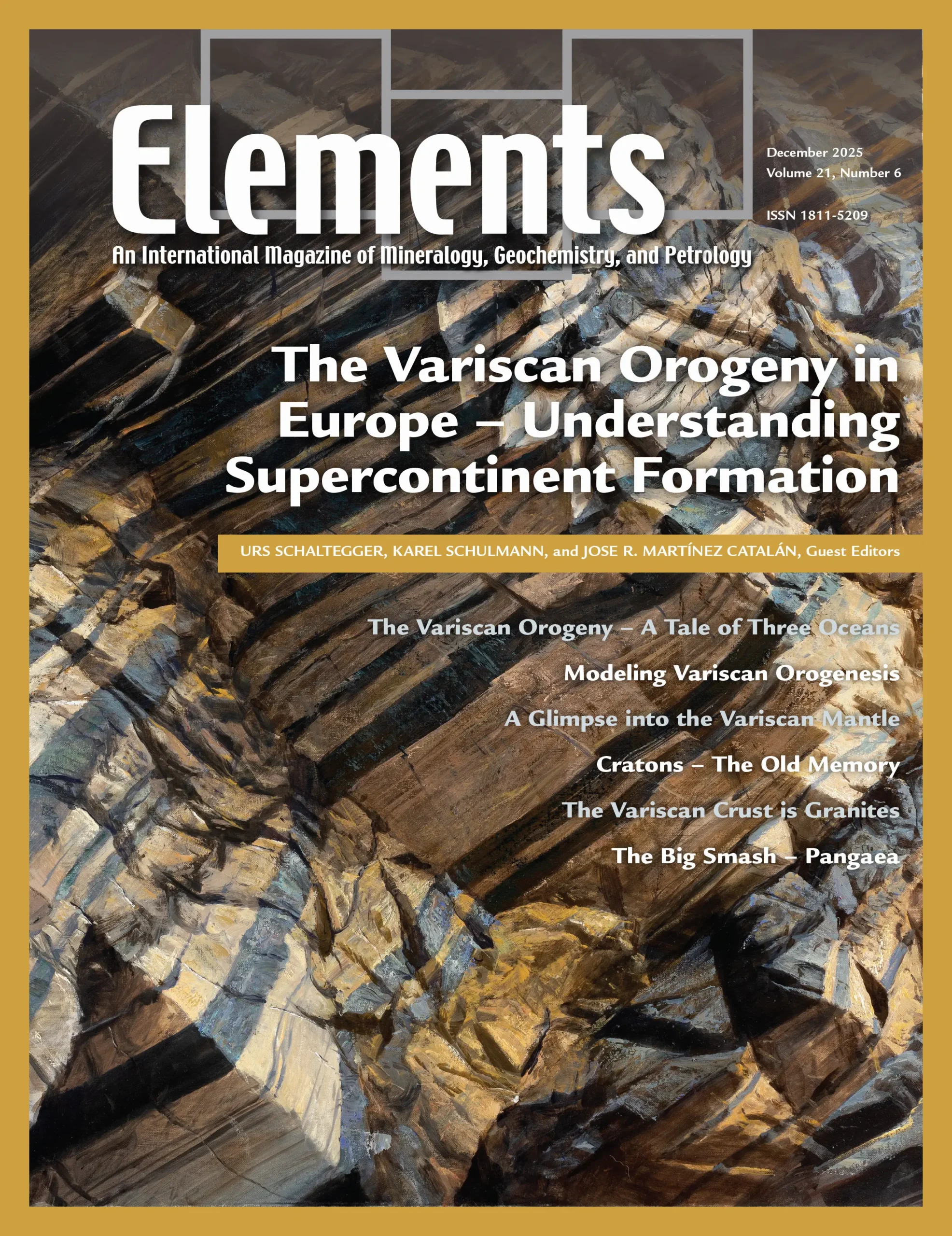
The Variscan Orogeny in Europe – Understanding Supercontinent Formation, December 2025, Vol. 21, No. 6
$20.00The Variscan orogeny was one of the most significant mountain-building events in Earth’s geological history, occurring between 380 and 300 million years ago during the assembly of the Pangea supercontinent. Through multiple cycles of continental collision, ocean basin opening and closure, and the accretion of Gondwana-derived continental fragments onto the Laurussia margin, the Variscan belt became a defining feature of ancient Europe’s tectonic evolution.
-
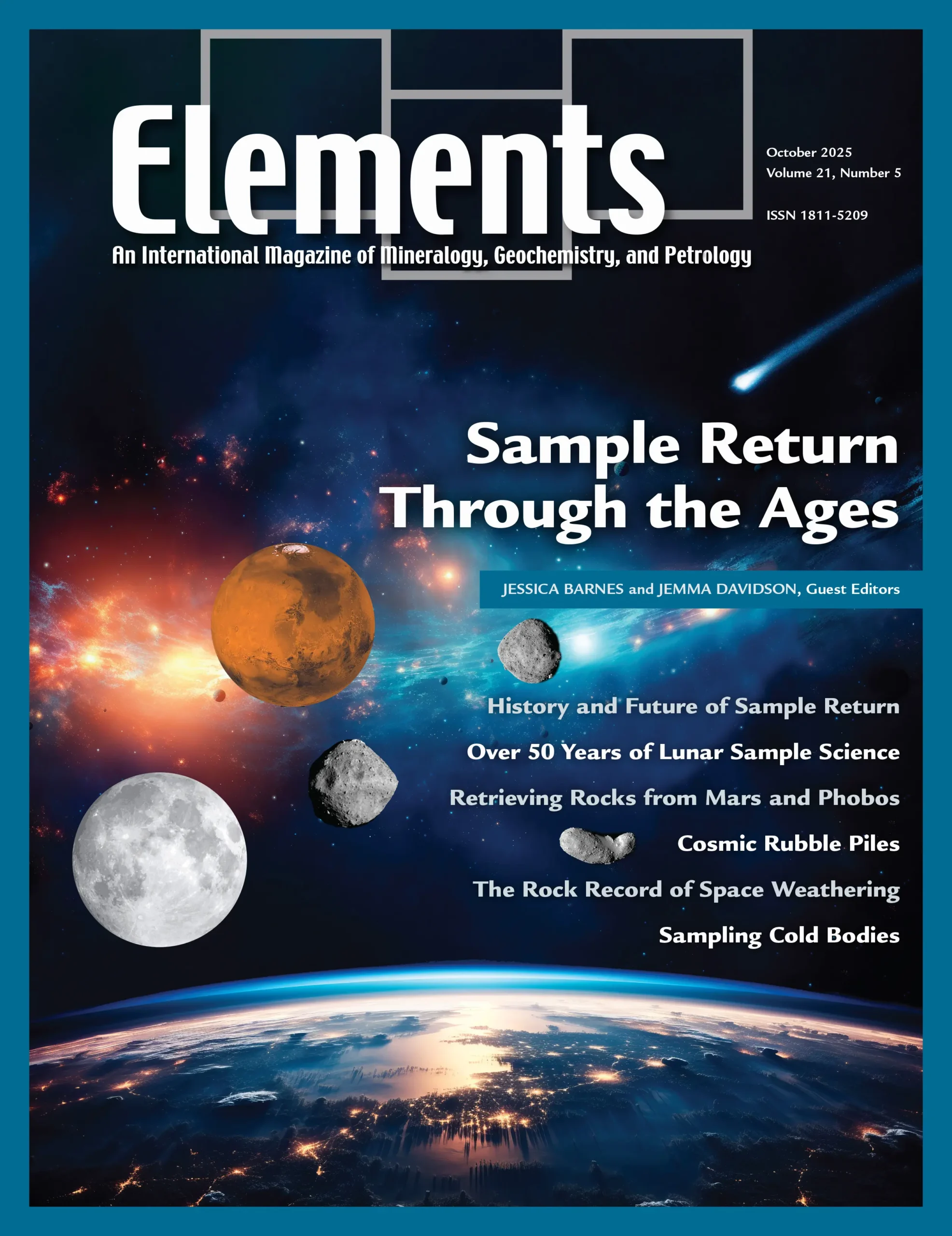
Sample Return Through the Ages, October 2025, Vol. 21, No. 5
$20.00This exciting issue of Elements explores the extraordinary scientific discoveries made possible through sample return missions from across our solar system. By studying extraterrestrial materials collected by both crewed and robotic missions, scientists have gained unprecedented insights into the mineralogy, petrology, and geochemistry of planetary bodies ranging from the Sun and Moon to asteroids, comets, and Mars.
-
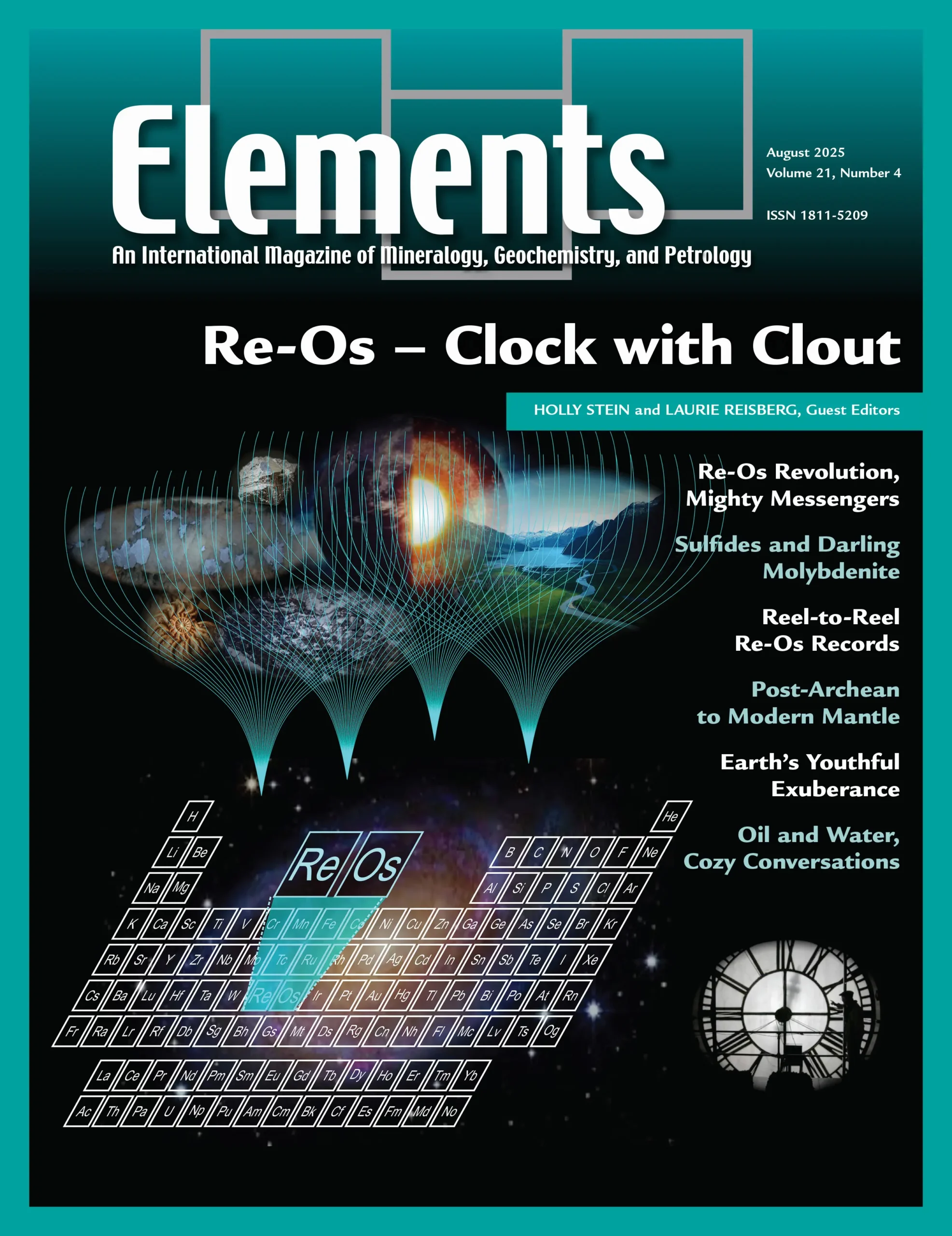
Re-Os – Clock with Clout, August 2025, Vol. 21, No. 4
$20.00The Re-Os isotope system is one of the most powerful tools in modern geochemistry, despite involving two of the rarest elements found within Earth’s silicate mantle. Known for their unique siderophile, chalcophile, and organophile behavior, rhenium (Re) and osmium (Os) provide scientists with exceptional capabilities for radiometric dating and geochemical source tracing. This remarkable isotope system helps researchers answer geological questions that cannot be resolved using other radiometric methods.
-
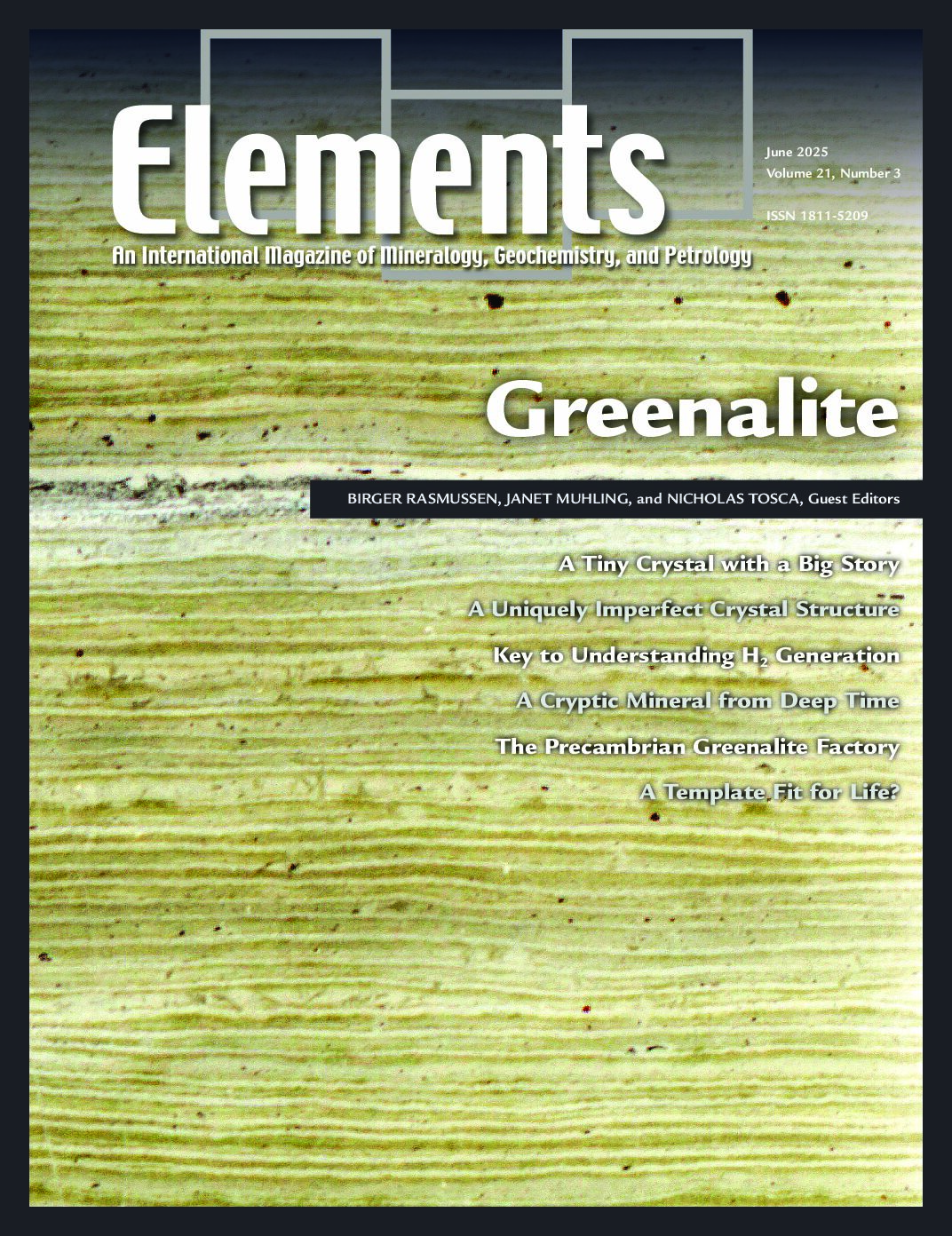
Greenalite – A Tiny Crystal with a Big Story , June 2025, Vol. 21, No. 3
$20.00Greenalite [Fe3Si2O5(OH)4] is an iron-rich Fe(II)-serpentine mineral first identified in the Lake Superior iron formations more than a century ago. Today, with the help of advanced in-situ nanoscale imaging techniques, scientists are uncovering the true significance of this microscopic mineral in shaping Earth’s geological history. Recent research highlights nanoparticulate greenalite as a key contributor to the formation of early Precambrian banded iron formations (BIFs), offering new insights into the chemistry of ancient oceans and the evolution of the planet’s early atmosphere.
-
Unisex organic mid-light t-shirt
Price range: $19.50 through $21.00Soft. Sustainable. Scientifically stylish.
Show your love for Elements with this eco-friendly tee made from 100% organic cotton. Perfect for geology fans who care about the planet—and good design.2XLLMSXLClear