Earth’s Carbon Cycle Thermostat: Beyond the Textbook Model, February 2026, Vol. 22, No. 1
May 11, 2026
Quartz, June 2026, Vol. 22, No. 3
July 8, 2026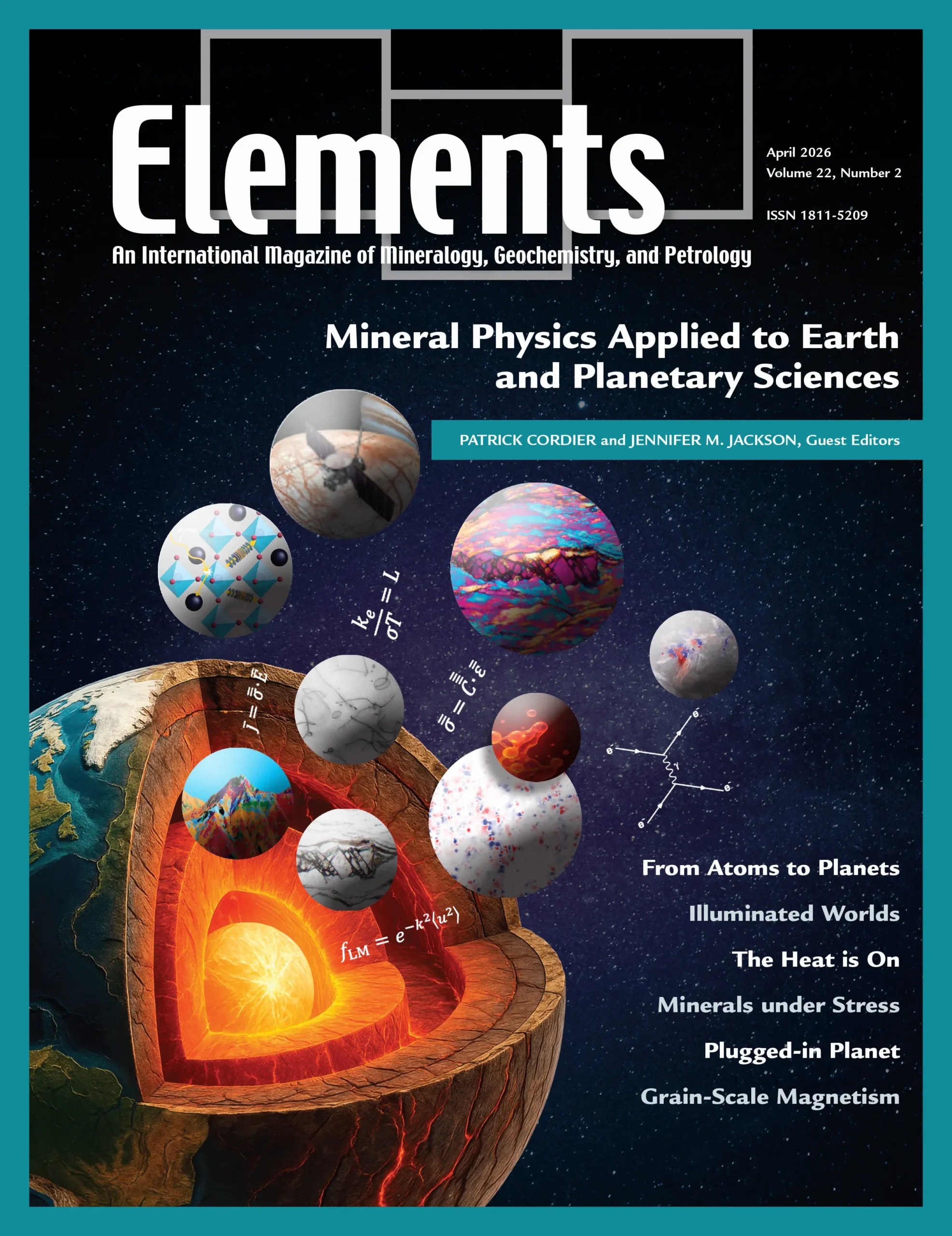
Mineral Physics Applied to Earth and Planetary Sciences, April 2026, Vol. 22, No. 2
$20.00
Understanding the physical and transport properties of minerals is fundamental to decoding the processes that shape Earth and other planetary bodies. Building on the early insights of Haüy, who first recognized the relationship between crystal structure and macroscopic behavior, modern mineral physics now uses advanced spectroscopic, thermal, mechanical, electrical, and magnetic techniques to study materials across all scales—from atomic structures to entire planetary interiors.
Mineral Physics Applied to Earth and Planetary Sciences
April 2026, Vol. 22, No. 2
Understanding the physical and transport properties of minerals is fundamental to decoding the processes that shape Earth and other planetary bodies. Building on the early insights of Haüy, who first recognized the relationship between crystal structure and macroscopic behavior, modern mineral physics now uses advanced spectroscopic, thermal, mechanical, electrical, and magnetic techniques to study materials across all scales—from atomic structures to entire planetary interiors.
This issue of Elements explores how minerals respond to external physical fields and how these responses preserve information about their formation, evolution, and the dynamic processes that continue to operate within planetary interiors. By integrating key concepts in mineral physics with recent technological advances, researchers are uncovering new ways to interpret geophysical data and understand the evolution of Earth and other planets.
Why You’ll Love Mineral Physics Applied to Earth and Planetary Sciences:
- Planetary Interior Insights: Discover how mineral properties reveal the structure and dynamics of Earth and other planetary bodies.
- Advanced Analytical Techniques: Explore cutting-edge spectroscopic and physical methods used to study minerals at multiple scales.
- Understanding Planetary Evolution: Learn how mineral responses to external fields preserve clues about the history and ongoing processes of planetary formation.
Expand your understanding of planetary science and explore how mineral physics continues to transform our knowledge of Earth’s interior and the evolution of the solar system.
Related products
-
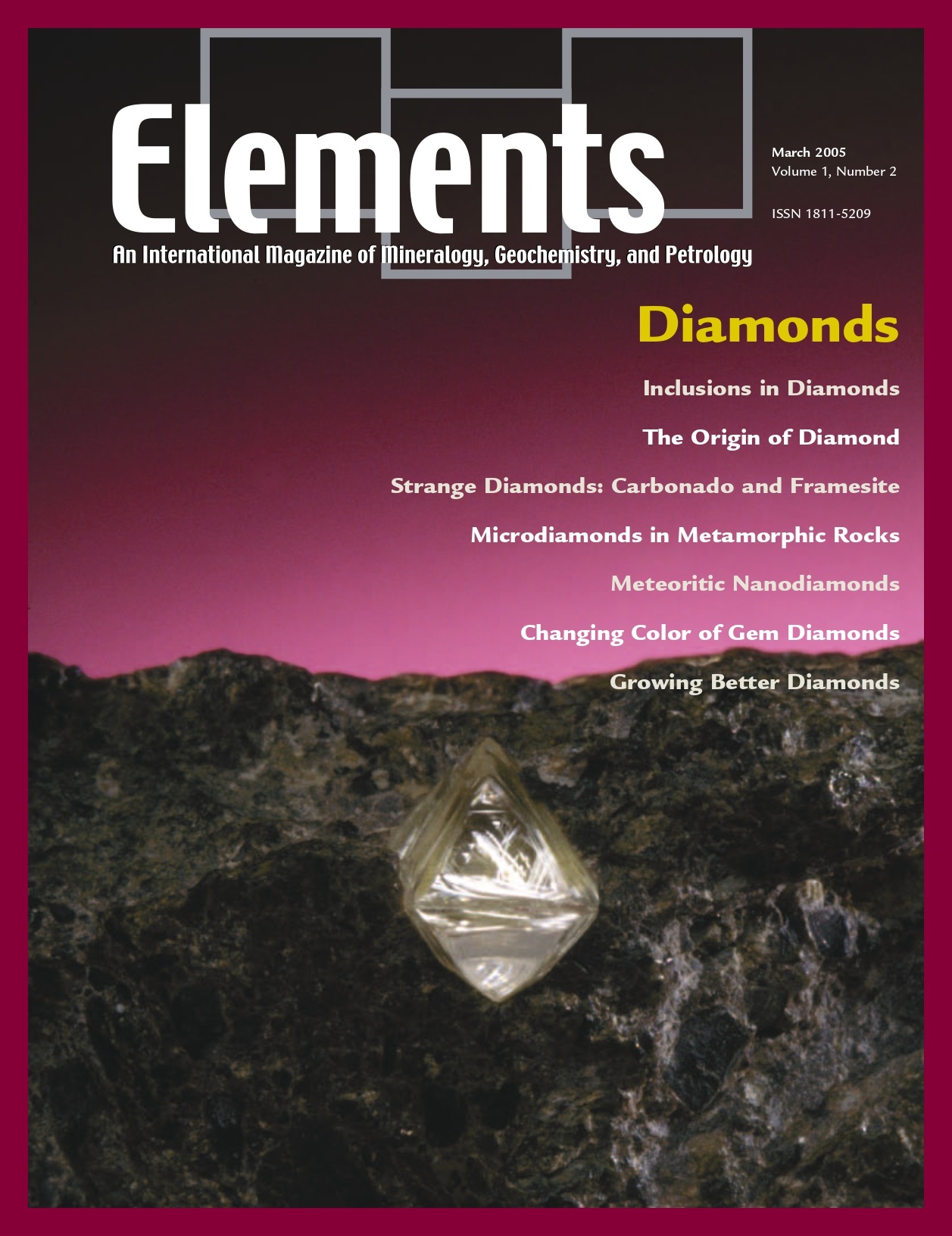
Diamonds, March 2005, Vol. 1, No. 2
$20.00Diamond, the fascinating ultrahard mineral, is the focus of considerable interest and scientific research. Recent advances particularly relevant to geoscientists include: diamond as a recorder of Earth processes from the perspective of inclusions, chemistry, and conditions of formation; synthesis for research applications and processing to modify color and physical properties, important to diamond gems and anvils; the implications of nanodiamonds from meteorites.
-
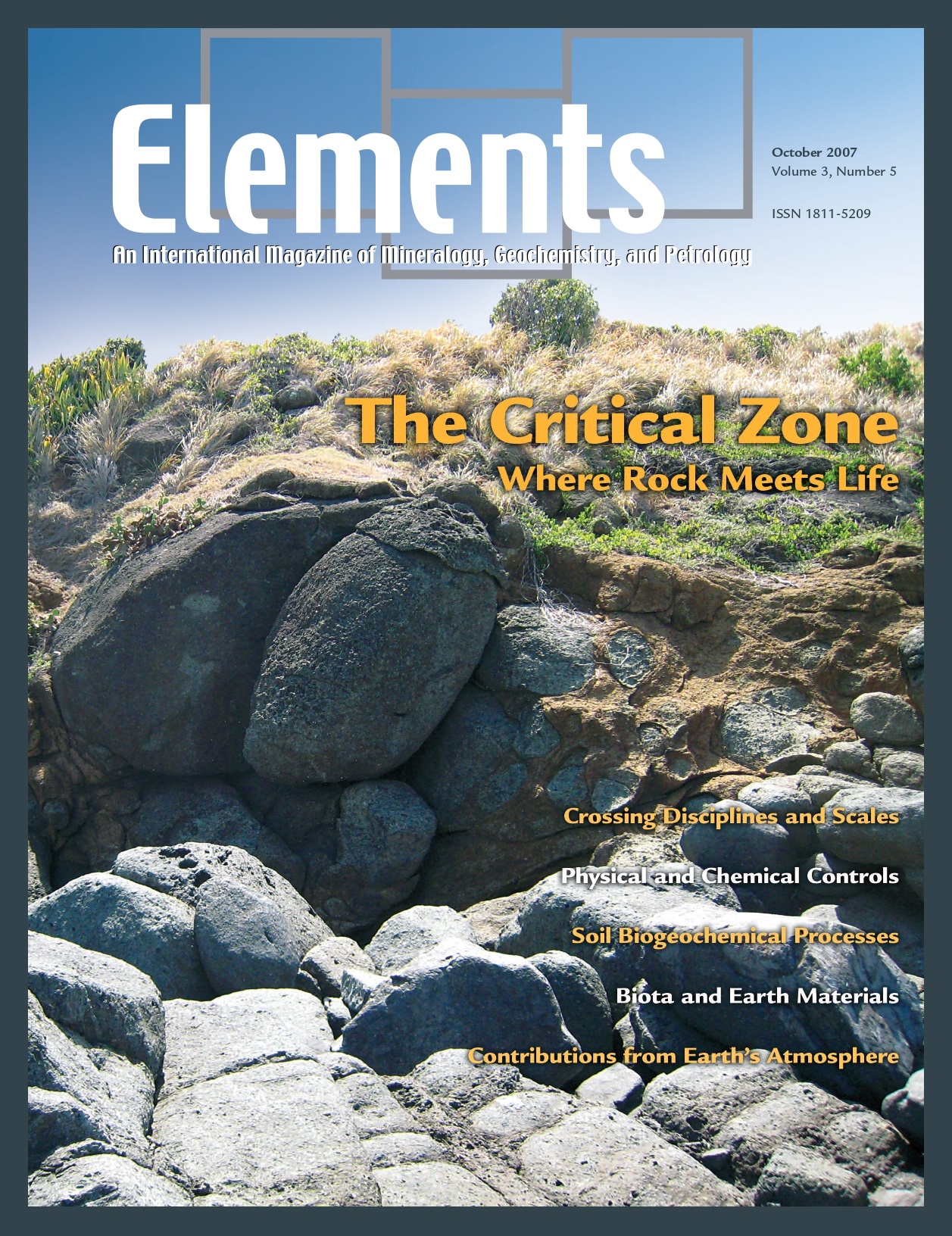
The Critical Zone, October 2007, Vol. 3, No. 5
$20.00The Critical Zone (CZ) encompasses all fluid, mineral, gaseous, and biotic components from the outer envelope of vegetation down to the lower limit of groundwater. It supports much of life on Earth.
-
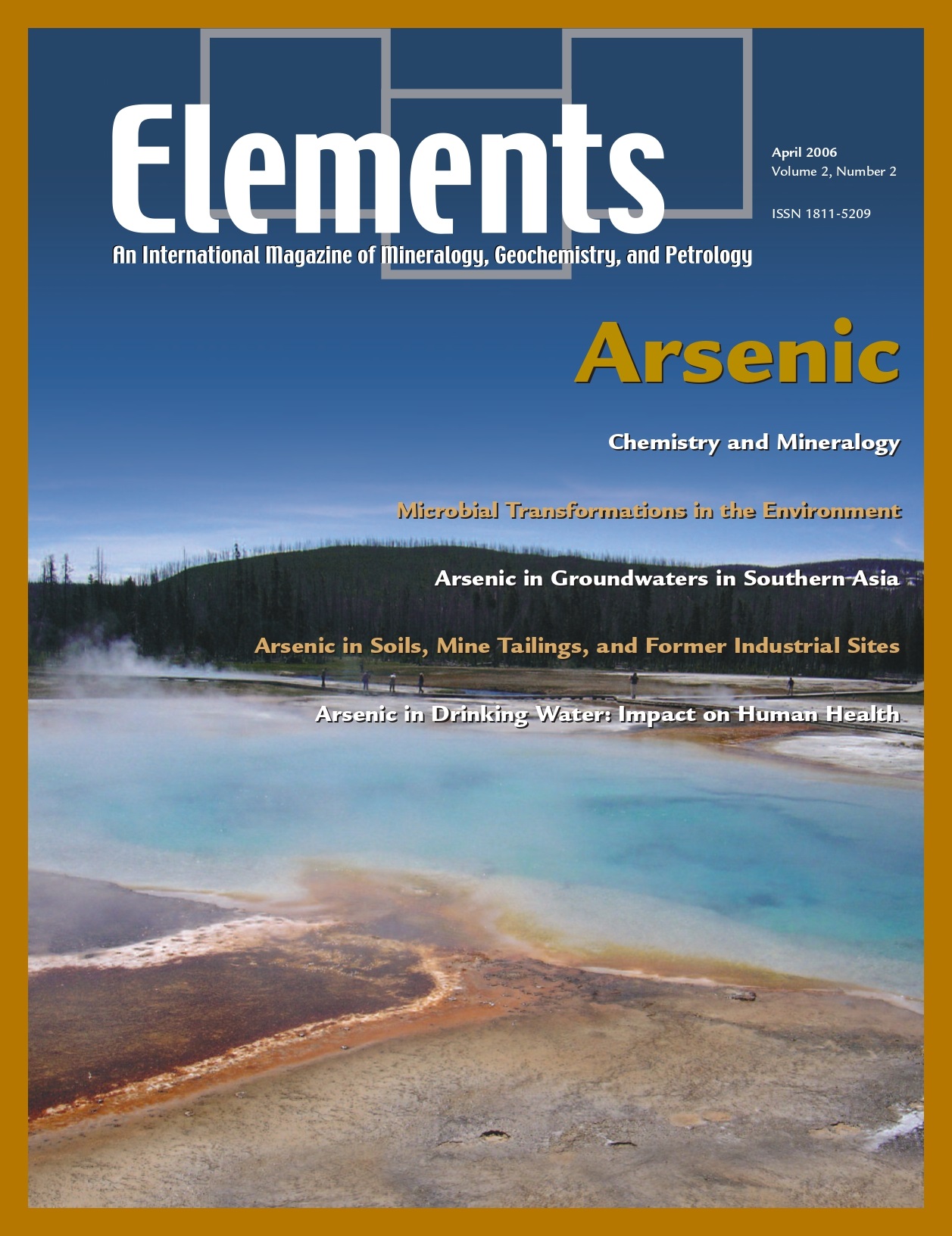
Arsenic, April 2006, Vol. 2, No. 2
$20.00Arsenic is an element known throughout history as a classic poison. Currently, very small but highly significant concentrations of this element in drinking water supplies are causing massive health problems to many millions of people in some of the world’s poorest nations, and more localised sources related to mining and processing are also a concern.