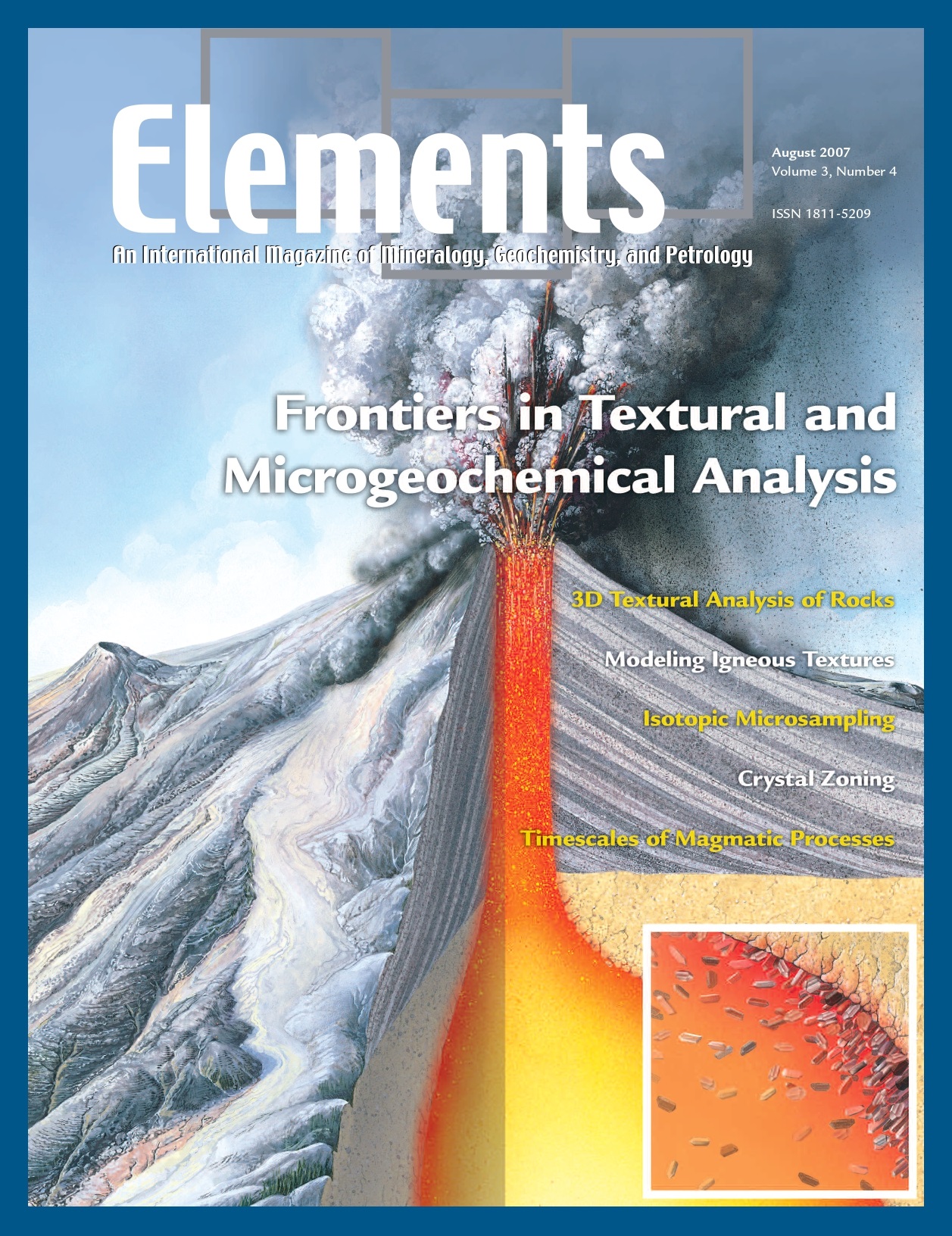
Sample Return Through the Ages, October 2025, Vol. 21, No. 5
May 11, 2026
Earth’s Carbon Cycle Thermostat: Beyond the Textbook Model, February 2026, Vol. 22, No. 1
May 11, 2026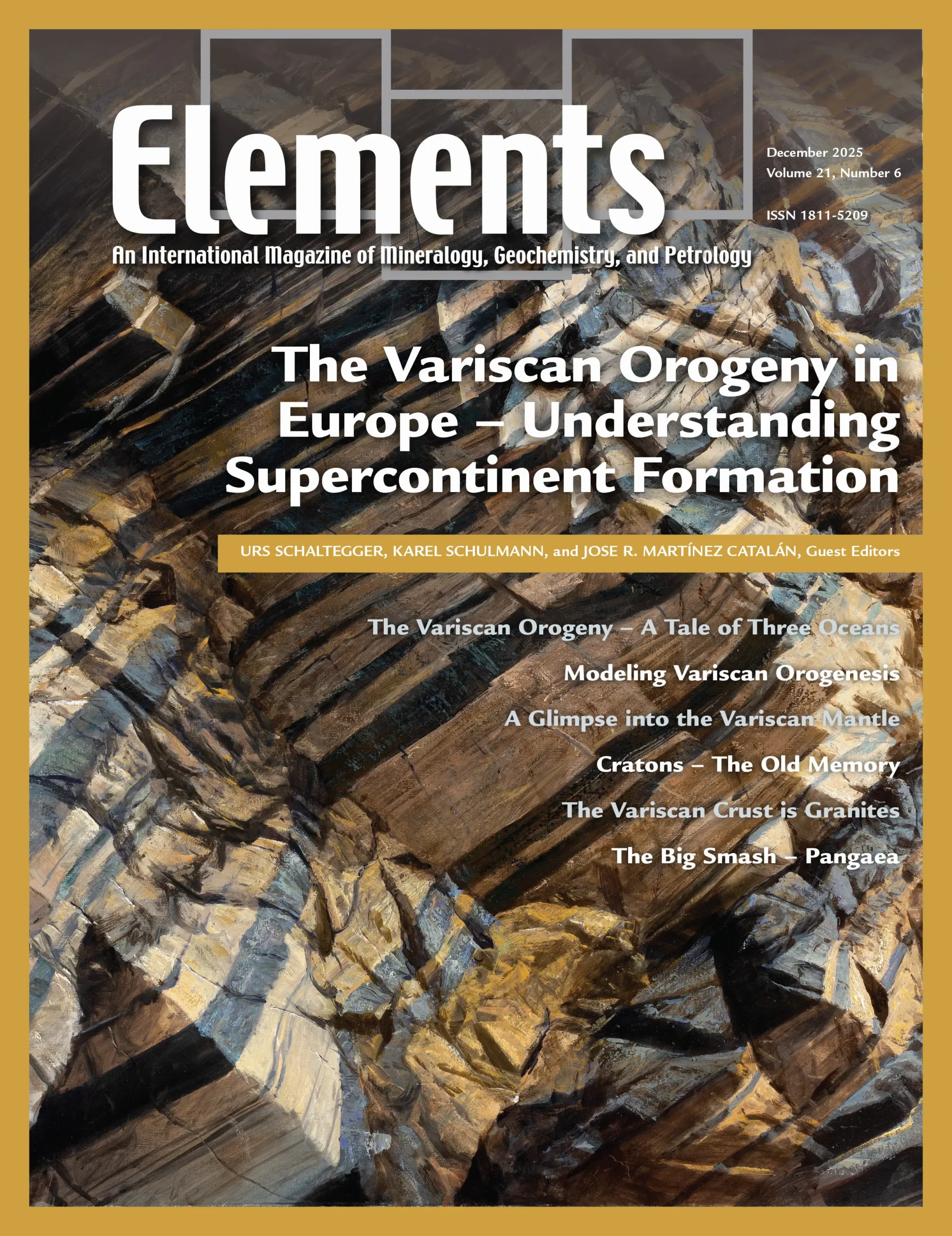
The Variscan Orogeny in Europe – Understanding Supercontinent Formation, December 2025, Vol. 21, No. 6
$20.00
The Variscan orogeny was one of the most significant mountain-building events in Earth’s geological history, occurring between 380 and 300 million years ago during the assembly of the Pangea supercontinent. Through multiple cycles of continental collision, ocean basin opening and closure, and the accretion of Gondwana-derived continental fragments onto the Laurussia margin, the Variscan belt became a defining feature of ancient Europe’s tectonic evolution.
The Variscan Orogeny in Europe – Understanding Supercontinent Formation
June 2025, Vol. 21, No. 6
The Variscan orogeny was one of the most significant mountain-building events in Earth’s geological history, occurring between 380 and 300 million years ago during the assembly of the Pangea supercontinent. Through multiple cycles of continental collision, ocean basin opening and closure, and the accretion of Gondwana-derived continental fragments onto the Laurussia margin, the Variscan belt became a defining feature of ancient Europe’s tectonic evolution.
Unlike many other orogenic systems, the Variscan orogen is distinguished by its unusually thick and predominantly magmatic crust, limited mantle involvement, and complex accretionary history marked by pulsed magmatism along major collision sutures. Because Pangea remains the youngest and best-preserved supercontinent on Earth, studying the Variscan orogeny provides valuable insights into the geological processes responsible for supercontinent formation and continental evolution.
Why You’ll Love The Variscan Orogeny in Europe – Understanding Supercontinent Formation:
- Supercontinent Formation Insights: Discover how the Variscan orogeny contributed to the assembly of the Pangea supercontinent.
- Advanced Tectonic Research: Explore the complex cycles of continental collision, ocean closure, and crustal growth that shaped ancient Europe.
- Unique Geological Features: Learn why the Variscan belt stands apart from other mountain-building systems through its magmatic crust and distinctive geodynamic processes.
Expand your understanding of Earth’s tectonic history and uncover how the Variscan orogeny reveals the mechanisms behind supercontinent assembly and planetary evolution.
Related products
-
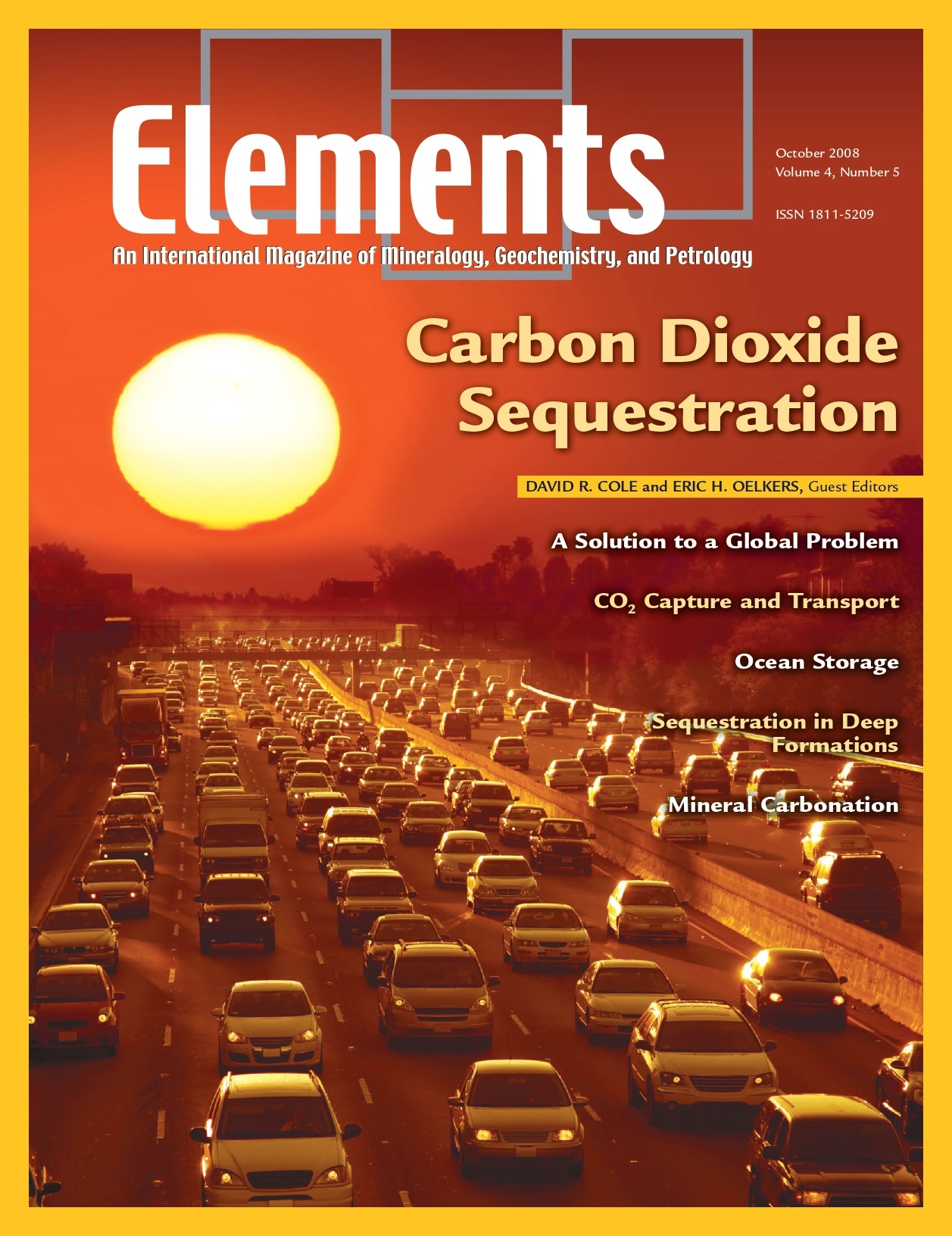
Frontiers In Textural And Microgeochemical Analysis, August 2007, Vol. 3, No. 4
$20.00Recent advances have been made in high-resolution in situ methods to image mineral growth patterns, analyse compositional and isotopic zonation, and improve our ability to visualize, study, and model rock textures in three dimensions. These advances provide a significant step forward in the understanding of how rocks form and the history they can tell us.
-
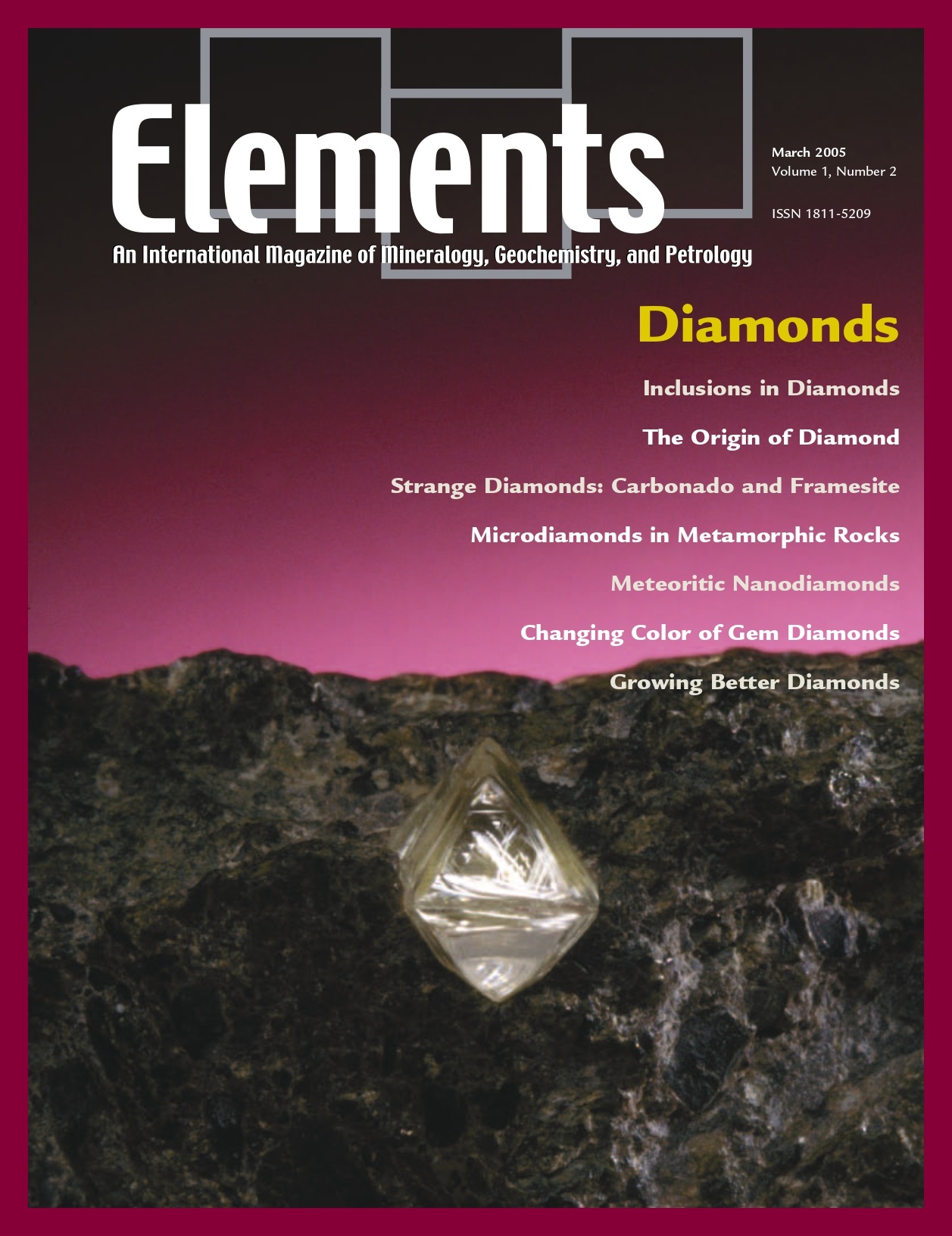
Carbon Dioxide Sequestration, October 2008, Vol. 4, No. 5
$20.00Storage of carbon in the subsurface involves introduction of supercritical CO2 into rock formations beneath the surface of the Earth, typically at depths of 1000 to 4000 meters. Although CO2 is a relatively benign substance, the volume being considered is large.
-
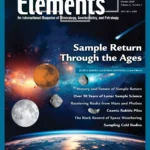
Diamonds, March 2005, Vol. 1, No. 2
$20.00Diamond, the fascinating ultrahard mineral, is the focus of considerable interest and scientific research. Recent advances particularly relevant to geoscientists include: diamond as a recorder of Earth processes from the perspective of inclusions, chemistry, and conditions of formation; synthesis for research applications and processing to modify color and physical properties, important to diamond gems and anvils; the implications of nanodiamonds from meteorites.