
Organic Biomarkers, April 2022, Vol. 18, No. 2
June 28, 2024
Cascadia Subduction Zone, August 2022, Vol. 18, No. 4
June 28, 2024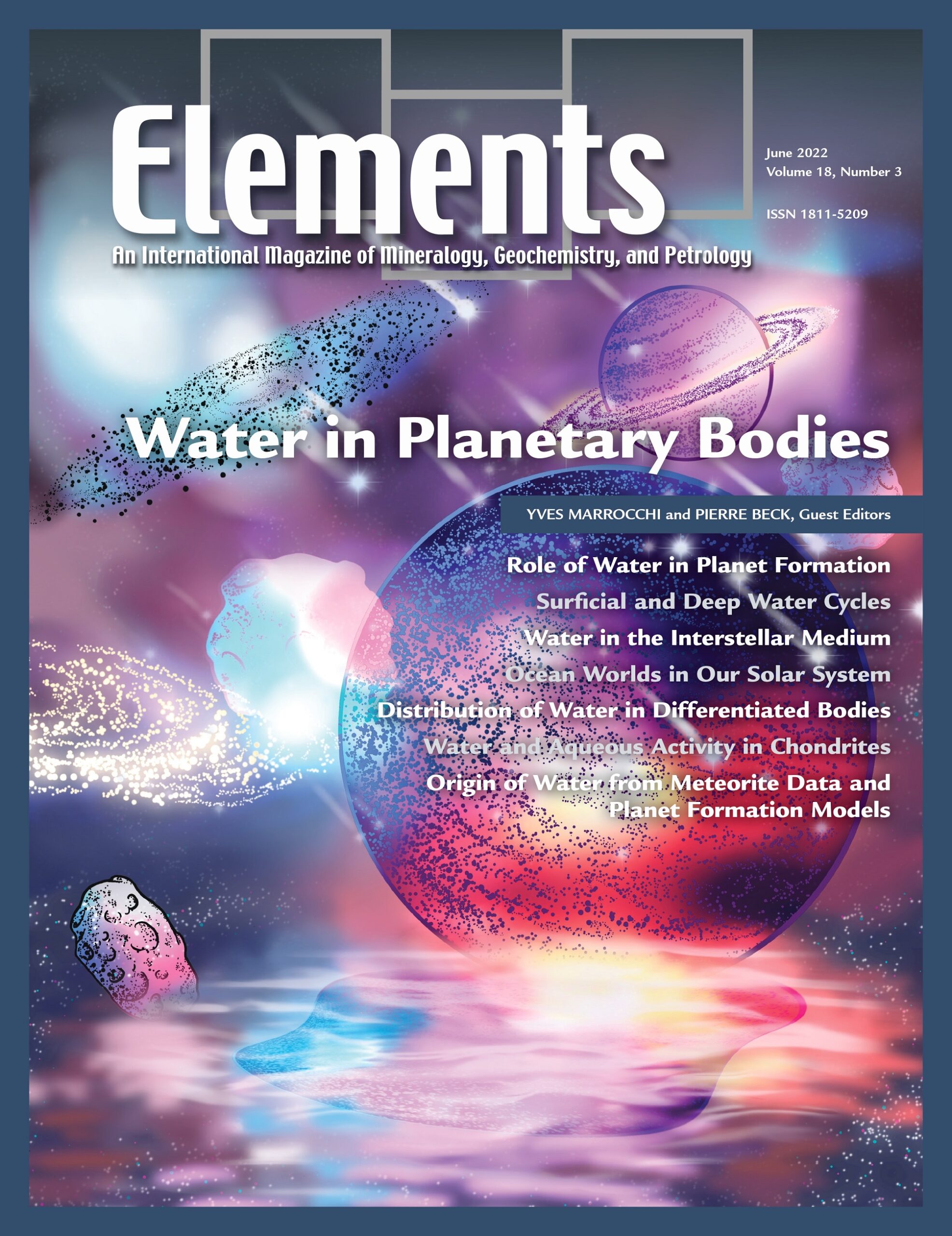
Water In Planetary Bodies, June 2022, Vol. 18, No. 3
$20.00
Despite being a simple molecule, water has played a key role in shaping the Solar System from the formation of early solids to the processes of planetary and moon formation. Through its astrophysical cycle, water has driven the evolution of protoplanetary disks, which, in turn, has affected the water budget of terrestrial planets and, therefore, their geological activities and habitability.
Water In Planetary Bodies
June 2022, Vol. 18, No. 3
Despite being a simple molecule, water has played a key role in shaping the Solar System from the formation of early solids to the processes of planetary and moon formation. Through its astrophysical cycle, water has driven the evolution of protoplanetary disks, which, in turn, has affected the water budget of terrestrial planets and, therefore, their geological activities and habitability. Understanding water’s role in diverse natural processes requires expertise in astrophysics, geophysics, and geochemistry. This issue of Elements will introduce the different environments and processes where water is of fundamental importance, as well as its past and present distribution within the Solar System and how this peculiar molecule affects astrophysical and geological processes.
Why You’ll Love Elements Magazine:
- Expert Contributors: Articles written by renowned researchers in the field of geoscience.
- Engaging Content: Join a community of readers who are passionate about Elements.
- Exceptional Quality: Each issue is printed on high-quality paper with stunning visuals and detailed illustrations that bring complex scientific concepts to life.
Order your copy of the June 2022 issue of Elements magazine today and explore water in planetary bodies.
Related products
-
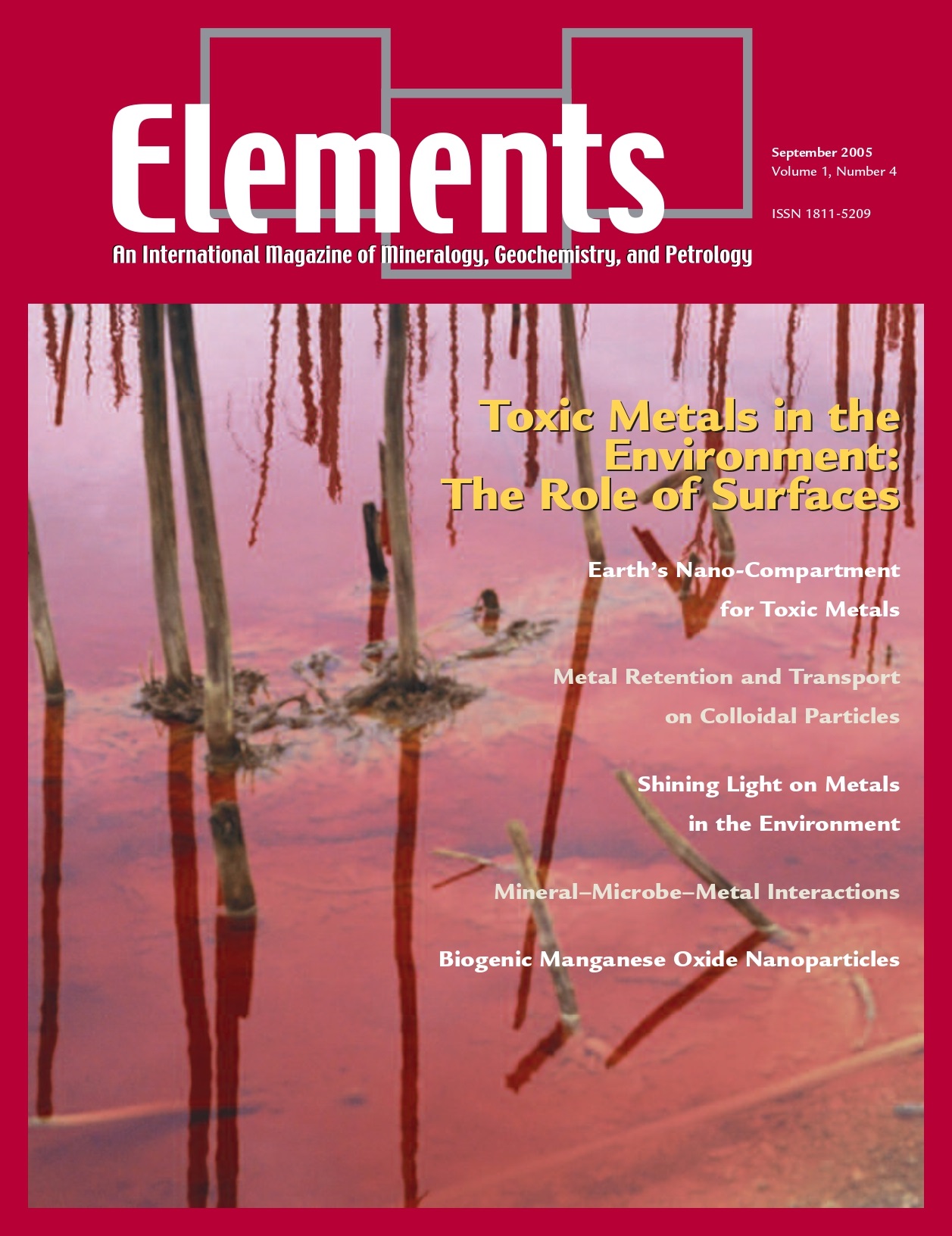
Toxic Metals In The Environment: The Role Of Surfaces, September 2005, Vol. 1, No. 4
$20.00Metals are prevalent in the environment. They are derived from both natural and anthropogenic sources.
-
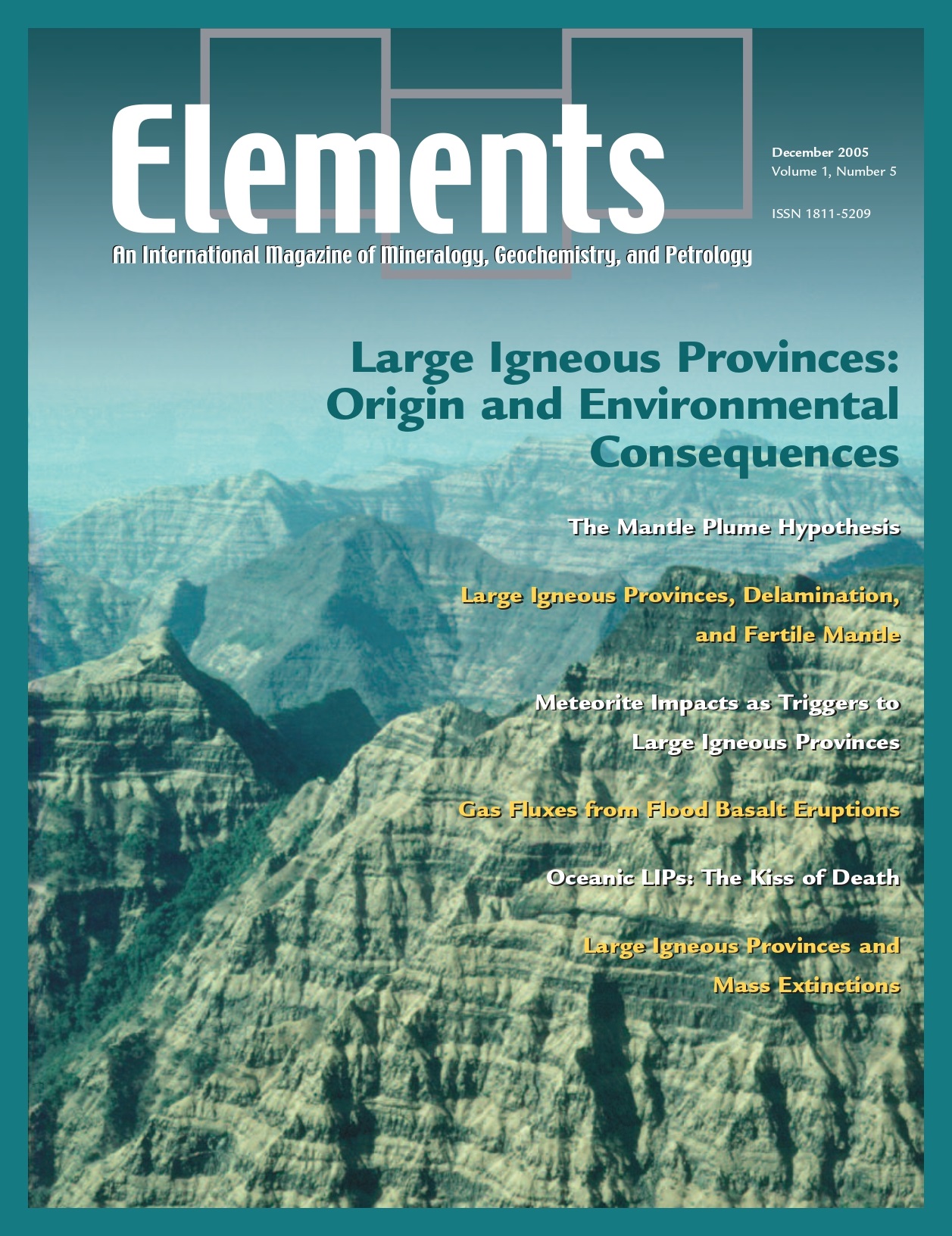
Large Igneous Provinces: Origin And Environmental Consequences, December 2005, Vol. 1, No. 5
$20.00Large igneous provinces record major outpourings of igneous rocks, both on the continents and in ocean basins. Their origin is still vigorously disputed, with models invoking mantle plumes, thermal effects of the lithosphere, and meteorite impacts.
-
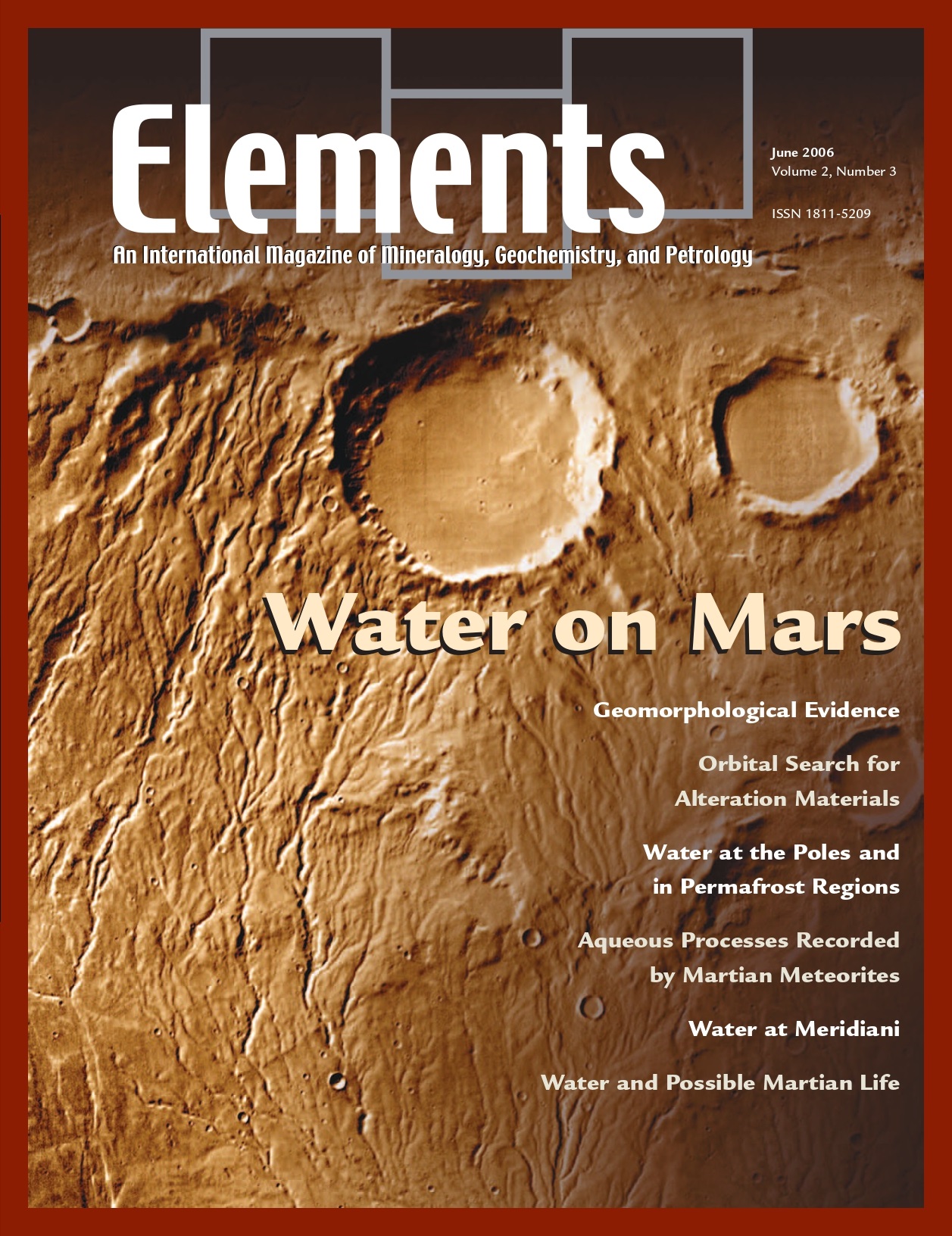
Water On Mars, June 2006, Vol. 2, No. 3
$20.00During the past several decades, spacecraft data have transformed the planets from astronomical objects into geologic worlds. Mars is the current focus of planetary exploration, and NASA’s objectives for this effort are based on the theme, “follow the water.