Scientific Exploration Of The Moon, February 2009, Vol. 5, No. 1
June 28, 2024
Gems, June 2009, Vol. 5, No. 3
June 28, 2024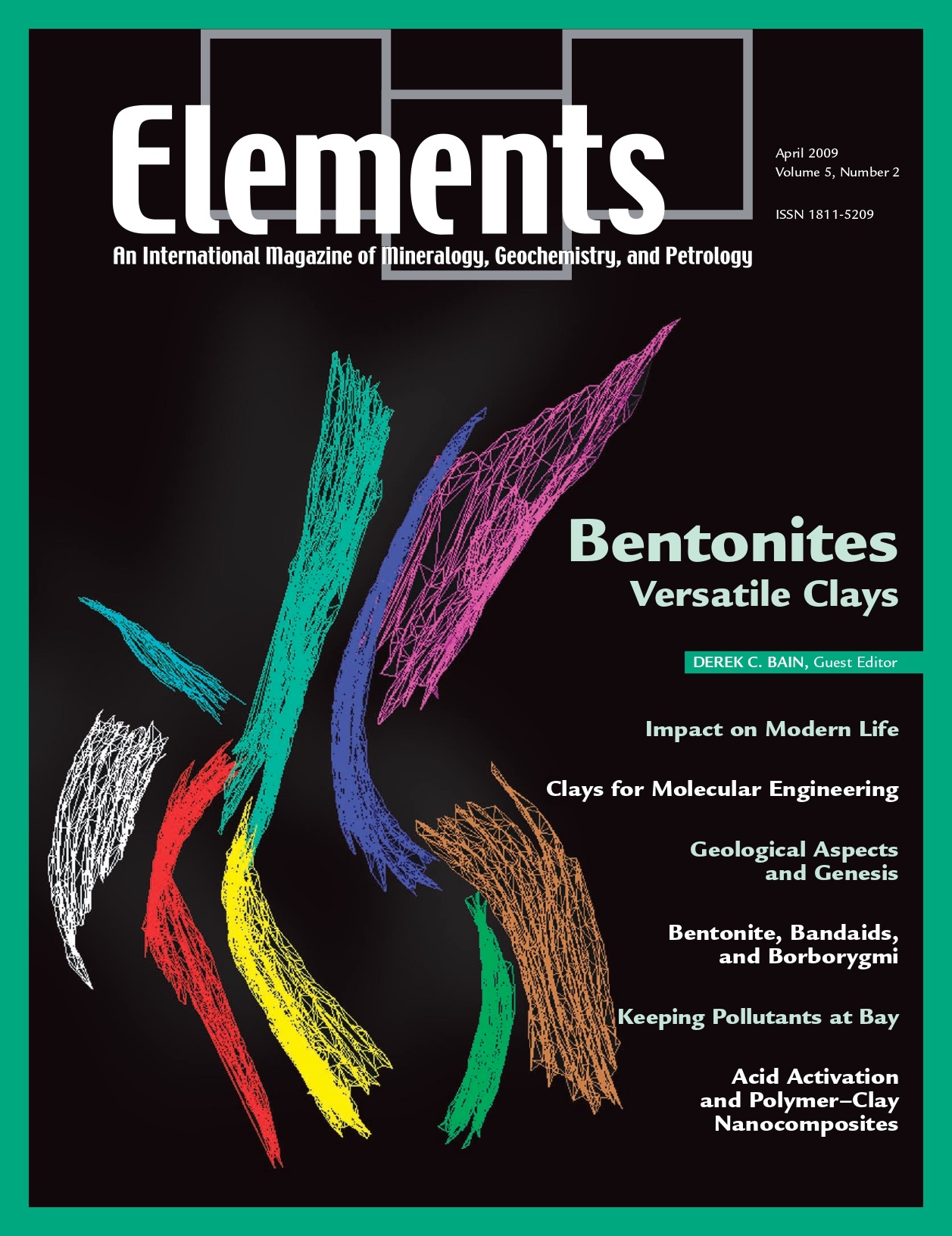
Bentonites – Versatile Clays, April 2009, Vol. 5, No. 2
$20.00
Of all naturally occurring clays, bentonites are arguably the most interesting, versatile and useful. This issue of Elements describes how these fascinating materials occur and how they are used in all manner of applications.
Bentonites – Versatile Clays
April 2009, Vol. 5, No. 2
Of all naturally occurring clays, bentonites are arguably the most interesting, versatile and useful. This issue of Elements describes how these fascinating materials occur and how they are used in all manner of applications. Composed predominantly of swelling minerals (smectites) and formed mainly from the alteration of volcanoclastic rocks, bentonites are used by geologists for stratigraphic correlation. Bentonite deposits are mined worldwide as they are commercially very valuable. Because of their physicochemical properties, bentonites are used in a wide variety of industrial applications, including the drilling industry, foundries, civil engineering, adsorbents, filtering, etc. Recent formulations of polymer– smectite nanocomposites have been used in industry to make new materials with amazing properties and diverse applications. Bentonites play an important role in the protection of the environment from industrial waste and pollutants and have also been used in medical applications in human health.
Why You’ll Love Elements Magazine:
- Expert Contributors: Articles written by renowned researchers in the field of geoscience.
- Engaging Content: Join a community of readers who are passionate about Elements.
- Exceptional Quality: Each issue is printed on high-quality paper with stunning visuals and detailed illustrations that bring complex scientific concepts to life.
Order your copy of the April 2009 issue of Elements magazine today and find out about the versatile clays of bentonites.
Related products
-
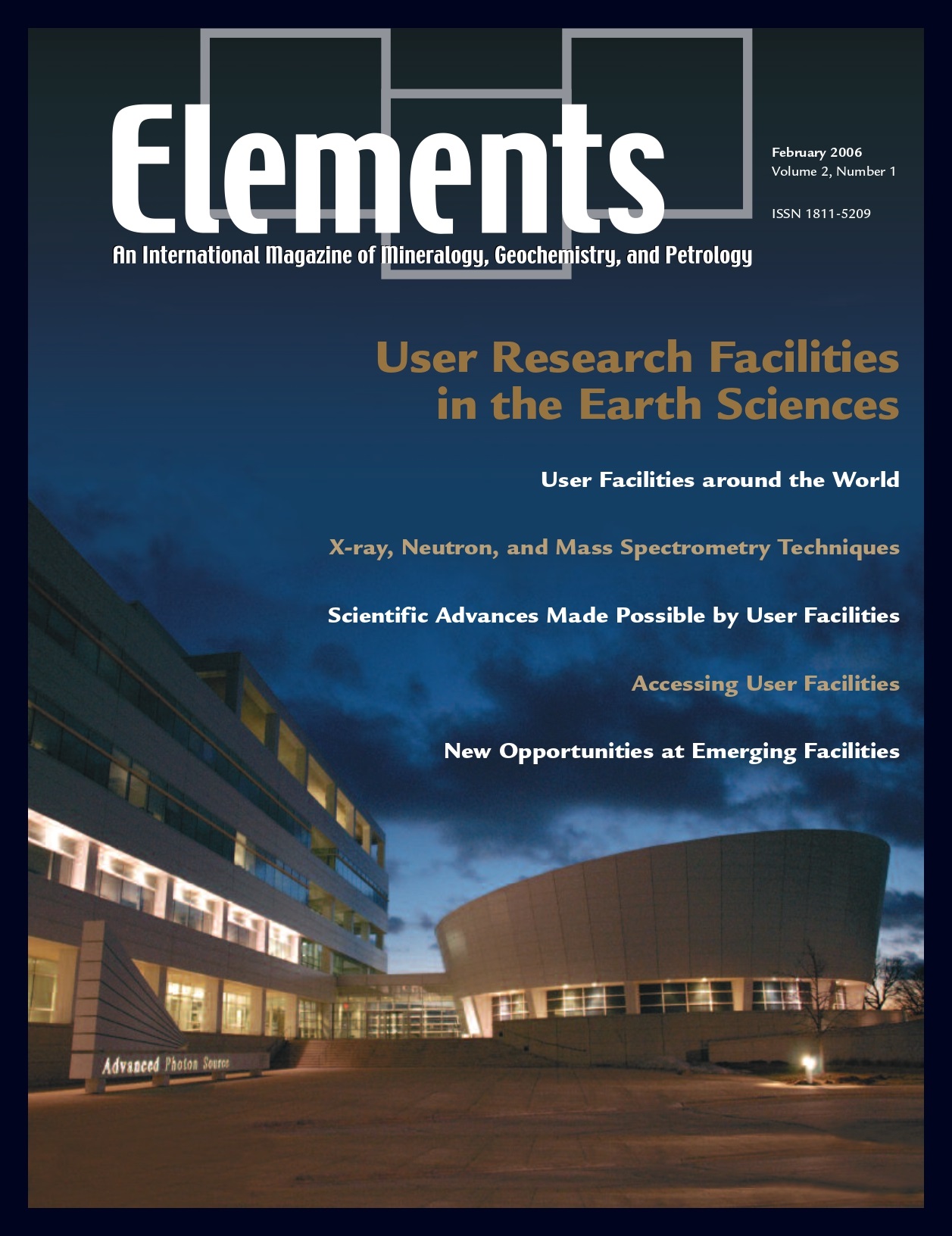
User Research Facilities In The Earth Sciences, February 2006, Vol. 2, No. 1
$20.00Earth scientists rely on effective access to user research facilities that provide state-of-the-art analytical instrumentation. This thematic issue focuses on some of these facilities and how to use them.
-
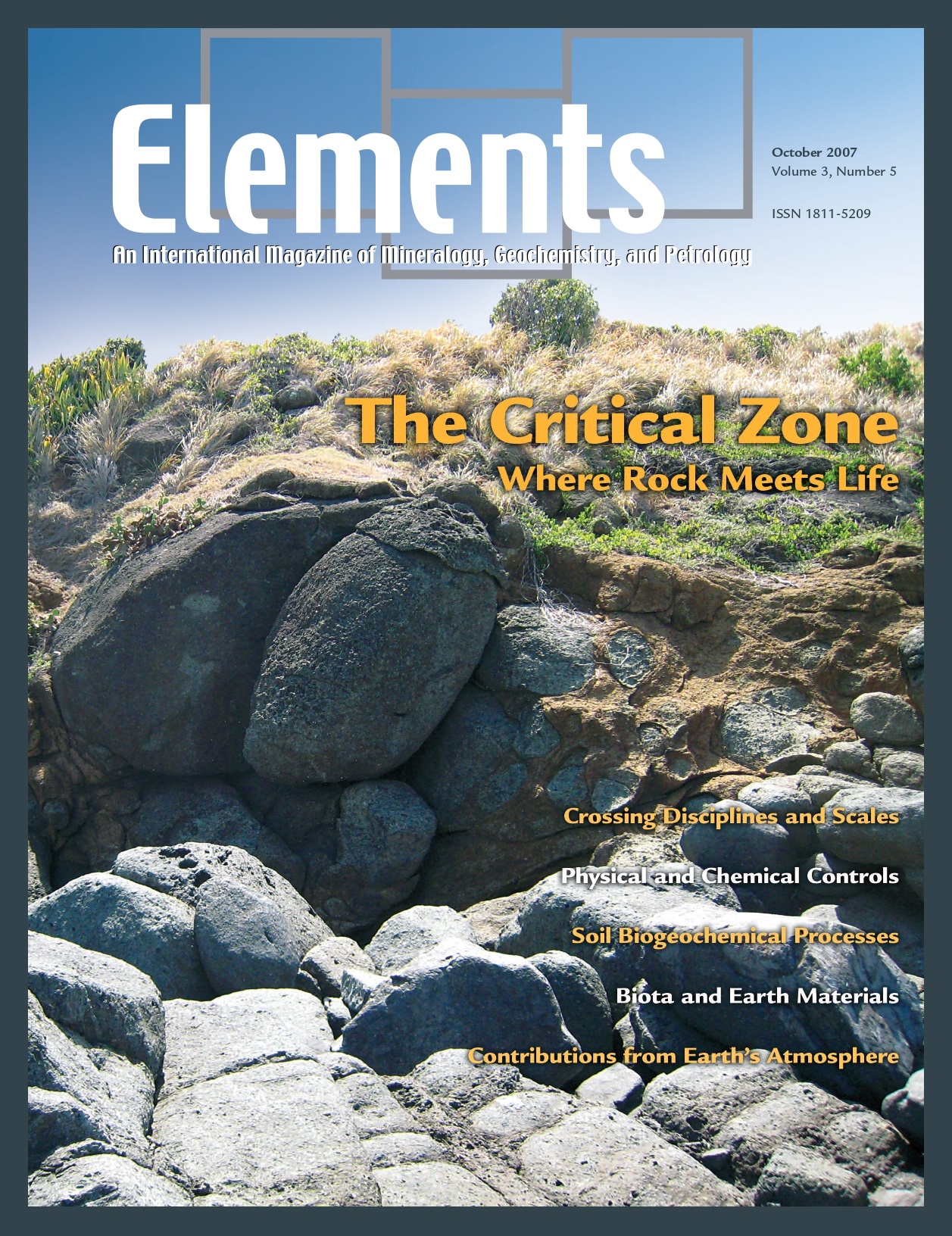
The Critical Zone, October 2007, Vol. 3, No. 5
$20.00The Critical Zone (CZ) encompasses all fluid, mineral, gaseous, and biotic components from the outer envelope of vegetation down to the lower limit of groundwater. It supports much of life on Earth.
-
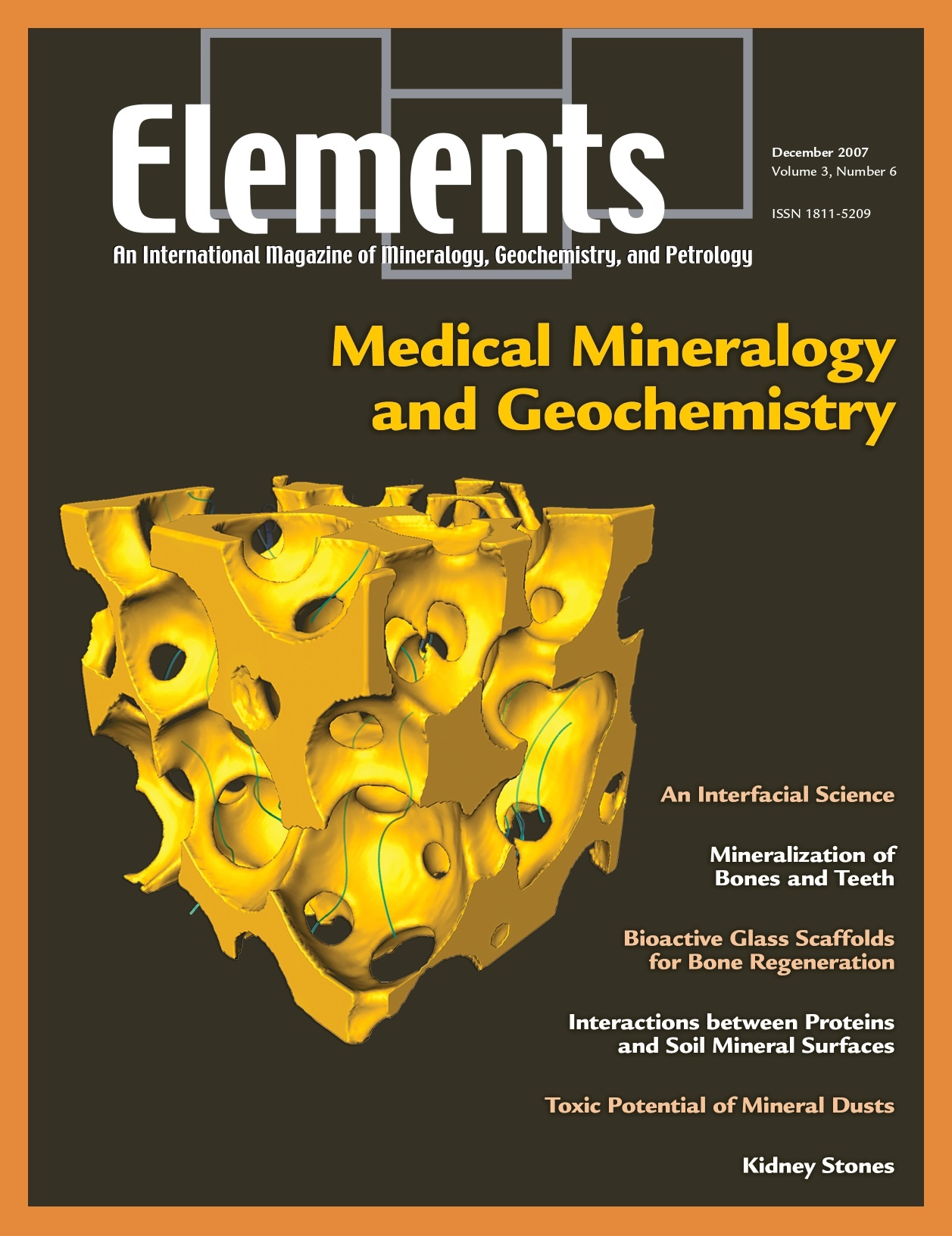
Medical Mineralogy And Geochemistry, December 2007, Vol. 3, No. 6
$20.00Medical mineralogy and geochemistry is an emergent, highly interdisciplinary field concerned with both normal and pathological interactions between minerals or amorphous inorganic solids and biomolecules or cells within the human body, and the transport and fate of prions and protein toxins in the soil environment. Prior research has, appropriately, focused on the complex genetic and molecular biological aspects, but there is a growing recognition of the vital need for understanding the surface and bulk properties and reactivities, especially at the challenging nanoscale characteristic of biomacromolecules and biominerals.