Water On Mars, June 2006, Vol. 2, No. 3
June 28, 2024
Glasses And Melts: Linking Geochemistry And Materials Science, October 2006, Vol. 2, No. 5
June 28, 2024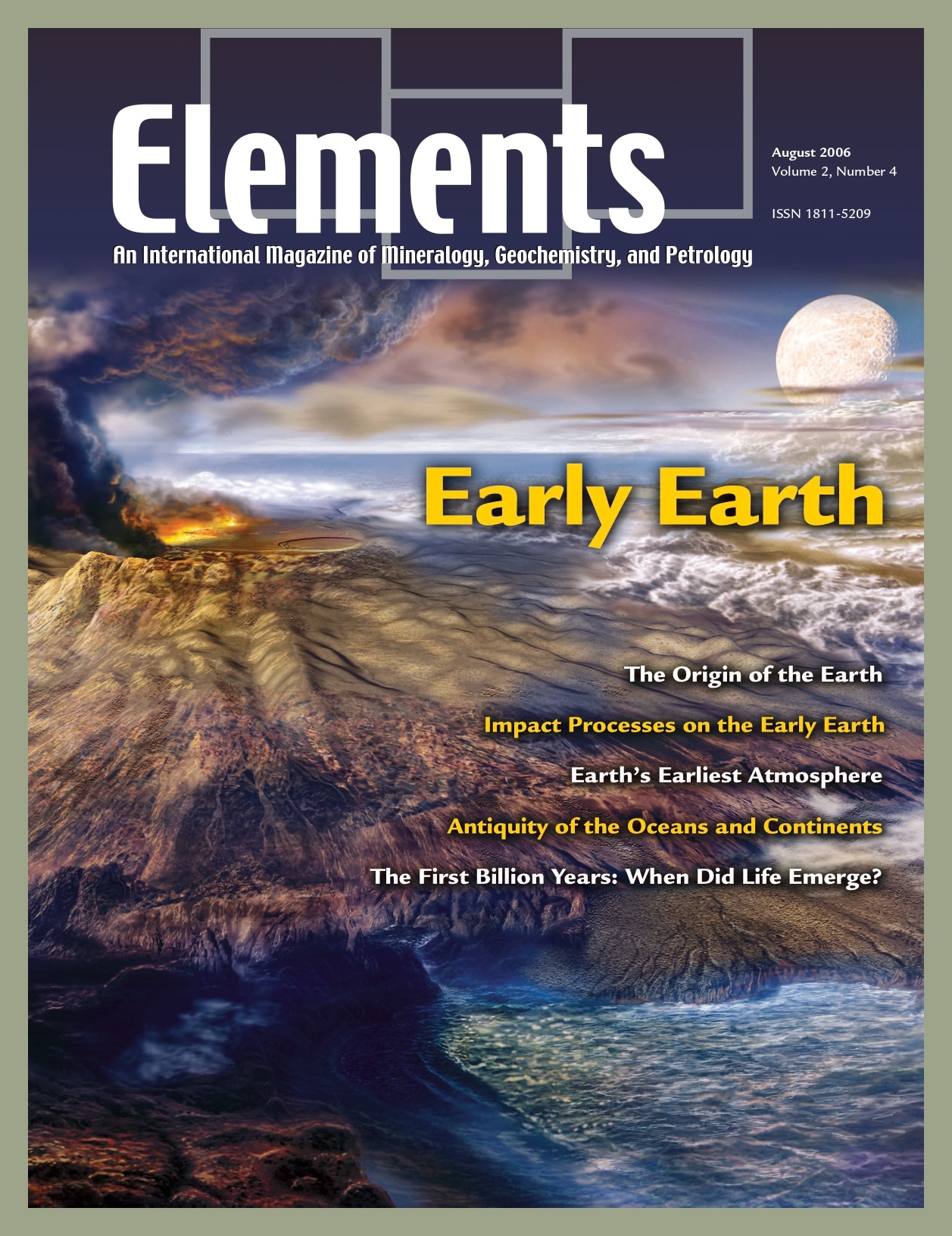
Early Earth, August 2006, Vol. 2, No. 4
$20.00
The earliest Earth was a strange inhospitable world, yet transitions occurred culminating in the evolution of life within the first billion years. The preservation of a sparse and ambiguous rock record has encouraged debate.
Early Earth
August 2006, Vol. 2, No. 4
The earliest Earth was a strange inhospitable world, yet transitions occurred culminating in the evolution of life within the first billion years. The preservation of a sparse and ambiguous rock record has encouraged debate. Recent studies have greatly refined the nature and timing of key events. This issue reviews current knowledge of the age of the Earth, massive meteorite impacts, the atmosphere and hydrosphere, the rock record, and the emergence of life.
Why You’ll Love Elements Magazine:
- Expert Contributors: Articles written by renowned researchers in the field of geoscience.
- Engaging Content: Join a community of readers who are passionate about Elements.
- Exceptional Quality: Each issue is printed on high-quality paper with stunning visuals and detailed illustrations that bring complex scientific concepts to life.
Order your copy of the August 2006 issue of Elements magazine today and uncover the mysteries of early Earth.
Related products
-
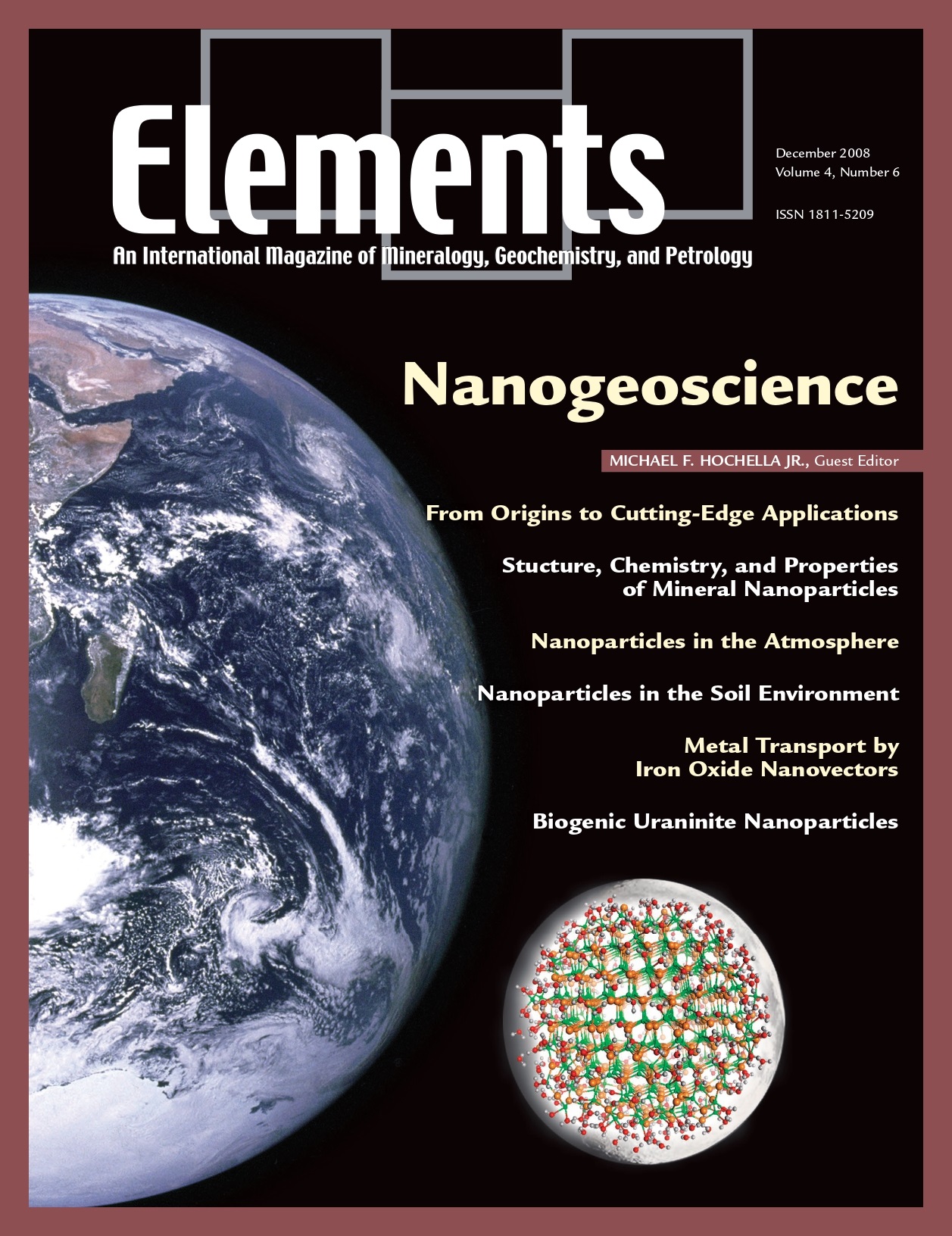
Nanogeoscience, December 2008, Vol. 4, No. 6
$20.00At first glance, nano and Earth seem about as far apart as one can imagine. Nanogeoscience seems to be a word connecting opposites.
-
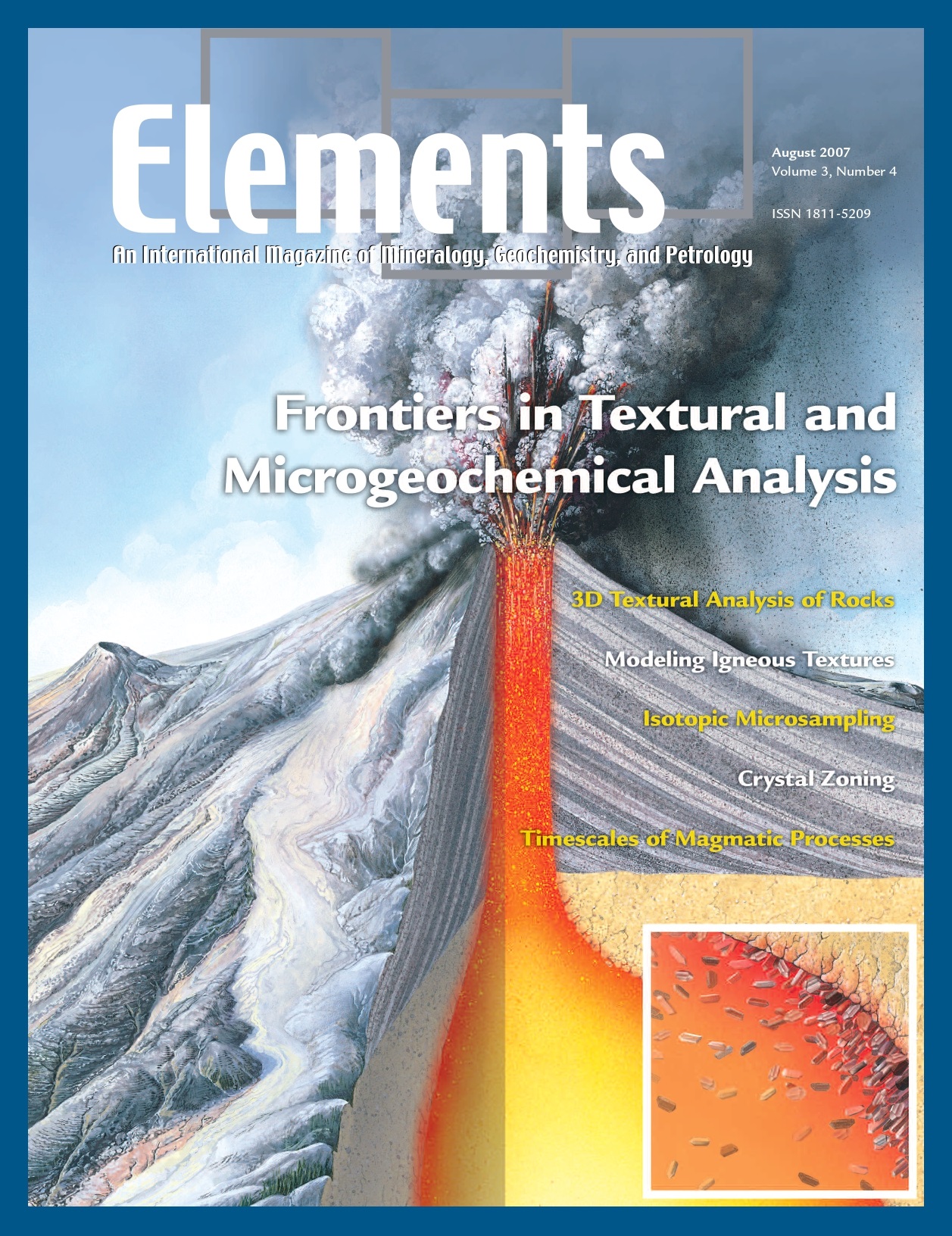
Frontiers In Textural And Microgeochemical Analysis, August 2007, Vol. 3, No. 4
$20.00Recent advances have been made in high-resolution in situ methods to image mineral growth patterns, analyse compositional and isotopic zonation, and improve our ability to visualize, study, and model rock textures in three dimensions. These advances provide a significant step forward in the understanding of how rocks form and the history they can tell us.
-
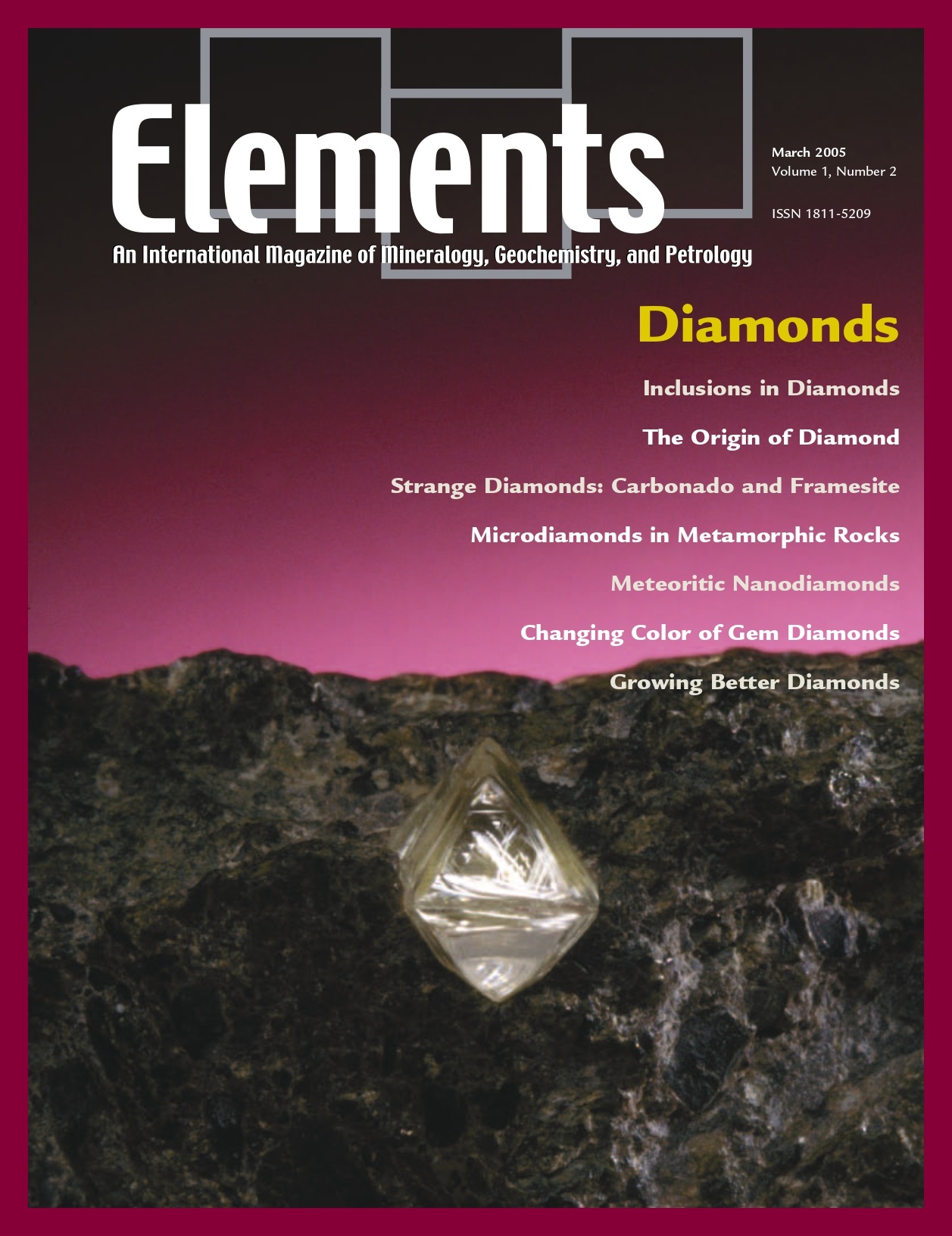
Diamonds, March 2005, Vol. 1, No. 2
$20.00Diamond, the fascinating ultrahard mineral, is the focus of considerable interest and scientific research. Recent advances particularly relevant to geoscientists include: diamond as a recorder of Earth processes from the perspective of inclusions, chemistry, and conditions of formation; synthesis for research applications and processing to modify color and physical properties, important to diamond gems and anvils; the implications of nanodiamonds from meteorites.