Large Igneous Provinces: Origin And Environmental Consequences, December 2005, Vol. 1, No. 5
June 28, 2024
Diamonds, March 2005, Vol. 1, No. 2
June 28, 2024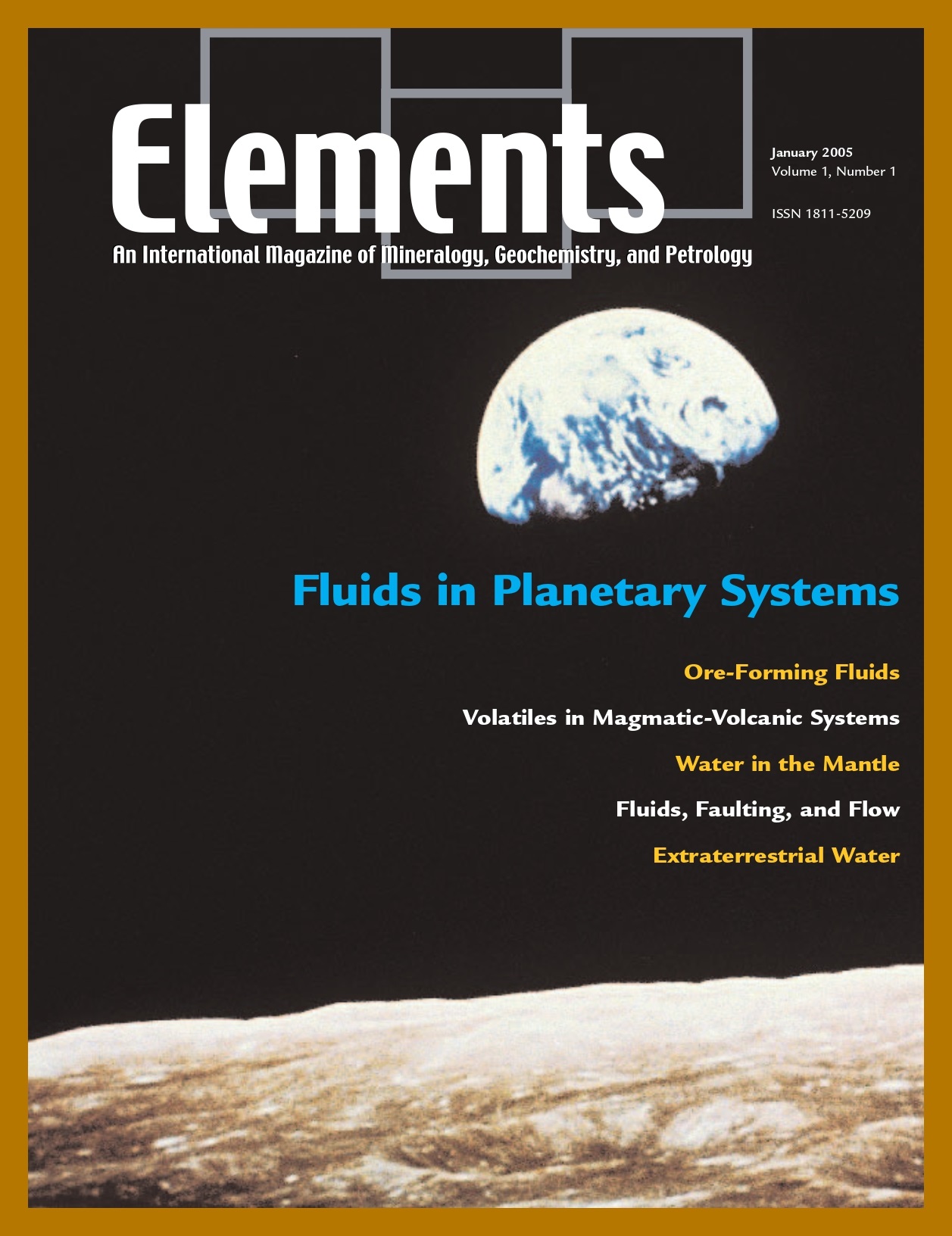
Fluids in Planetary Systems, January 2005, Vol. 1, No. 1
$20.00
Water and other geofluids play an important role in the geochemical and rheological evolution of the Earth and other bodies in the solar system. These fluids are responsible for the formation of hydrothermal mineral deposits, affect eruption behavior in volcanic systems and the geophysical properties of the mantle, and significantly affect the way in which rocks deform and fracture.
Fluids in Planetary Systems
January 2005, Vol. 1, No. 1
Water and other geofluids play an important role in the geochemical and rheological evolution of the Earth and other bodies in the solar system. These fluids are responsible for the formation of hydrothermal mineral deposits, affect eruption behavior in volcanic systems and the geophysical properties of the mantle, and significantly affect the way in which rocks deform and fracture. Water is required for life to develop and survive, and the search for life beyond Earth defaults to a search for water in the solar system. In this inaugural issue of Elements, current knowledge concerning the distribution and role of water in diverse geological processes and environments is considered.
Why You’ll Love Elements Magazine:
- Expert Contributors: Articles written by renowned researchers in the field of geoscience.
- Engaging Content: Join a community of readers who are passionate about Elements.
- Exceptional Quality: Each issue is printed on high-quality paper with stunning visuals and detailed illustrations that bring complex scientific concepts to life.
Order your copy of the January 2005 inaugural issue of Elements magazine today and explore the critical role of fluids in planetary systems.
Related products
-
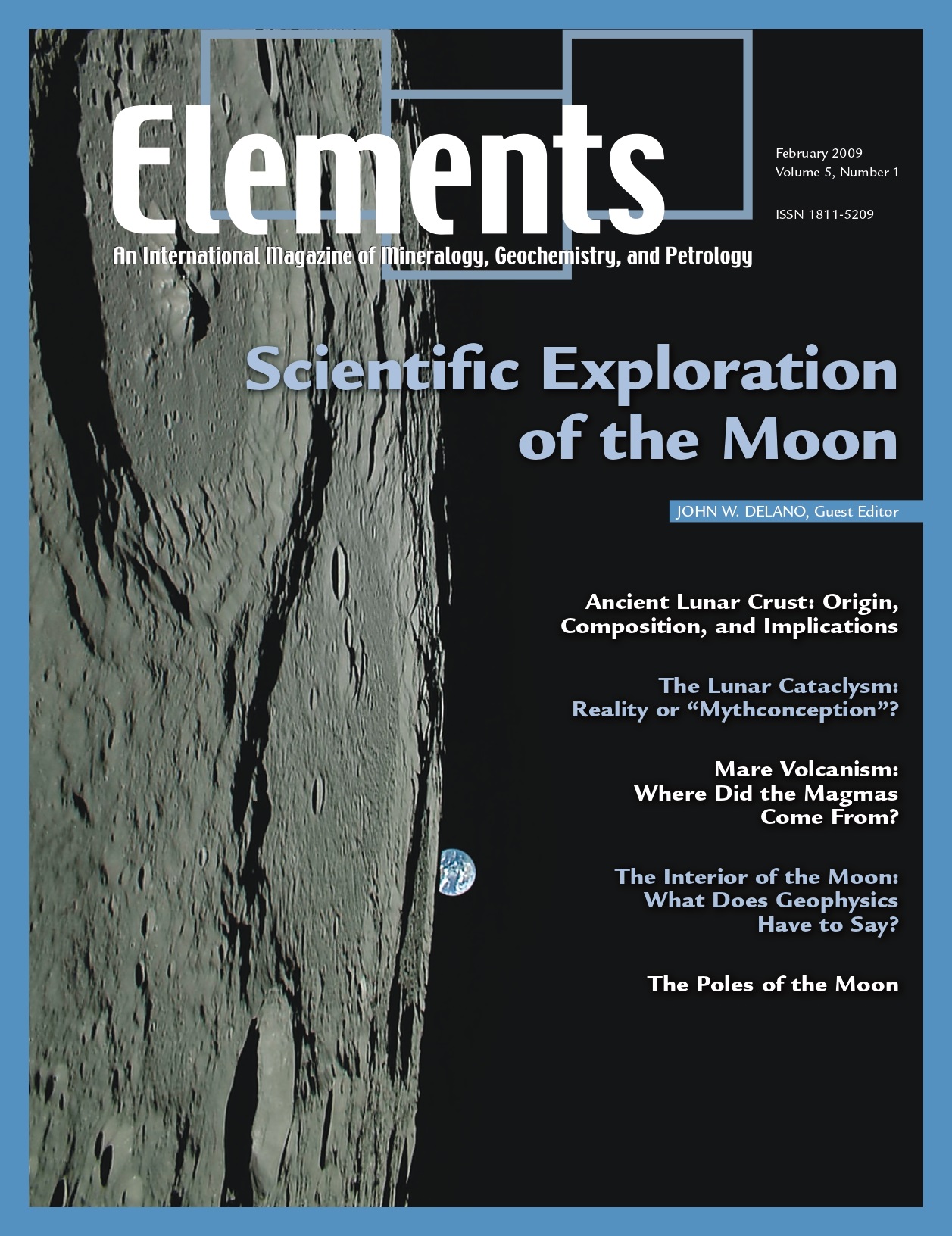
Scientific Exploration Of The Moon, February 2009, Vol. 5, No. 1
$20.00Our current understanding of the Moon’s history, interior structure, and chemical composition is based in large part on geochemical data acquired from samples from the U.S.
-
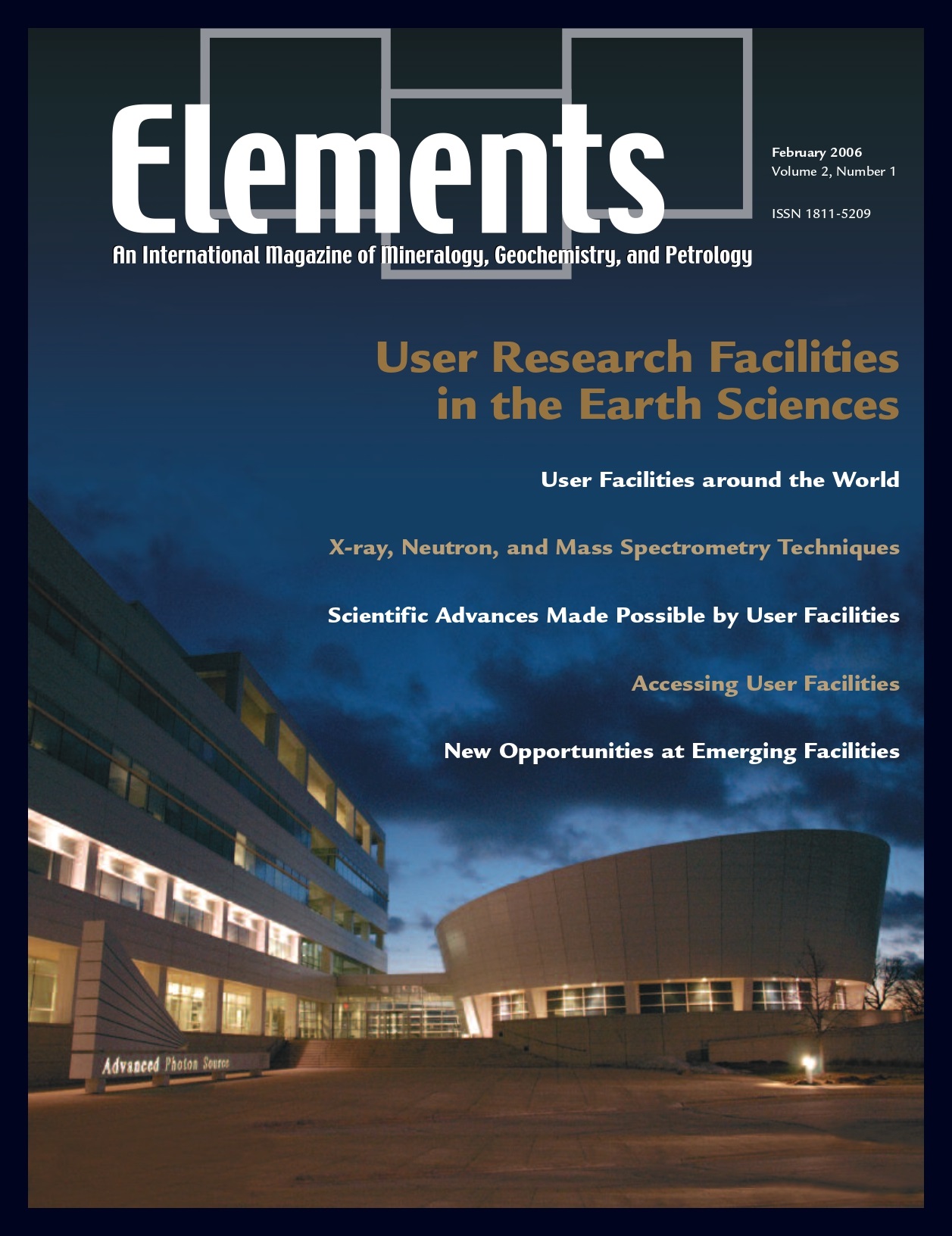
User Research Facilities In The Earth Sciences, February 2006, Vol. 2, No. 1
$20.00Earth scientists rely on effective access to user research facilities that provide state-of-the-art analytical instrumentation. This thematic issue focuses on some of these facilities and how to use them.
-
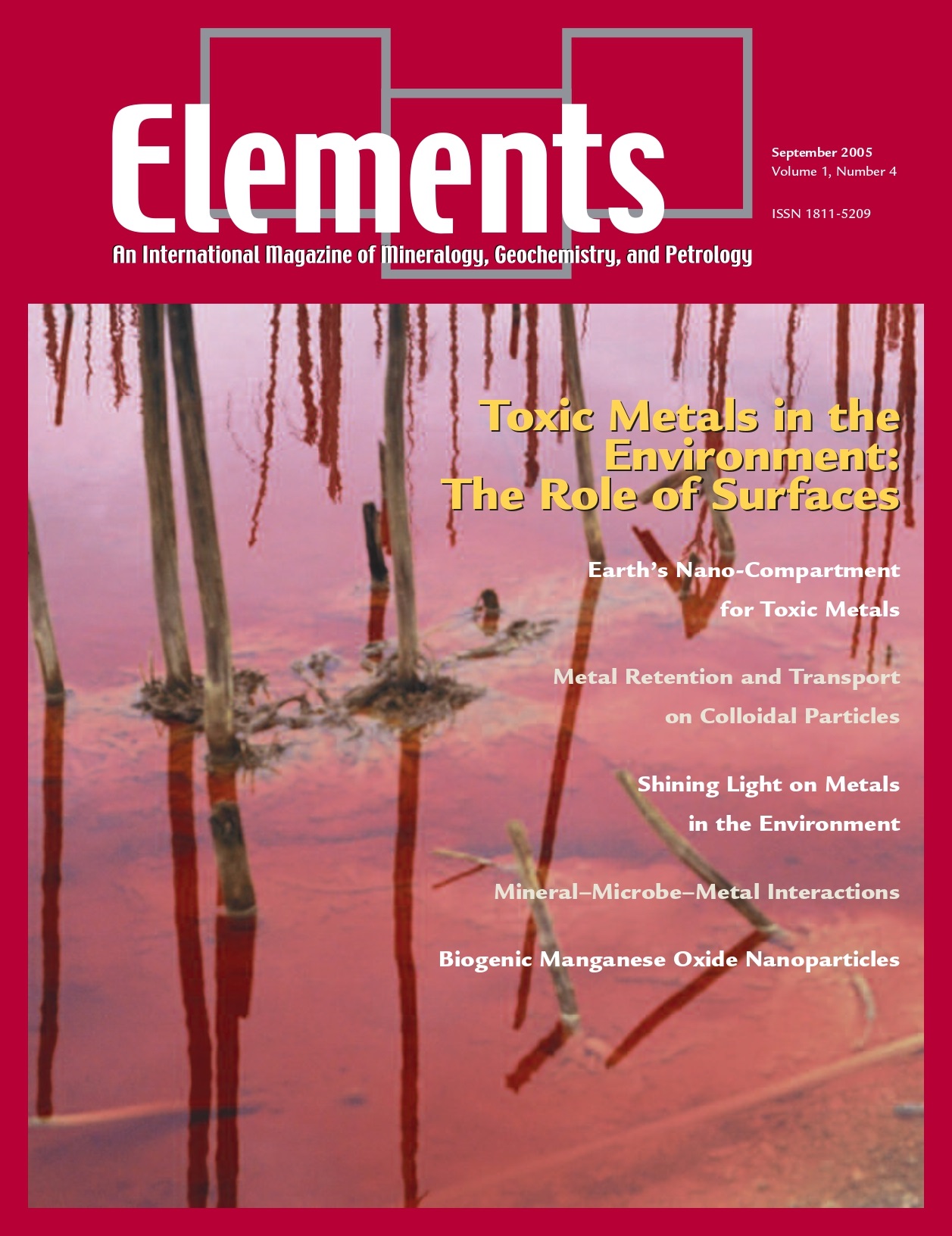
Toxic Metals In The Environment: The Role Of Surfaces, September 2005, Vol. 1, No. 4
$20.00Metals are prevalent in the environment. They are derived from both natural and anthropogenic sources.