Carbonatites, October 2021, Vol. 17, No. 5
June 28, 2024
Halogens: From Planetary Surfaces To Interiors, February 2022, Vol. 18, No. 1
June 28, 2024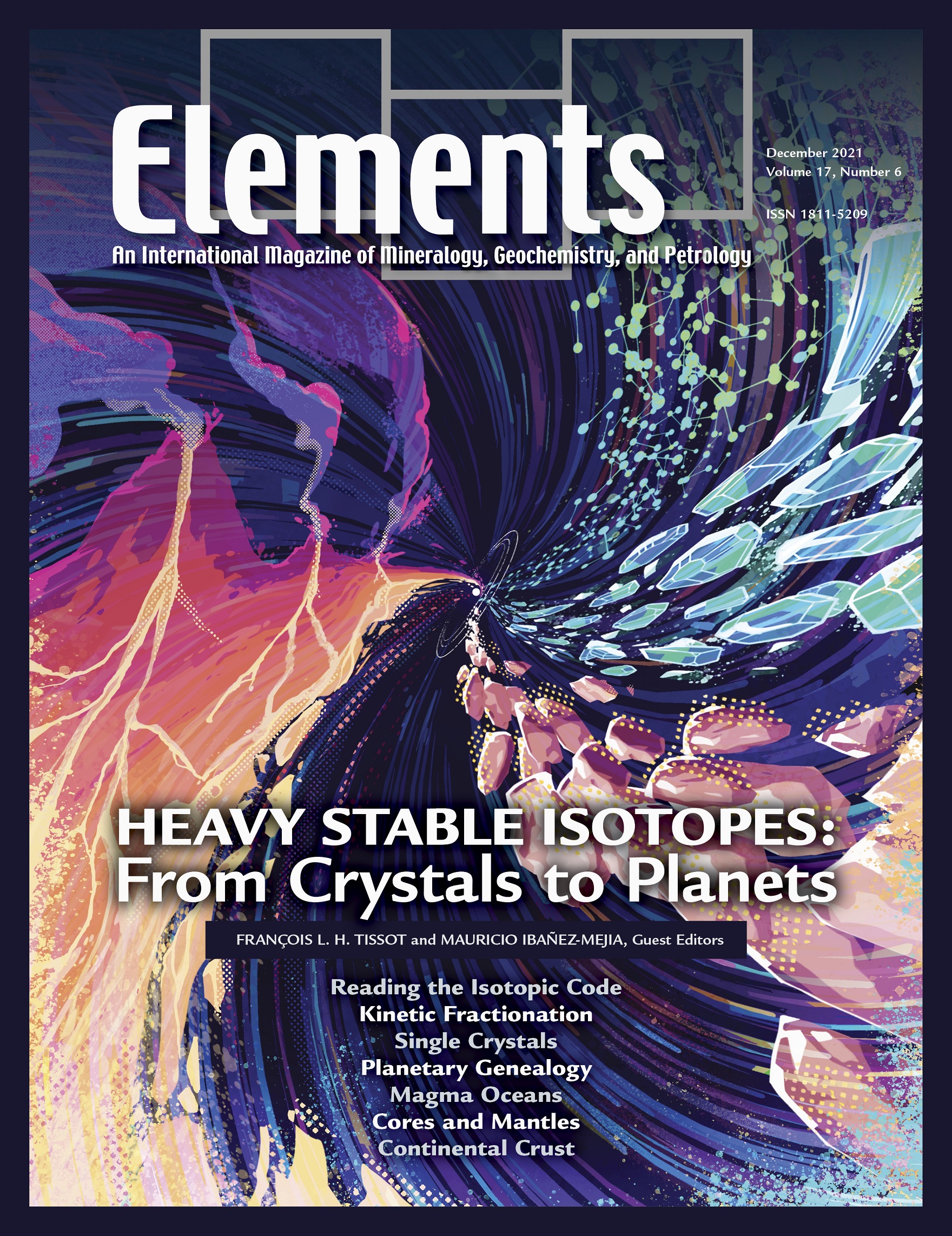
Heavy Stable Isotopes: From Crystals To Planets, December 2021, Vol. 17, No. 6
$20.00
Since their discovery in 1913, stable isotopes have become formidable tracers of physicochemical processes at all scales. Steady advances in mass spectrometry have allowed isotopic inquiries to move from the so-called “traditional” systems (i.
Heavy Stable Isotopes: From Crystals To Planets
December 2021, Vol. 17, No. 6
Since their discovery in 1913, stable isotopes have become formidable tracers of physicochemical processes at all scales. Steady advances in mass spectrometry have allowed isotopic inquiries to move from the so-called “traditional” systems (i.e., H, C, N, O, and S) to heavier “non traditional” systems (e.g., Fe, Mo, Ti, Zr, U) whose diverse geochemical characteristics are providing novel and complementary insights. Moving from micron-size systems (single crystals) to planetary-size bodies, the articles in this issue explore the enormous range of temporal and physical scales over which heavy stable isotopes have provided paradigm-shifting insights into the evolution of our planet and solar system. We also highlight new frontiers where novel stable isotope systematics appear particularly promising for unraveling longstanding questions.
Why You’ll Love Elements Magazine:
- Expert Contributors: Articles written by renowned researchers in the field of geoscience.
- Engaging Content: Join a community of readers who are passionate about Elements.
- Exceptional Quality: Each issue is printed on high-quality paper with stunning visuals and detailed illustrations that bring complex scientific concepts to life.
Order your copy of the December 2021 issue of Elements magazine today and explore heavy stable isotopes: from crystals to planets.
Related products
-
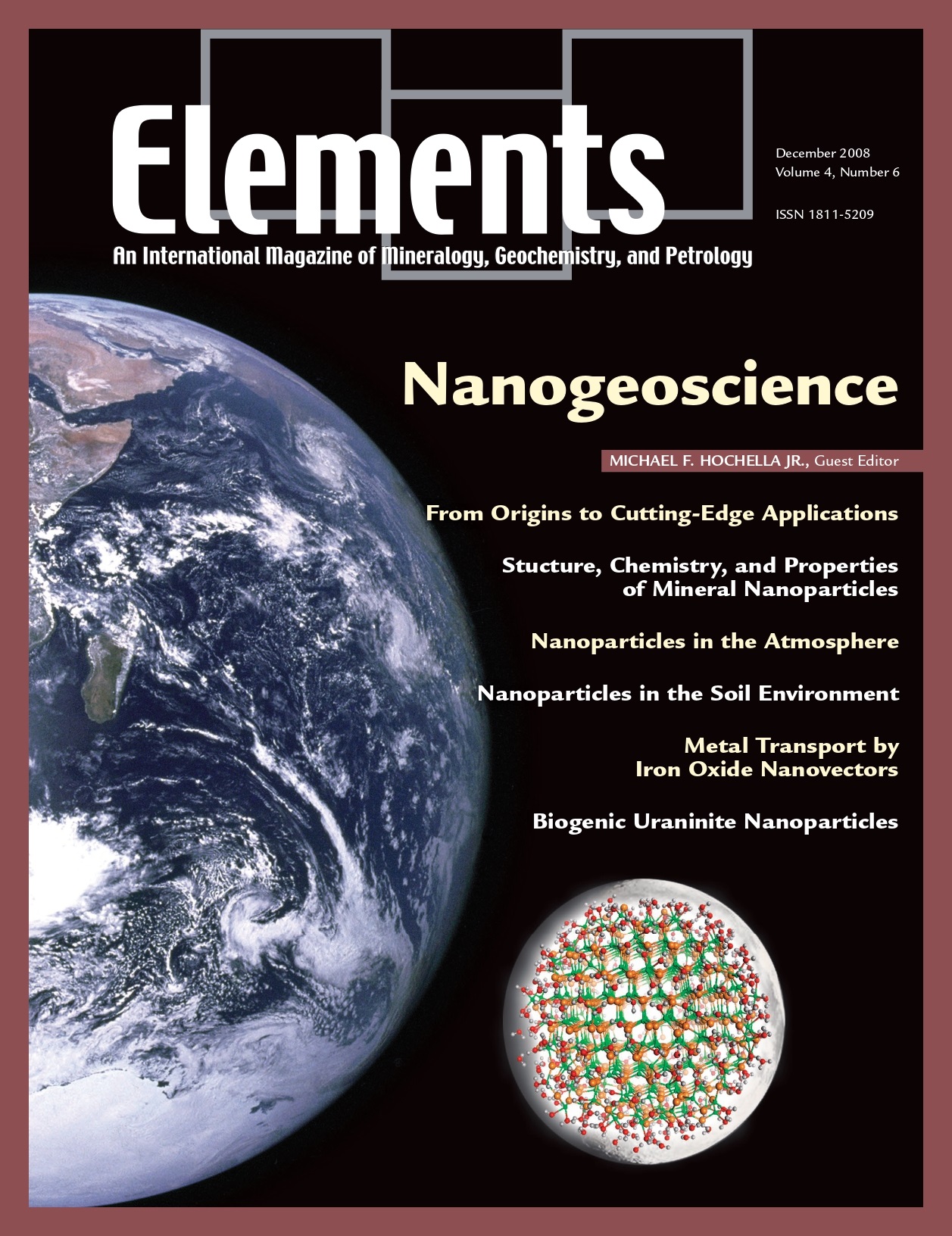
Nanogeoscience, December 2008, Vol. 4, No. 6
$20.00At first glance, nano and Earth seem about as far apart as one can imagine. Nanogeoscience seems to be a word connecting opposites.
-
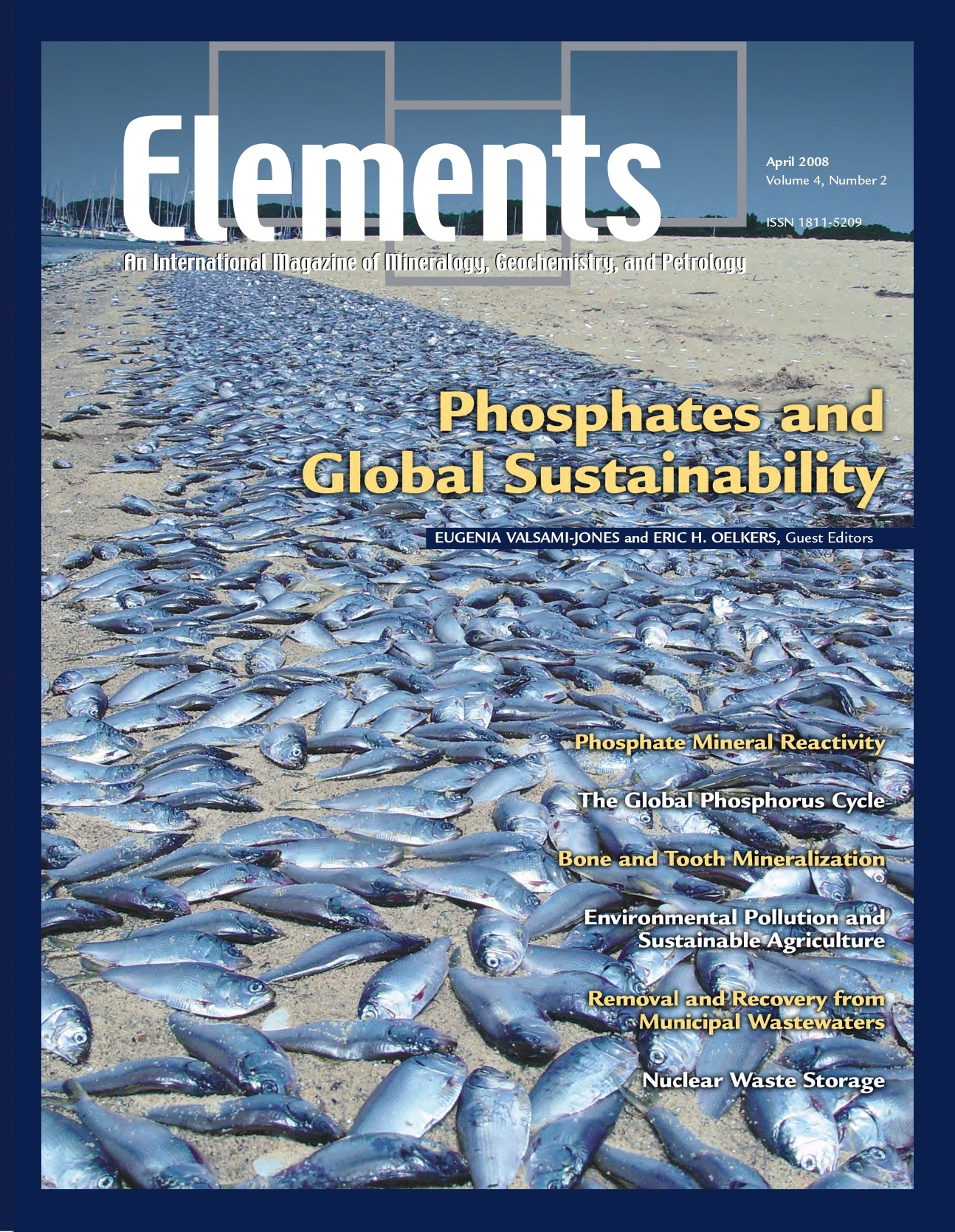
Phosphates And Global Sustainability, April 2008, Vol. 4, No. 2
$20.00Phosphorus is a unique element: it is essential to the existence of all living forms, and as such controls biological productivity in many terrestrial and marine environments; but when in excess, it leads to uncontrollable biological growth and water-quality problems. This has become a common environmental issue, resulting from our careless use of phosphorus in agriculture, yet phosphate ore deposits, from which fertilizers are produced, are a finite natural resource.
-
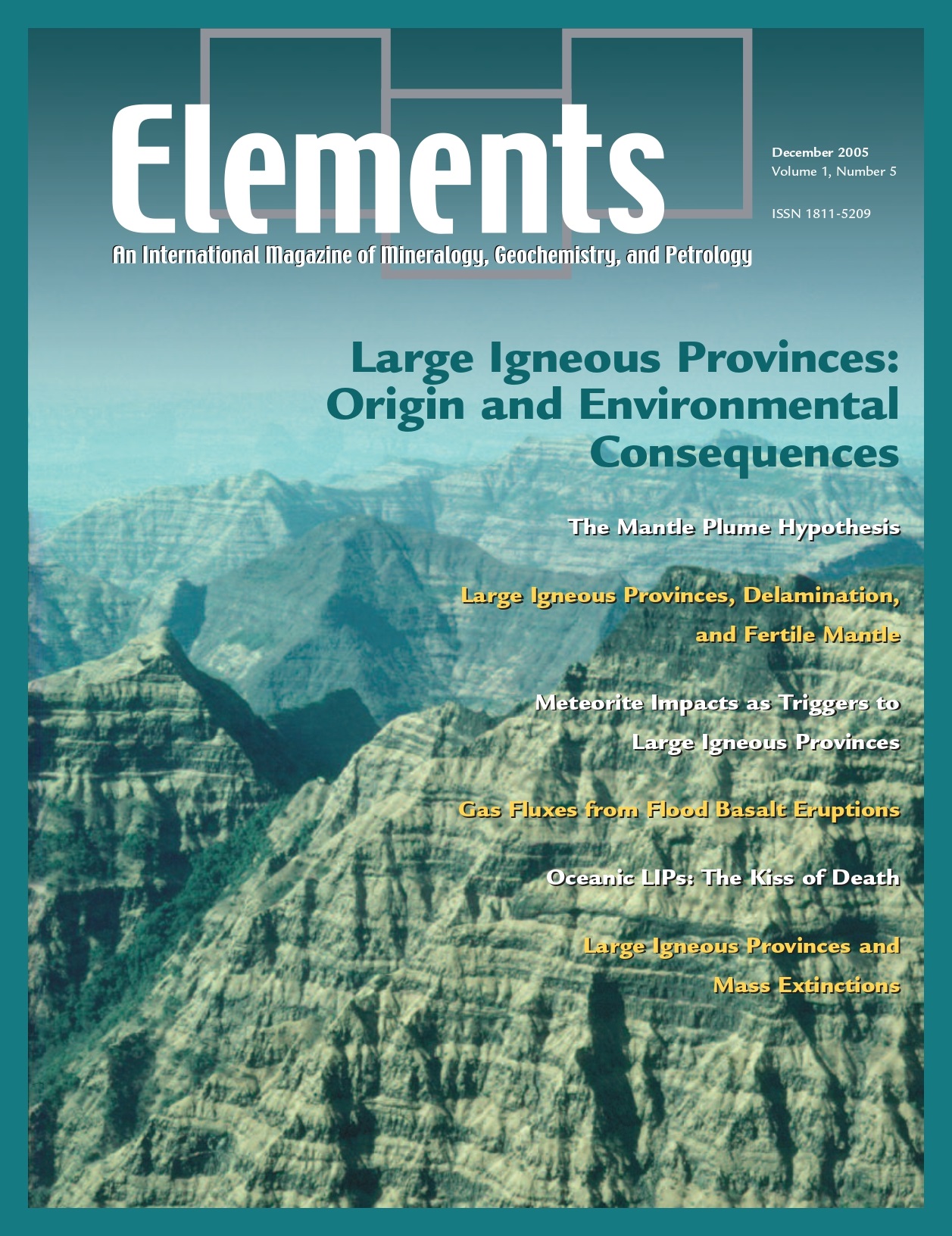
Large Igneous Provinces: Origin And Environmental Consequences, December 2005, Vol. 1, No. 5
$20.00Large igneous provinces record major outpourings of igneous rocks, both on the continents and in ocean basins. Their origin is still vigorously disputed, with models invoking mantle plumes, thermal effects of the lithosphere, and meteorite impacts.