
Halogens: From Planetary Surfaces To Interiors, February 2022, Vol. 18, No. 1
June 28, 2024
Water In Planetary Bodies, June 2022, Vol. 18, No. 3
June 28, 2024
Organic Biomarkers, April 2022, Vol. 18, No. 2
$20.00
Biomarkers are molecular fossils that are preserved in a wide range of environmental archives (e.g.
Organic Biomarkers
April 2022, Vol. 18, No. 2
Biomarkers are molecular fossils that are preserved in a wide range of environmental archives (e.g., soils, sediments, sedimentary rocks, and petroleum systems). This issue introduces biomarkers and their compound-specific stable isotope compositions to study fundamental biogeochemical processes and their application as proxies for environmental and climate reconstructions. Molecular biosignatures can be used to study the evolution of life, transitions in ocean plankton over time, the microbiota of extreme environments such as hydrothermal systems and the deep crustal biosphere, and to search for signs of life beyond Earth. Important new discoveries are typically the result of the development and deployment of improved instrumental techniques, multidisciplinary research approaches, and the combination of organic biogeochemistry with the new tools of molecular biology.
Why You’ll Love Elements Magazine:
- Expert Contributors: Articles written by renowned researchers in the field of geoscience.
- Engaging Content: Join a community of readers who are passionate about Elements.
- Exceptional Quality: Each issue is printed on high-quality paper with stunning visuals and detailed illustrations that bring complex scientific concepts to life.
Order your copy of the April 2022 issue of Elements magazine today and explore organic biomarkers.
Related products
-
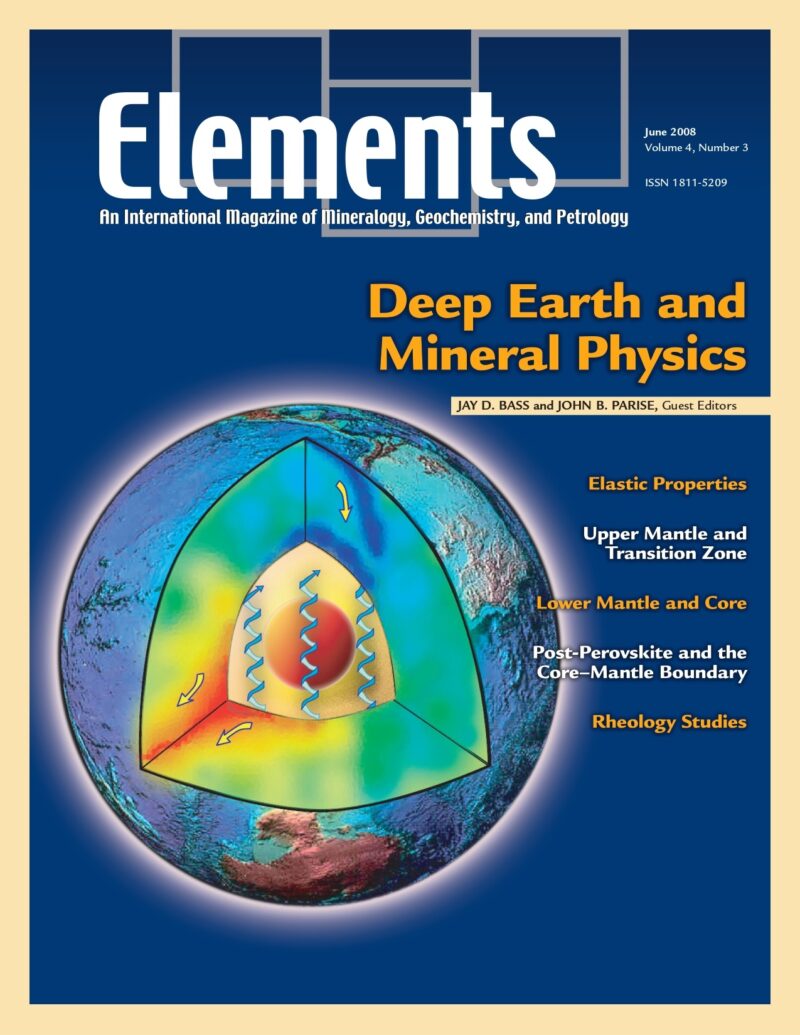
Deep Earth And Mineral Physics, June 2008, Vol. 4, No. 3
$20.00The field of high-pressure mineral physics is central to our understanding of the Earth’s interior and its evolution. It is also a field that is rapidly advancing.
-
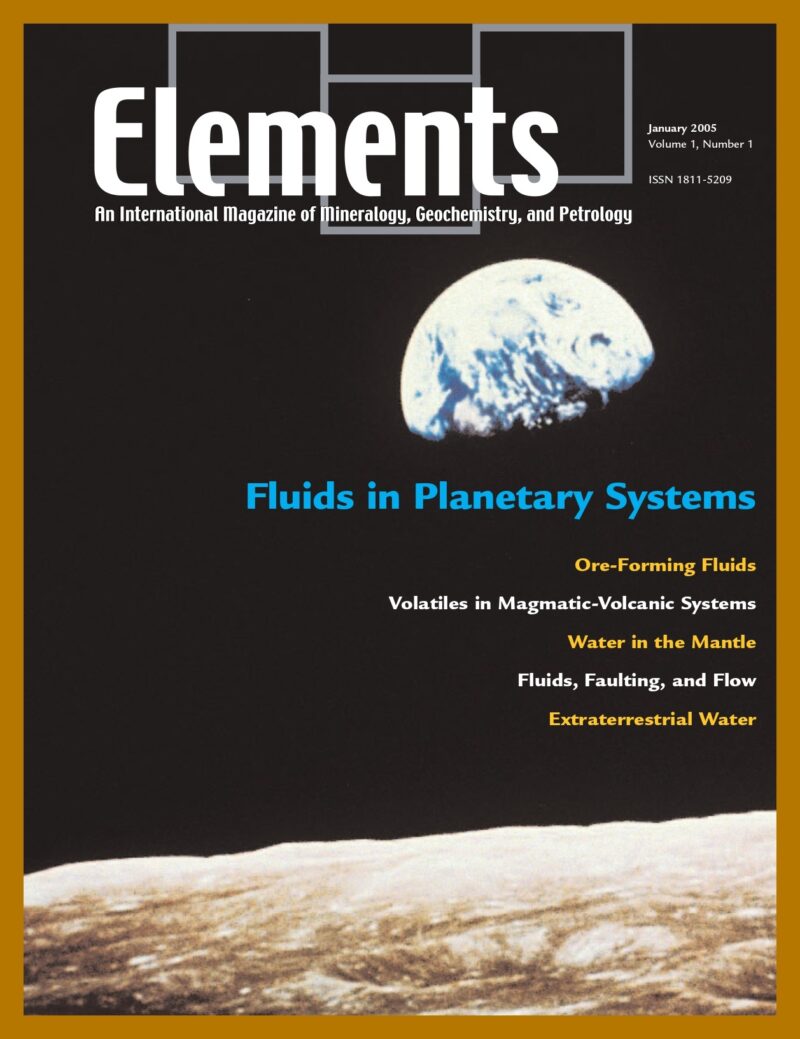
Fluids in Planetary Systems, January 2005, Vol. 1, No. 1
$20.00Water and other geofluids play an important role in the geochemical and rheological evolution of the Earth and other bodies in the solar system. These fluids are responsible for the formation of hydrothermal mineral deposits, affect eruption behavior in volcanic systems and the geophysical properties of the mantle, and significantly affect the way in which rocks deform and fracture.
-
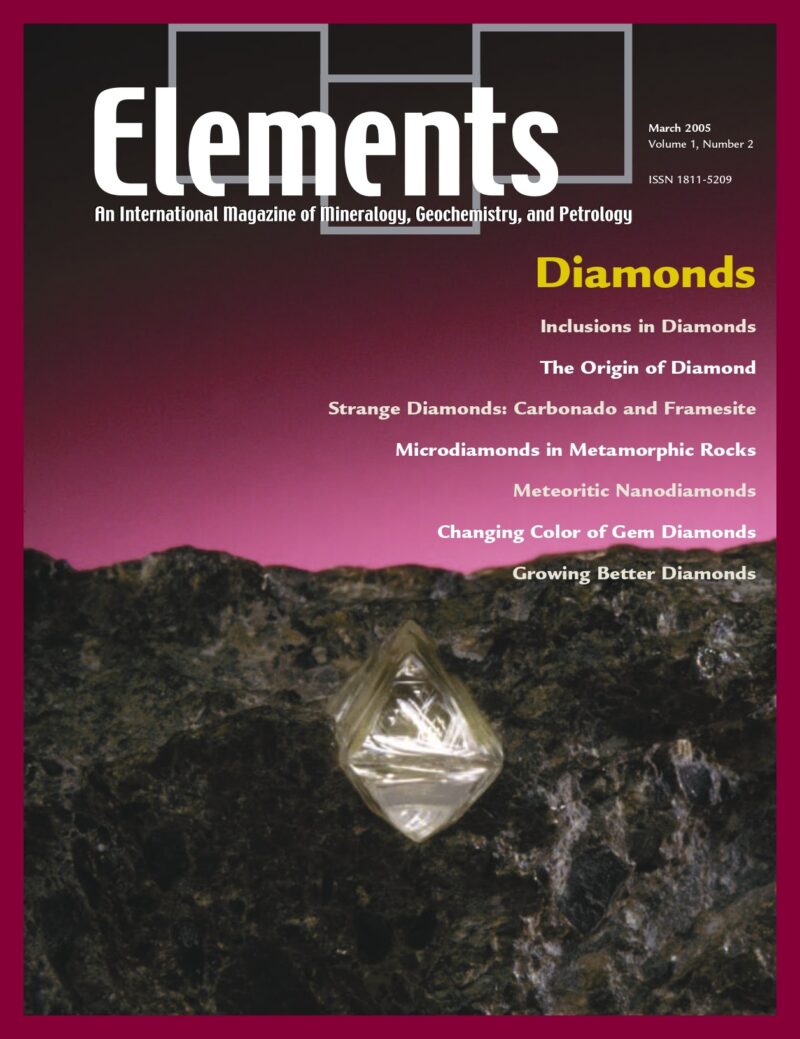
Diamonds, March 2005, Vol. 1, No. 2
$20.00Diamond, the fascinating ultrahard mineral, is the focus of considerable interest and scientific research. Recent advances particularly relevant to geoscientists include: diamond as a recorder of Earth processes from the perspective of inclusions, chemistry, and conditions of formation; synthesis for research applications and processing to modify color and physical properties, important to diamond gems and anvils; the implications of nanodiamonds from meteorites.