Himalayan Leucogranites (Poster v20n6)
October 25, 2024
Behind and Beyond Luminescence Imaging, October 2024, Vol. 20, No. 5
October 25, 2024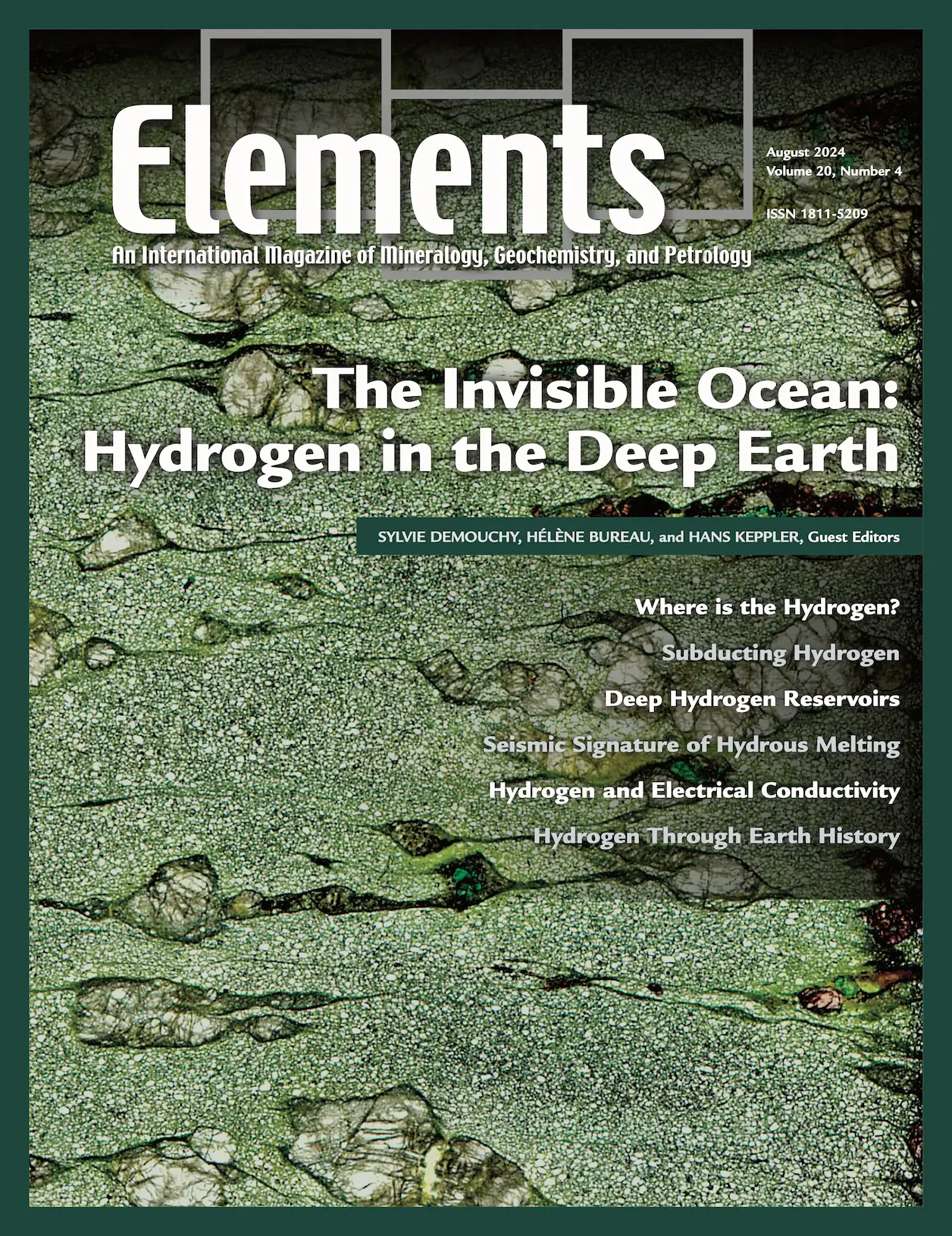
The Invisible Ocean: Hydrogen in the Deep Earth, August 2024, Vol. 20, No. 4
$20.00
Hydrogen is the most abundant element in the universe and its distribution, transfer, and speciation in the deep Earth remain a fascinating topic of ongoing research. We review the most notable discoveries constraining the H cycle in the deep Earth. This includes new methods for detecting hydrogen, insights into the size of deep reservoirs, and new constraints from inclusions in ultradeep diamonds.
The Invisible Ocean: Hydrogen in the Deep Earth
August 2024, Vol. 20, No. 4
Hydrogen is the most abundant element in the universe and its distribution, transfer, and speciation in the deep Earth remain a fascinating topic of ongoing research. We review the most notable discoveries constraining the H cycle in the deep Earth. This includes new methods for detecting hydrogen, insights into the size of deep reservoirs, and new constraints from inclusions in ultradeep diamonds. Advances in seismic and magneto- telluric imaging provide unique data on the storage and mobility of water in Earth´s interior. Models of the early Earth and of its habitability critically depend on the behavior of hydrogen in a magma ocean–atmosphere system. Later in Earth history, water may have been essential for establishing plate tectonics, a phenomenon making Earth a unique planet.
Why You’ll Love Elements Magazine:
- Expert Contributors: Articles written by renowned researchers in the field of geoscience.
- Engaging Content: Join a community of readers who are passionate about Elements.
- Exceptional Quality: Each issue is printed on high-quality paper with stunning visuals and detailed illustrations that bring complex scientific concepts to life.
Order your copy of the August 2024 issue of Elements magazine today and explore The Invisible Ocean: Hydrogen in the Deep Earth.
Related products
-
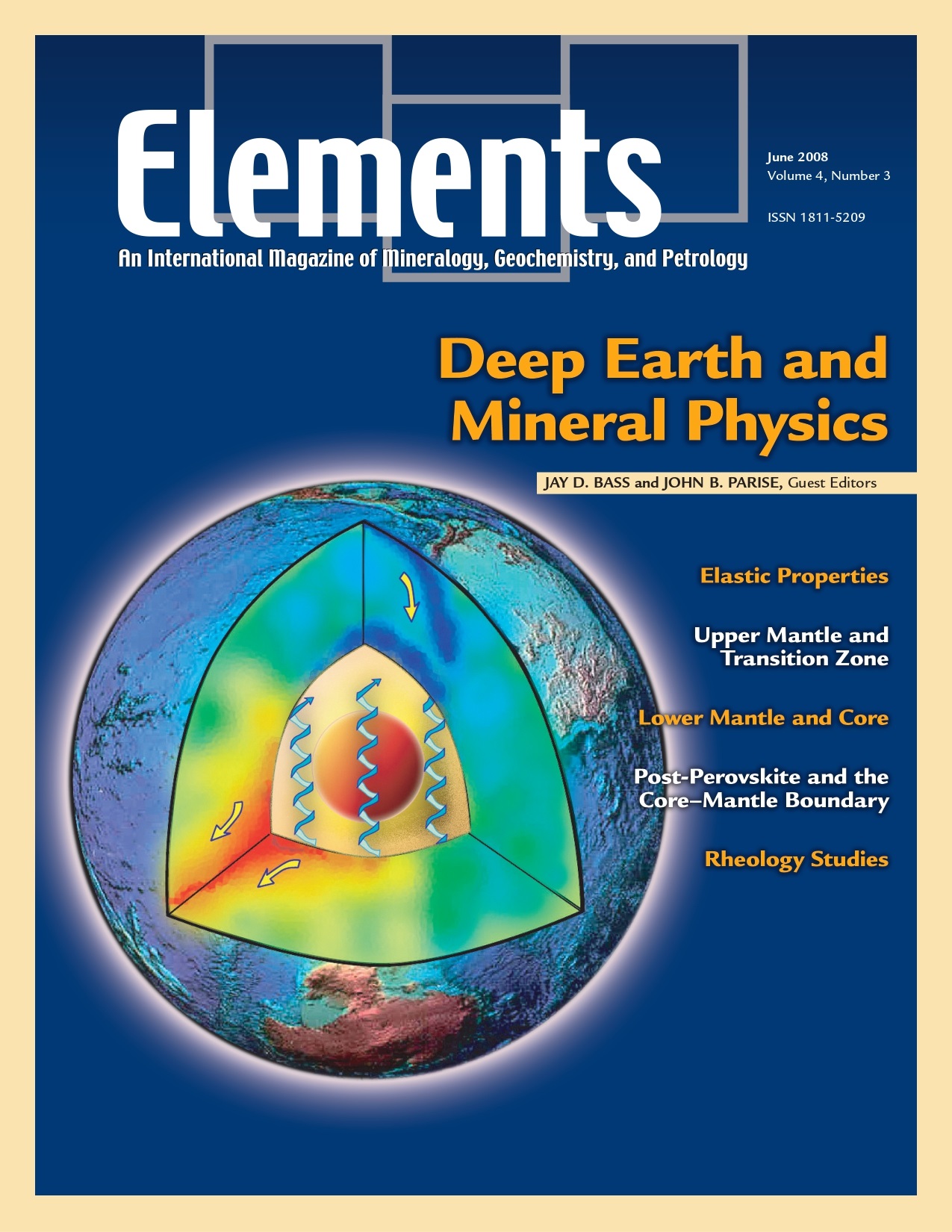
Deep Earth And Mineral Physics, June 2008, Vol. 4, No. 3
$20.00The field of high-pressure mineral physics is central to our understanding of the Earth’s interior and its evolution. It is also a field that is rapidly advancing.
-
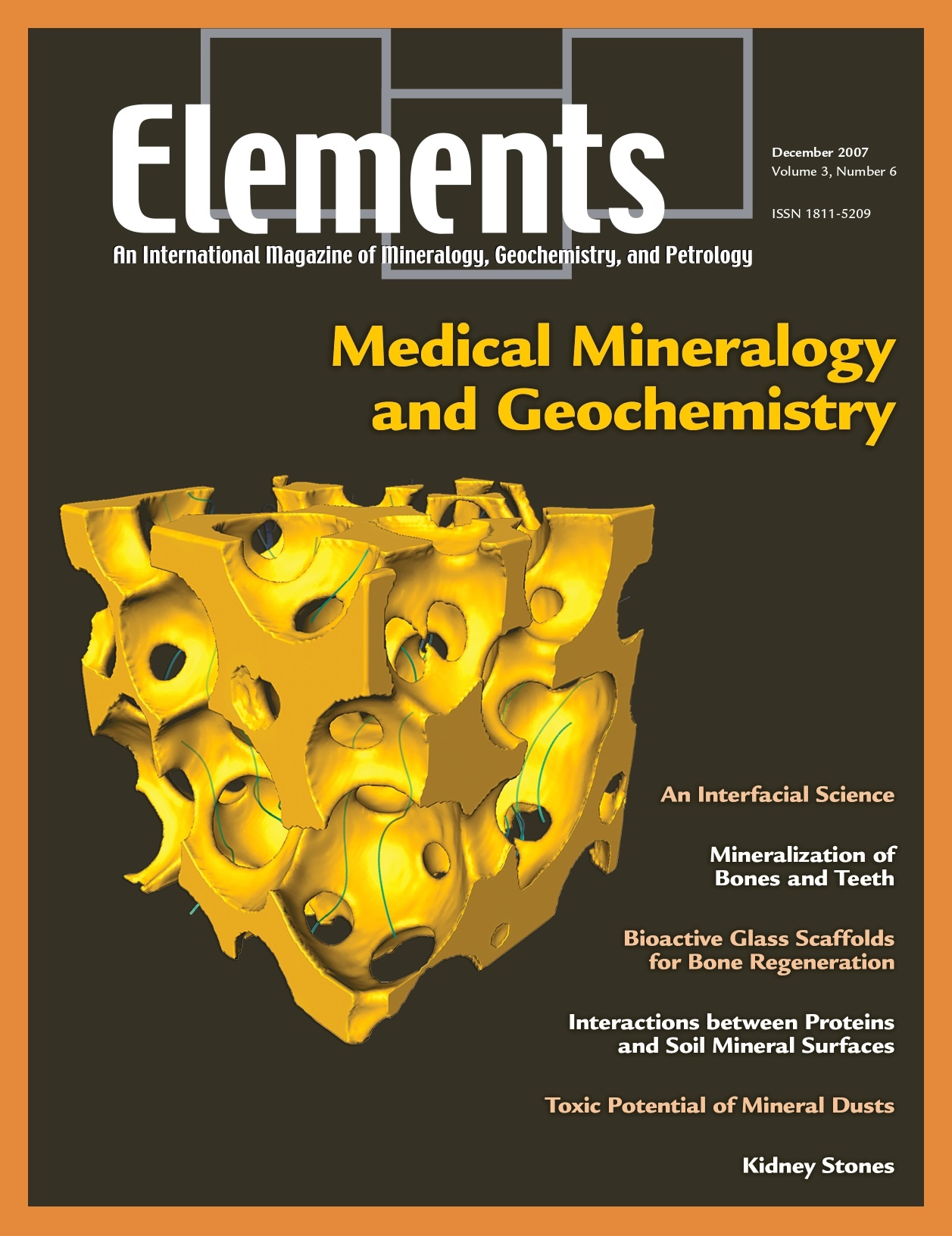
Medical Mineralogy And Geochemistry, December 2007, Vol. 3, No. 6
$20.00Medical mineralogy and geochemistry is an emergent, highly interdisciplinary field concerned with both normal and pathological interactions between minerals or amorphous inorganic solids and biomolecules or cells within the human body, and the transport and fate of prions and protein toxins in the soil environment. Prior research has, appropriately, focused on the complex genetic and molecular biological aspects, but there is a growing recognition of the vital need for understanding the surface and bulk properties and reactivities, especially at the challenging nanoscale characteristic of biomacromolecules and biominerals.
-
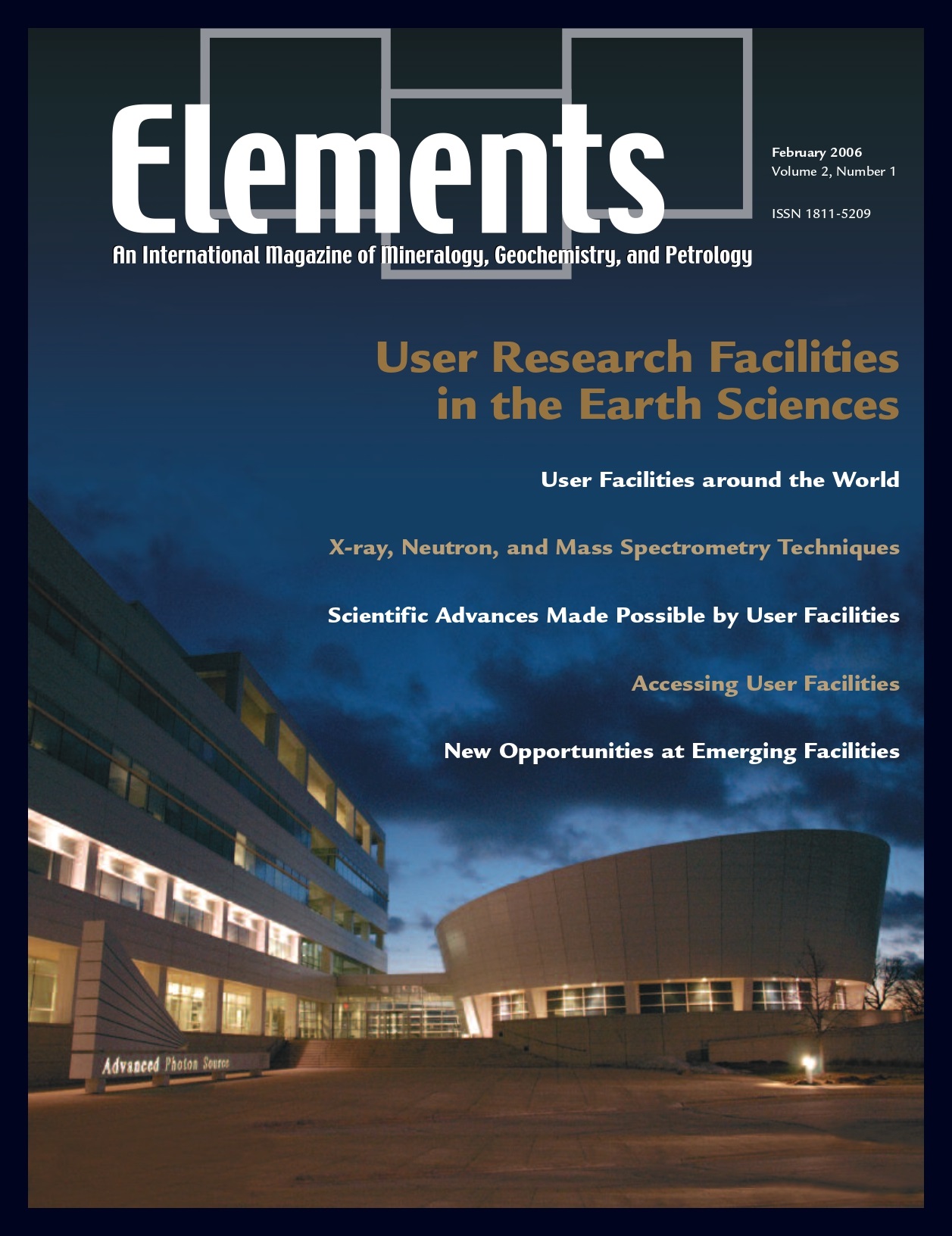
User Research Facilities In The Earth Sciences, February 2006, Vol. 2, No. 1
$20.00Earth scientists rely on effective access to user research facilities that provide state-of-the-art analytical instrumentation. This thematic issue focuses on some of these facilities and how to use them.