Rare Earth Elements, October 2012, Vol. 8, No. 5
June 28, 2024
One Hundred Years Of Isotope Geochronology, February 2013, Vol. 9, No. 1
June 28, 2024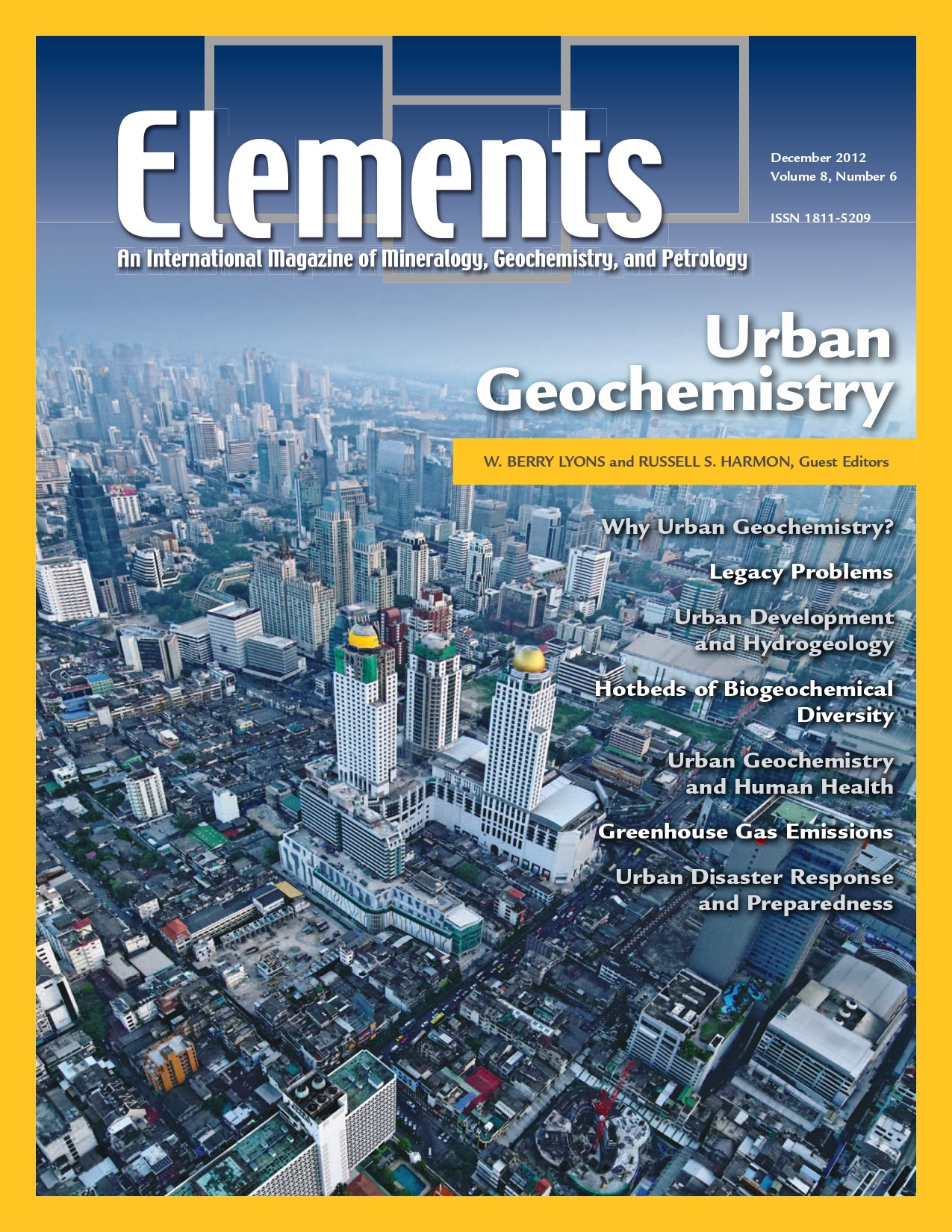
Urban Geochemistry, December 2012, Vol. 8, No. 6
$20.00
By 2030, about 60% of the human population will live in cities. Clearly, anthropogenic activities in urban environments affect geochemical cycles, water resources, and the health of ecosystems and humans globally.
Urban Geochemistry
December 2012, Vol. 8, No. 6
By 2030, about 60% of the human population will live in cities. Clearly, anthropogenic activities in urban environments affect geochemical cycles, water resources, and the health of ecosystems and humans globally. Past practices are still having biogeochemical impacts today, and in many cases remediation is needed. Both natural and manmade disasters greatly change the geochemistry of urban areas. Understanding past impacts can aid in future disaster planning. An increased awareness of the geochemical and mineralogical effects of urbanization on geochemical cycling will aid urban planners in the effort to make urban development sustainable.
Why You’ll Love Elements Magazine:
- Expert Contributors: Articles written by renowned researchers in the field of geoscience.
- Engaging Content: Join a community of readers who are passionate about Elements.
- Exceptional Quality: Each issue is printed on high-quality paper with stunning visuals and detailed illustrations that bring complex scientific concepts to life.
Order your copy of the December 2012 issue of Elements magazine today and explore urban geochemistry.
Related products
-
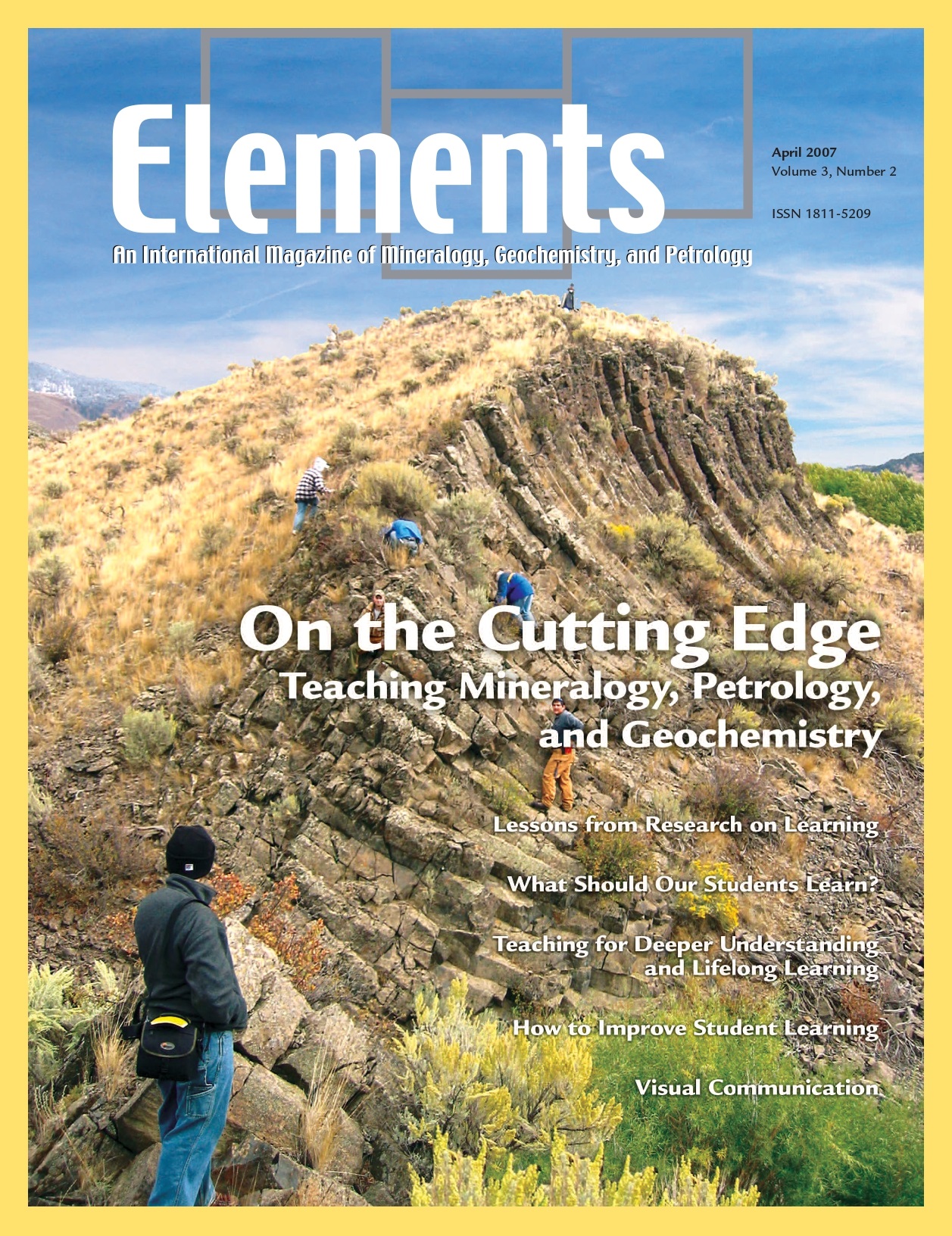
On The Cutting Edge: Teaching Mineralogy, Petrology, And Geochemistry, April 2007, Vol. 3, No. 2
$20.00New advances in research on learning have important implications for teaching mineralogy, petrology, and geochemistry. Effective instructional practices are increasingly student centered, address diverse student learning styles, and employ a variety of active-learning strategies.
-
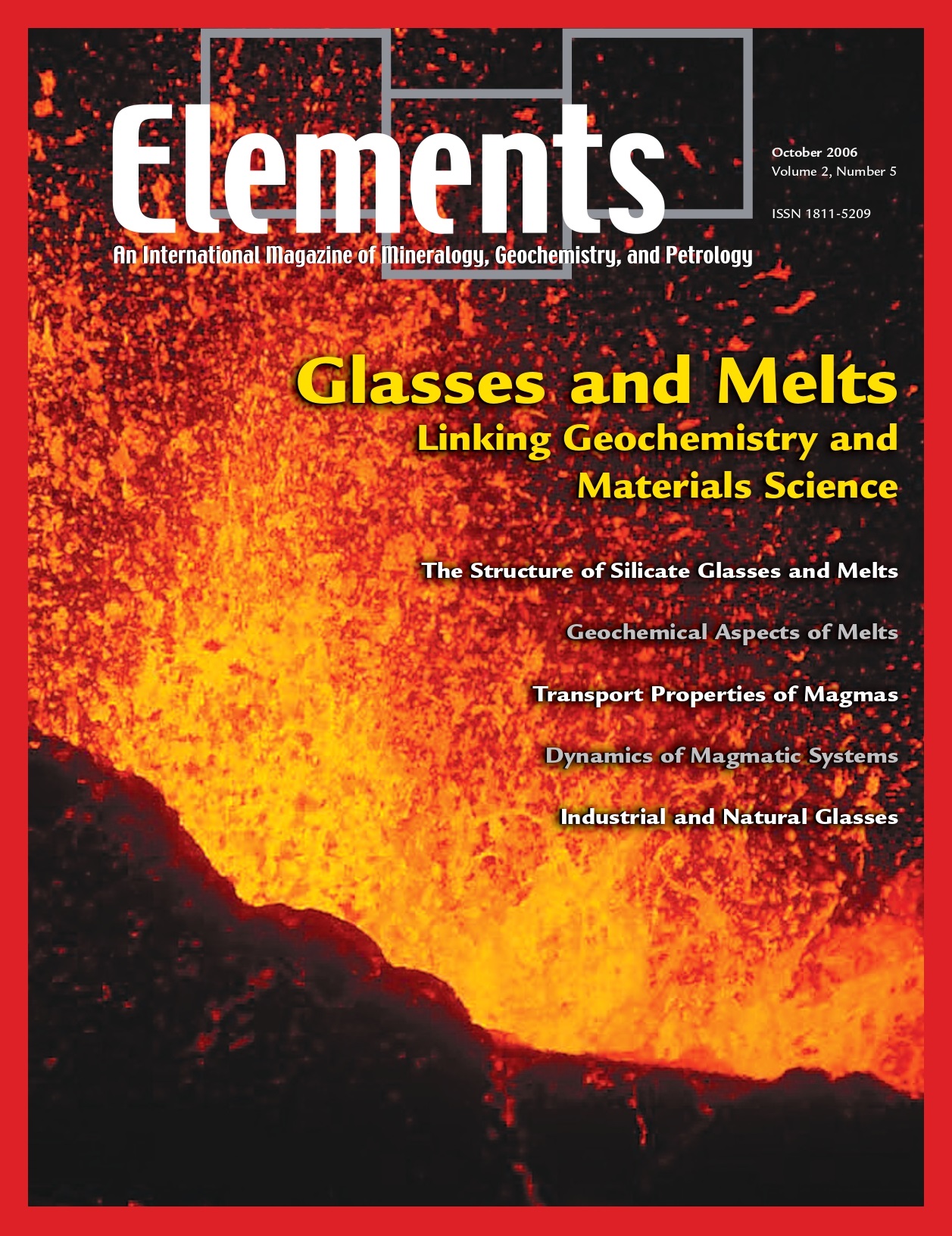
Glasses And Melts: Linking Geochemistry And Materials Science, October 2006, Vol. 2, No. 5
$20.00Geological interest in studying melts stems from early recognition that melts play a fundamental role in determining the physical and chemical behaviour of magmas and magmatic processes. However, due to the inherent difficulties associated with working at high temperatures, much of the geological research over the last 30 years has used quenched melts or glasses as proxies for melts themselves.
-
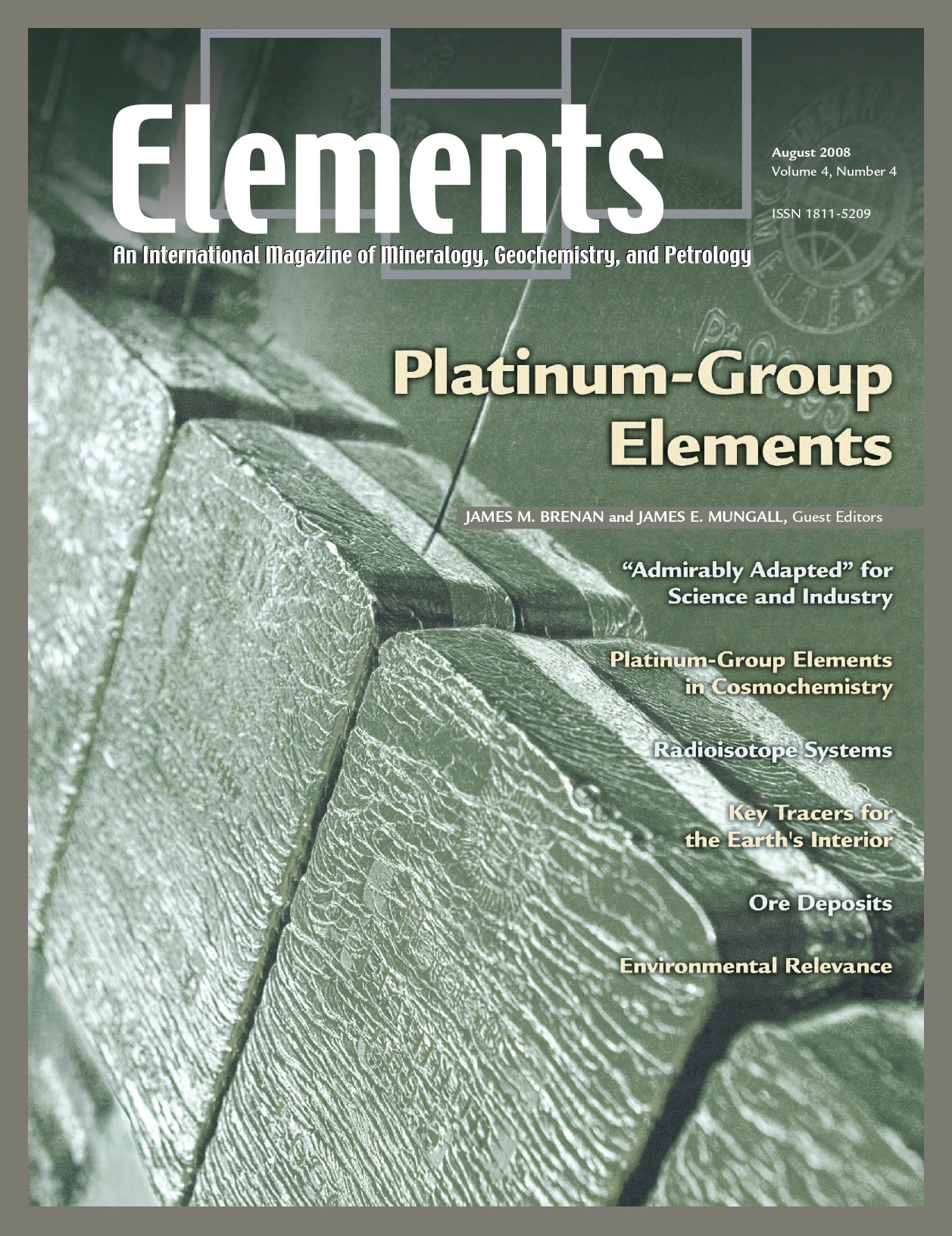
Platinum-Group Elements, August 2008, Vol. 4, No. 4
$20.00The geoscientific and economic significance of the PGE is immense. Due to their extreme siderophile and chalcophile behaviour, the PGE are highly sensitive tracers of geological processes involving metal and sulfide phases.