
Unisex organic mid-light t-shirt
May 9, 2025
Re-Os – Clock with Clout, August 2025, Vol. 21, No. 4
May 11, 2026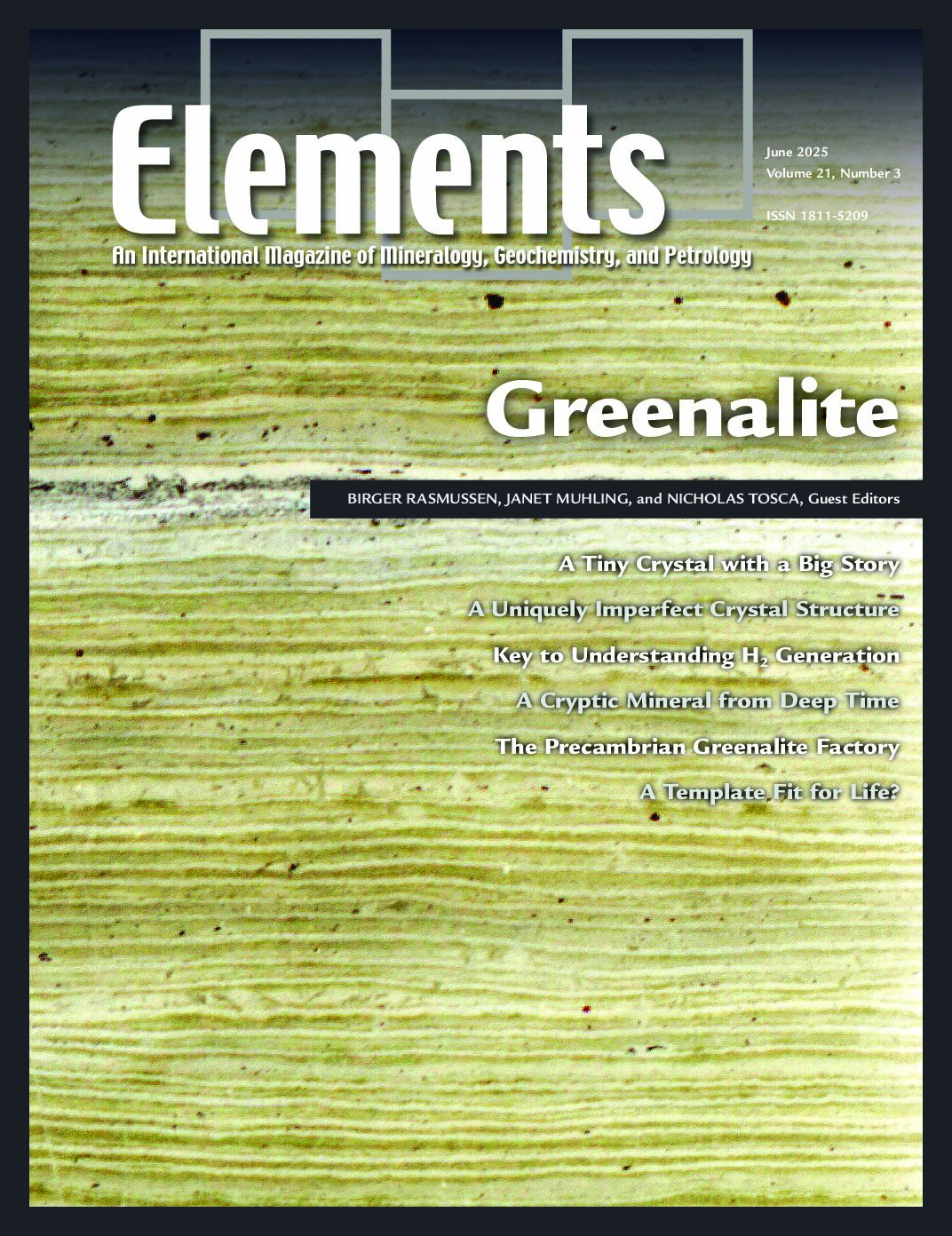
Greenalite – A Tiny Crystal with a Big Story , June 2025, Vol. 21, No. 3
$20.00
Greenalite [Fe3Si2O5(OH)4] is an iron-rich Fe(II)-serpentine mineral first identified in the Lake Superior iron formations more than a century ago. Today, with the help of advanced in-situ nanoscale imaging techniques, scientists are uncovering the true significance of this microscopic mineral in shaping Earth’s geological history. Recent research highlights nanoparticulate greenalite as a key contributor to the formation of early Precambrian banded iron formations (BIFs), offering new insights into the chemistry of ancient oceans and the evolution of the planet’s early atmosphere.
Greenalite – Unlocking the Secrets of Ancient Iron Formations
June 2025, Vol. 21, No. 3
Greenalite [Fe3Si2O5(OH)4] is an iron-rich Fe(II)-serpentine mineral first identified in the Lake Superior iron formations more than a century ago. Today, with the help of advanced in-situ nanoscale imaging techniques, scientists are uncovering the true significance of this microscopic mineral in shaping Earth’s geological history. Recent research highlights nanoparticulate greenalite as a key contributor to the formation of early Precambrian banded iron formations (BIFs), offering new insights into the chemistry of ancient oceans and the evolution of the planet’s early atmosphere.
Why You’ll Love Greenalite – Unlocking the Secrets of Ancient Iron Formations:
- Cutting-Edge Scientific Discoveries: Explore how modern nanoscale analytical techniques are transforming our understanding of greenalite and its geological importance.
- Ancient Earth Insights: Learn how greenalite played a crucial role in the formation of Precambrian banded iron formations and the development of Earth’s earliest marine environments.
- Detailed Mineralogical Exploration: Gain a deeper understanding of the structure, composition, and environmental significance of this fascinating Fe(II)-serpentine mineral.
Expand your geological knowledge and discover how one microscopic mineral is helping scientists rewrite the story of Earth’s earliest oceans and atmospheric evolution.
Related products
-
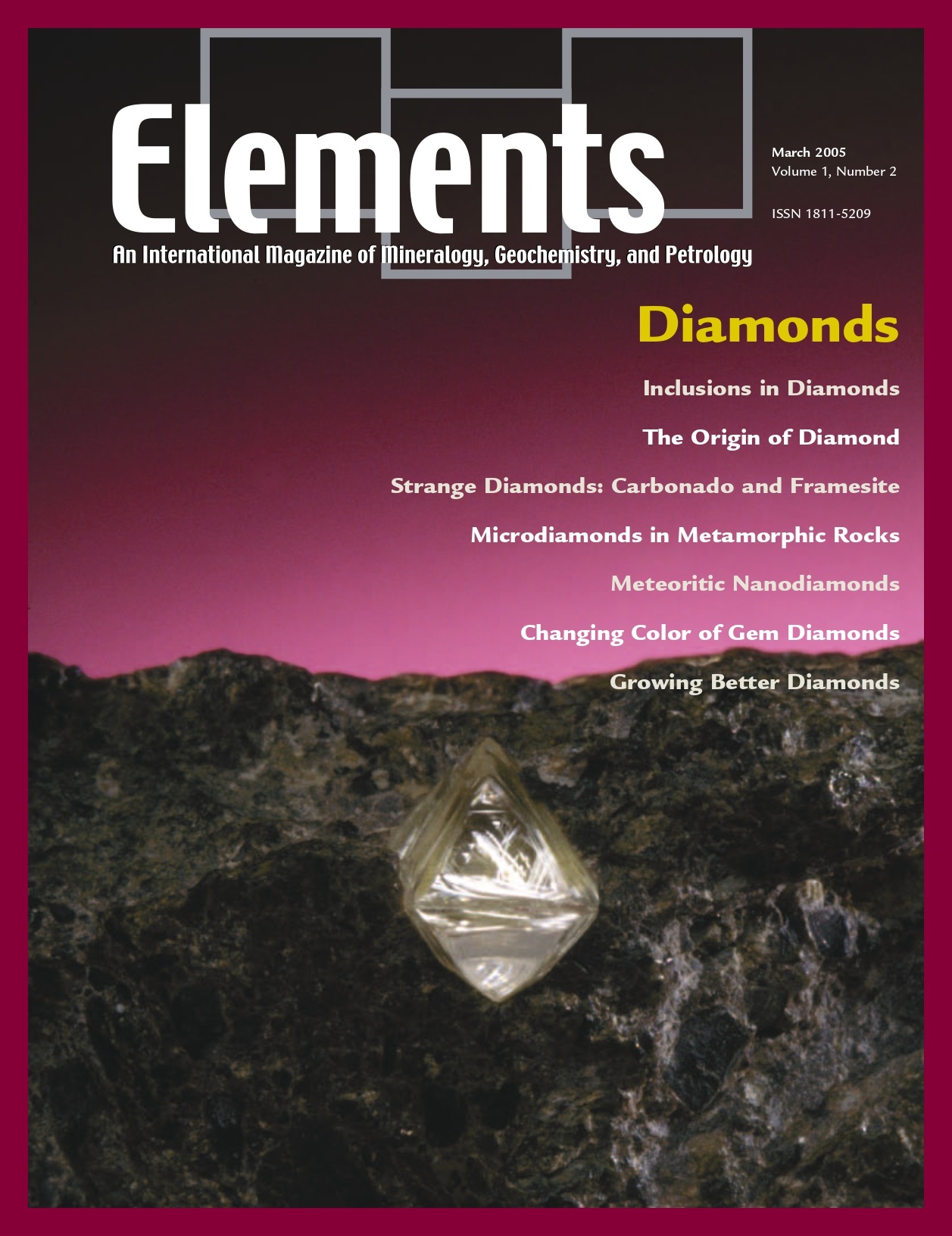
Diamonds, March 2005, Vol. 1, No. 2
$20.00Diamond, the fascinating ultrahard mineral, is the focus of considerable interest and scientific research. Recent advances particularly relevant to geoscientists include: diamond as a recorder of Earth processes from the perspective of inclusions, chemistry, and conditions of formation; synthesis for research applications and processing to modify color and physical properties, important to diamond gems and anvils; the implications of nanodiamonds from meteorites.
-
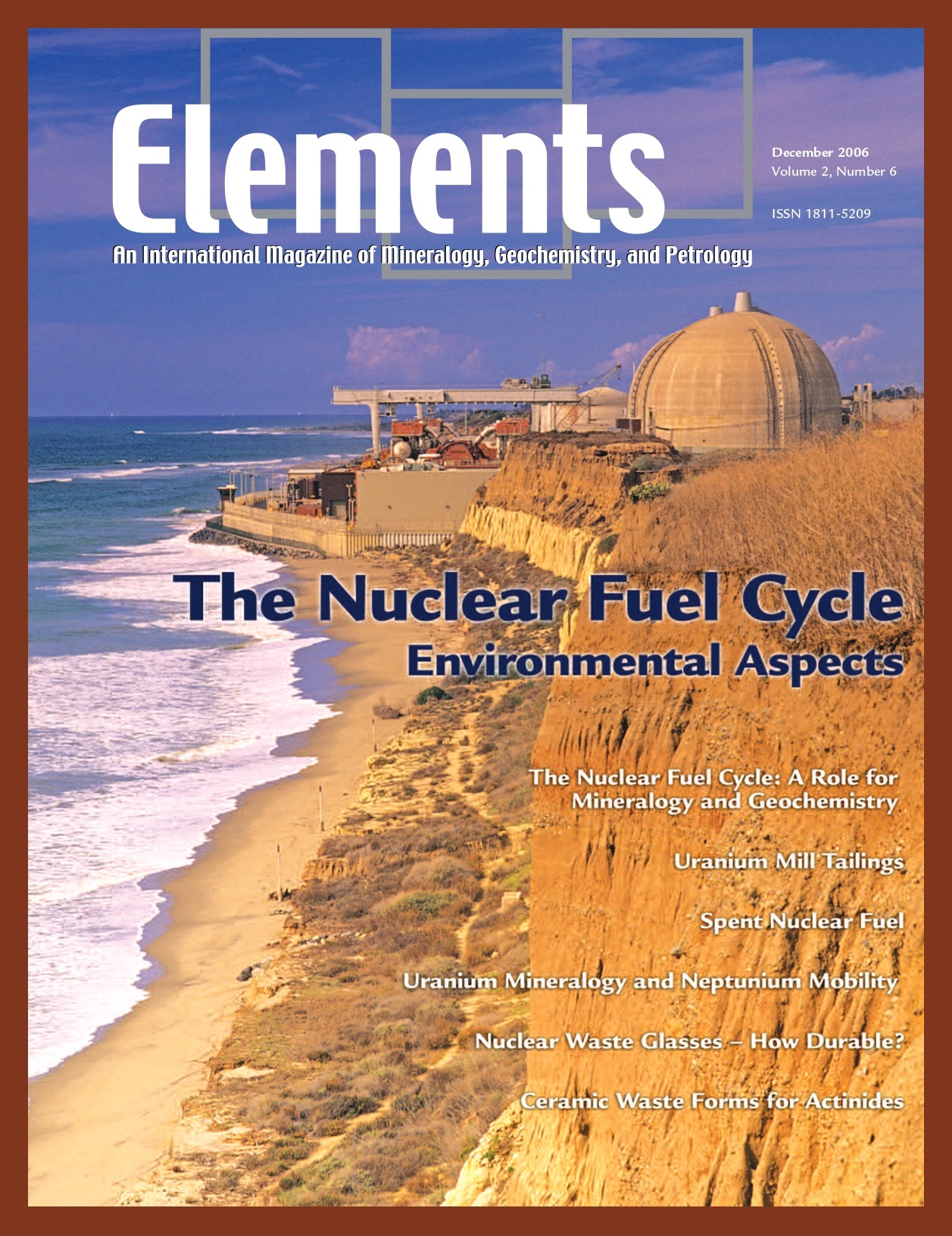
The Nuclear Fuel Cycle – Environmental Aspects, December 2006, Vol. 2, No. 6
$20.00Increasing concerns for the effects of global warming that result from rising greenhouse gas concentrations in the atmosphere have led to a reexamination, even enthusiasm, for nuclear power. Of all the current alternatives to fossil fuels, nuclear fission is the most important source of energy, accounting for 17 percent of the world’s electricity.
-
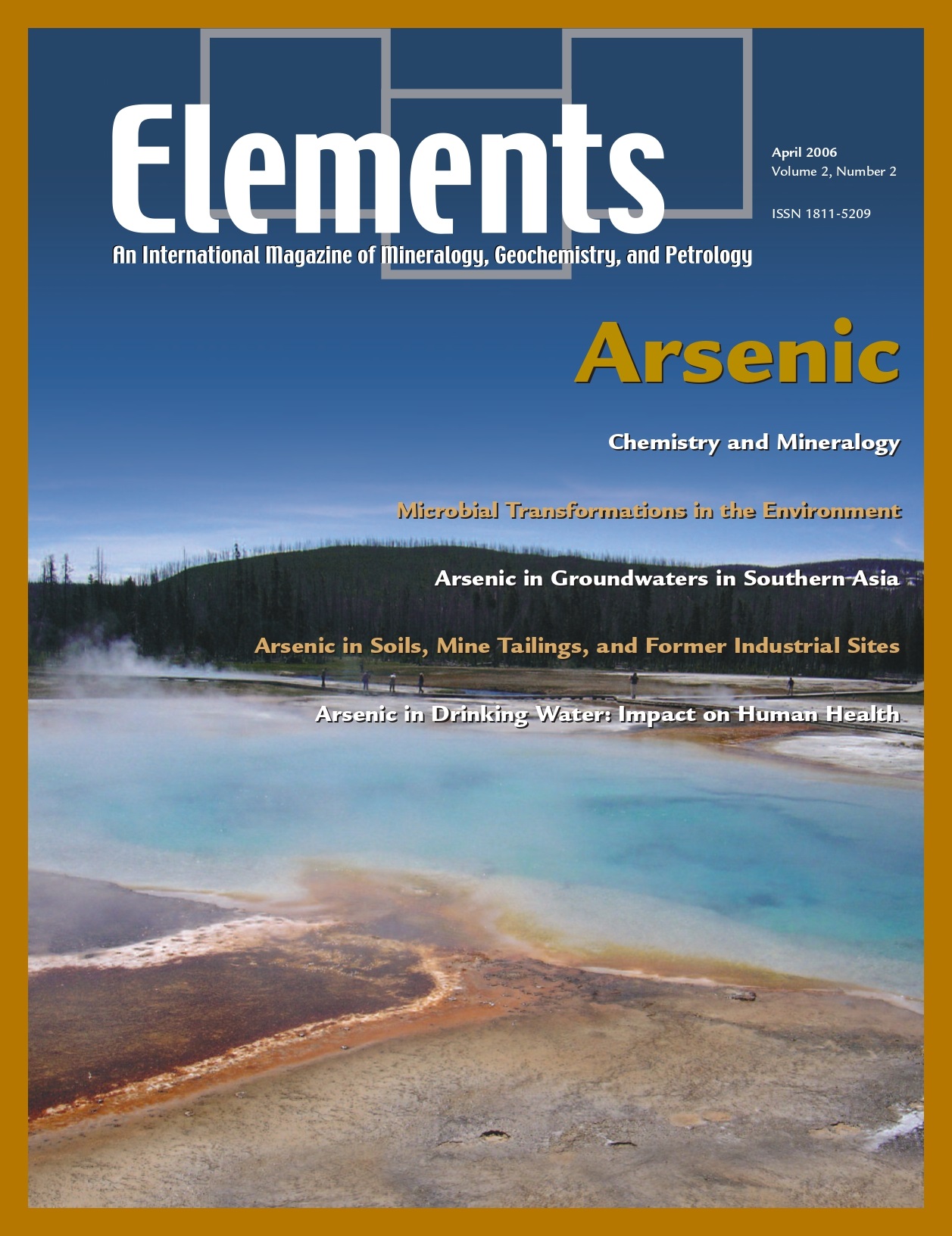
Arsenic, April 2006, Vol. 2, No. 2
$20.00Arsenic is an element known throughout history as a classic poison. Currently, very small but highly significant concentrations of this element in drinking water supplies are causing massive health problems to many millions of people in some of the world’s poorest nations, and more localised sources related to mining and processing are also a concern.