Toxic Metals In The Environment: The Role Of Surfaces, September 2005, Vol. 1, No. 4
June 28, 2024
Arsenic, April 2006, Vol. 2, No. 2
June 28, 2024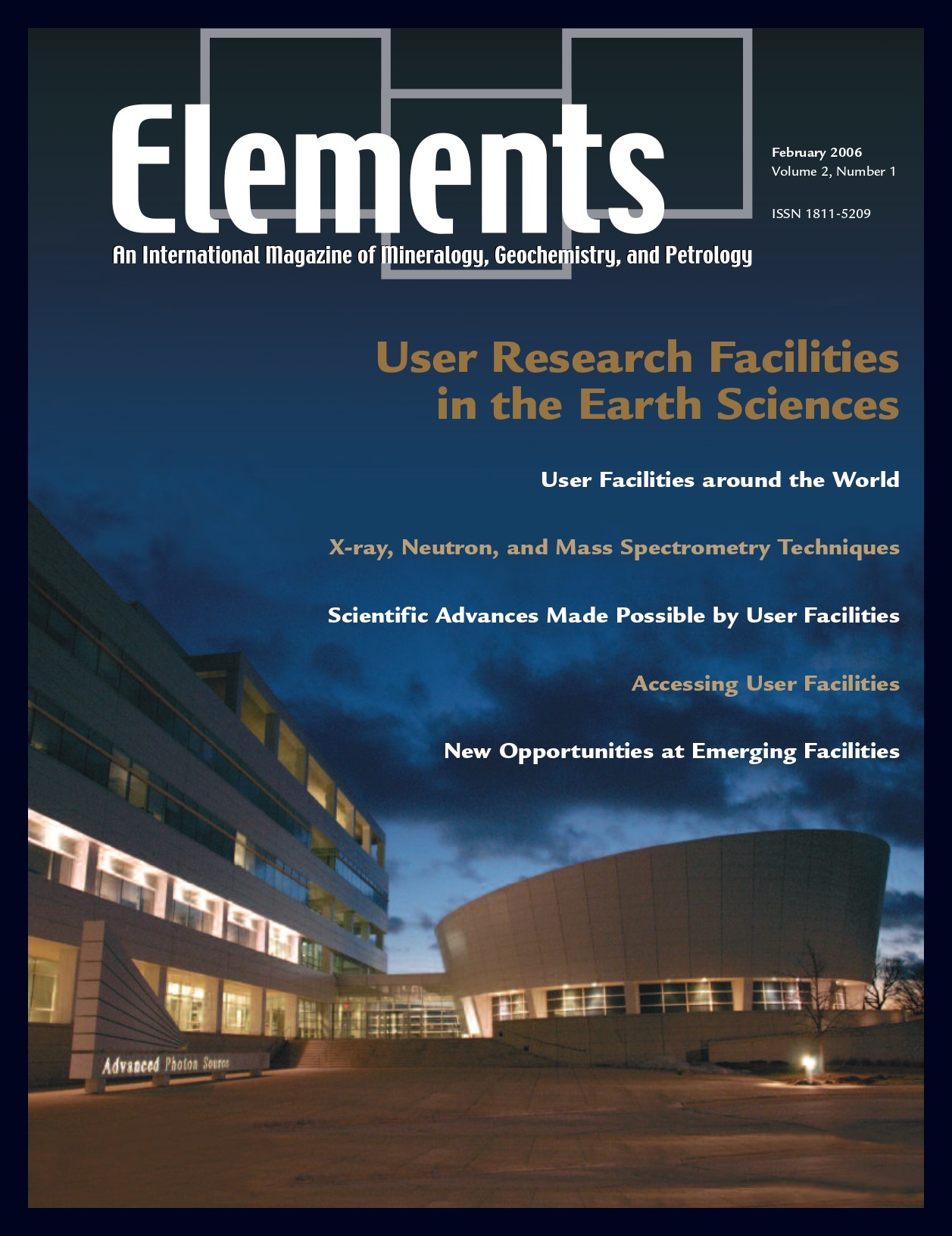
User Research Facilities In The Earth Sciences, February 2006, Vol. 2, No. 1
$20.00
Earth scientists rely on effective access to user research facilities that provide state-of-the-art analytical instrumentation. This thematic issue focuses on some of these facilities and how to use them.
User Research Facilities In The Earth Sciences
February 2006, Vol. 2, No. 1
Earth scientists rely on effective access to user research facilities that provide state-of-the-art analytical instrumentation. This thematic issue focuses on some of these facilities and how to use them. Aspects covered include scientific impact, types of facilities and analytical techniques currently available, procedures for gaining access to perform experiments, factors that enable effective usage, and future prospects, particularly in terms of how Earth scientists can best take advantage of new research facilities currently under design and construction.
Why You’ll Love Elements Magazine:
- Expert Contributors: Articles written by renowned researchers in the field of geoscience.
- Engaging Content: Join a community of readers who are passionate about Elements.
- Exceptional Quality: Each issue is printed on high-quality paper with stunning visuals and detailed illustrations that bring complex scientific concepts to life.
Order your copy of the February 2006 issue of Elements magazine today and discover the significance of user research facilities in the Earth sciences.
Related products
-
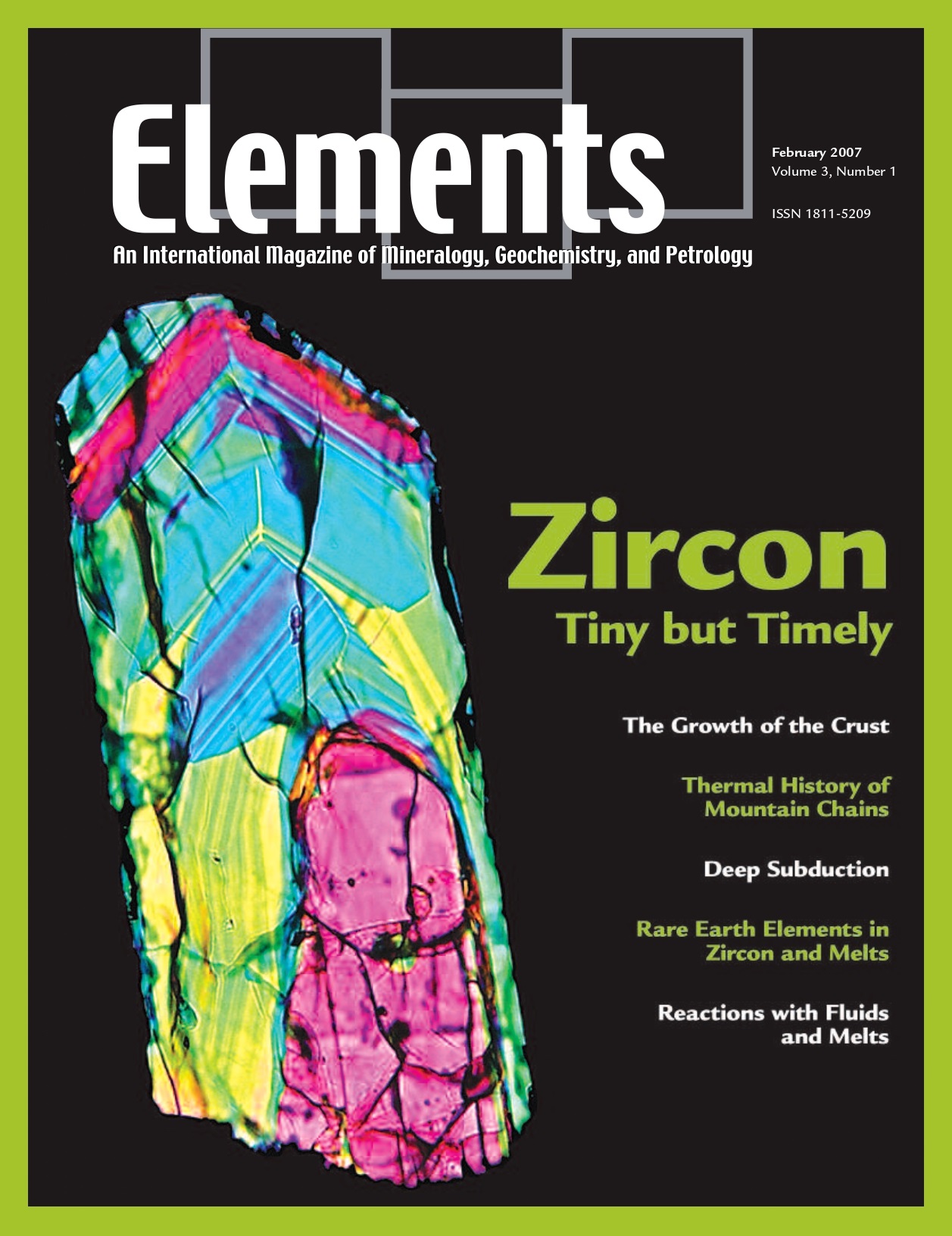
Zircon – Tiny But Timely, February 2007, Vol. 3, No. 1
$20.00Where would Earth science be without zircon? As Earth’s timekeeper, zircon has proven to be a remarkable and versatile mineral, providing insights into deep time and ancient Earth processes. However, there is still much to learn about Earth’s history from zircon and its behaviour.
-
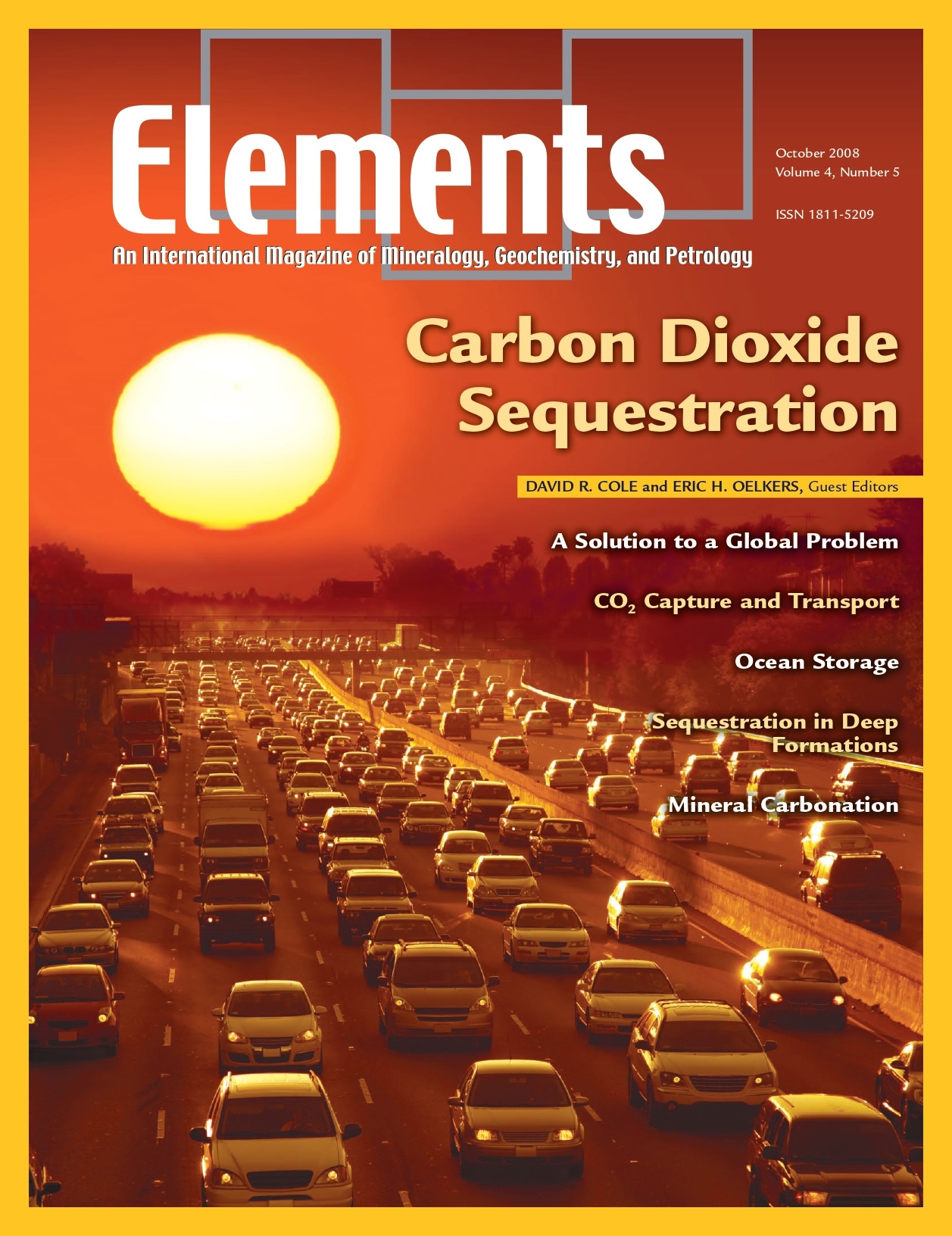
Carbon Dioxide Sequestration, October 2008, Vol. 4, No. 5
$20.00Storage of carbon in the subsurface involves introduction of supercritical CO2 into rock formations beneath the surface of the Earth, typically at depths of 1000 to 4000 meters. Although CO2 is a relatively benign substance, the volume being considered is large.
-
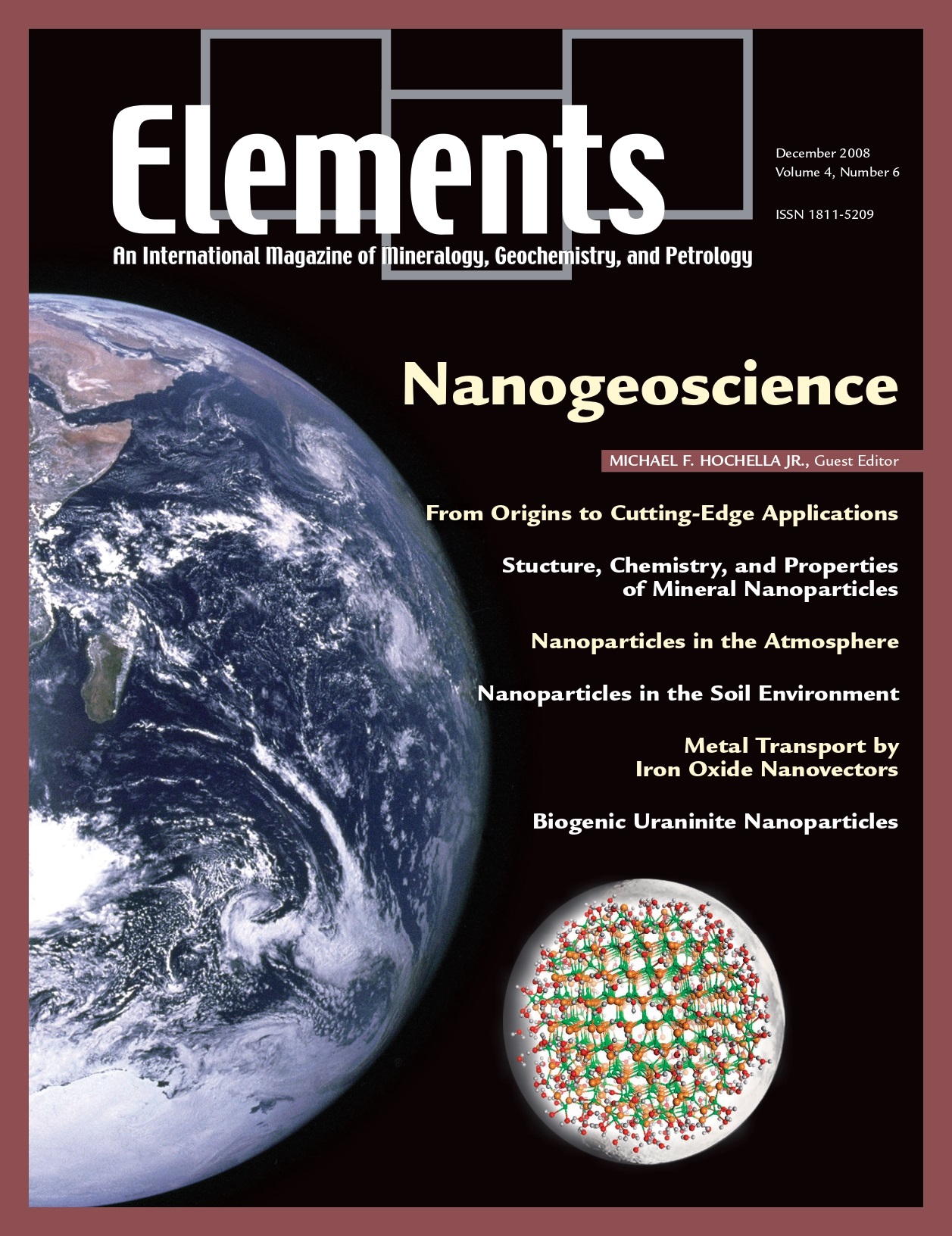
Nanogeoscience, December 2008, Vol. 4, No. 6
$20.00At first glance, nano and Earth seem about as far apart as one can imagine. Nanogeoscience seems to be a word connecting opposites.