Earth Sciences For Cultural Heritage, February 2016, Vol. 12, No. 1
June 28, 2024
Cosmic Dust, June 2016, Vol. 12, No. 3
June 28, 2024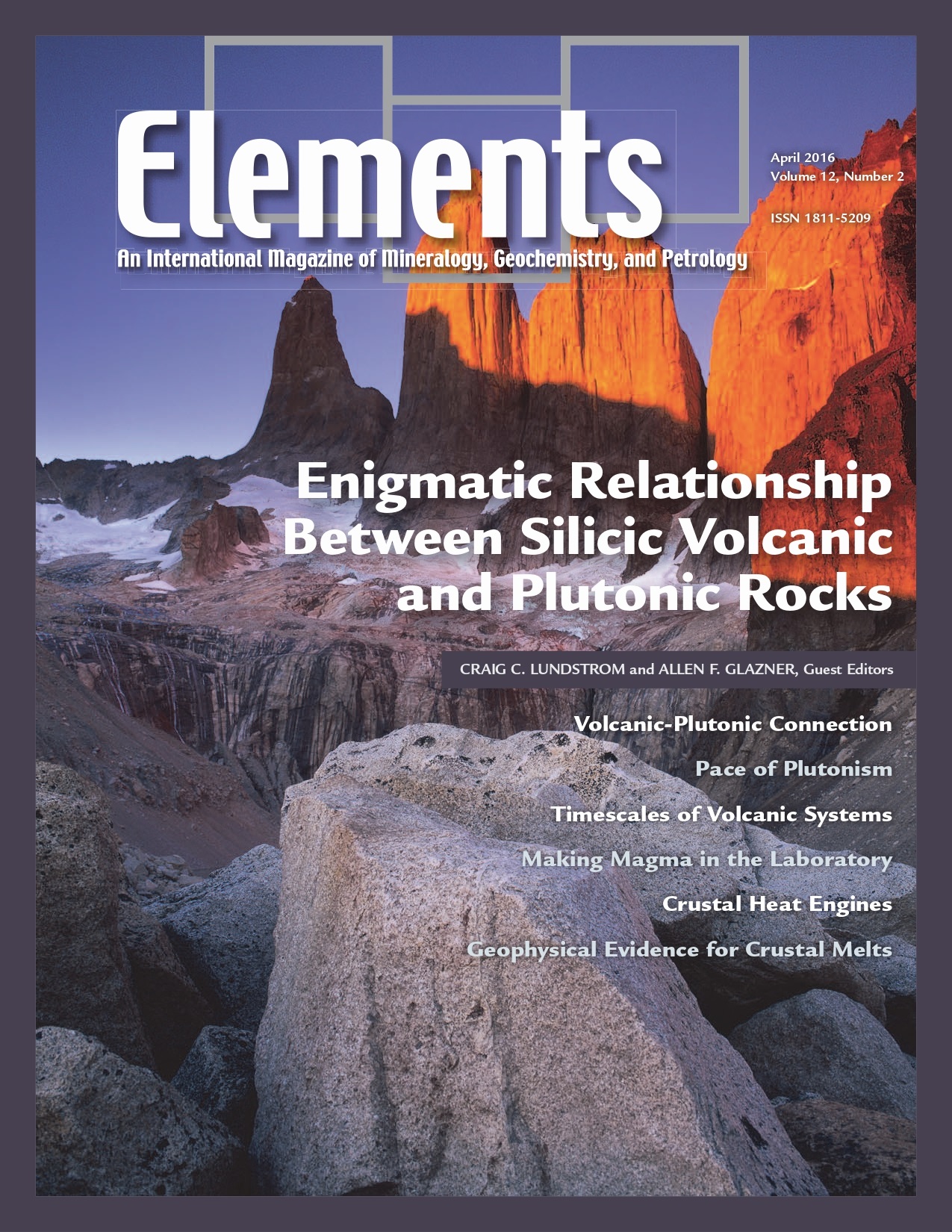
Enigmatic Relationship Between Silicic Volcanic And Plutonic Rocks, April 2016, Vol. 12, No. 2
$20.00
The relationship between silicic volcanic and plutonic rocks has long puzzled geologists. Although the compositional evolution for volcanic and plutonic rock suites are virtually identical, there is much debate whether rhyolites form as melt extracted from granite plutons or whether the two rock types reflect wholly separate origins.
Enigmatic Relationship Between Silicic Volcanic And Plutonic Rocks
April 2016, Vol. 12, No. 2
The relationship between silicic volcanic and plutonic rocks has long puzzled geologists. Although the compositional evolution for volcanic and plutonic rock suites are virtually identical, there is much debate whether rhyolites form as melt extracted from granite plutons or whether the two rock types reflect wholly separate origins. This issue discusses the broad set of observations from petrology, geochronology, thermal modeling, geophysical techniques, and geochemistry that lead to contradictory interpretations and no simple description for the relationship. Discerning how silicic volcanic and plutonic rocks are connected will affect important Earth science questions such as “how is continental crust formed?” and “can we predict supereruptions?”
Why You’ll Love Elements Magazine:
- Expert Contributors: Articles written by renowned researchers in the field of geoscience.
- Engaging Content: Join a community of readers who are passionate about Elements.
- Exceptional Quality: Each issue is printed on high-quality paper with stunning visuals and detailed illustrations that bring complex scientific concepts to life.
Order your copy of the April 2016 issue of Elements magazine today and delve into the enigmatic relationship between silicic volcanic and plutonic rocks.
Related products
-
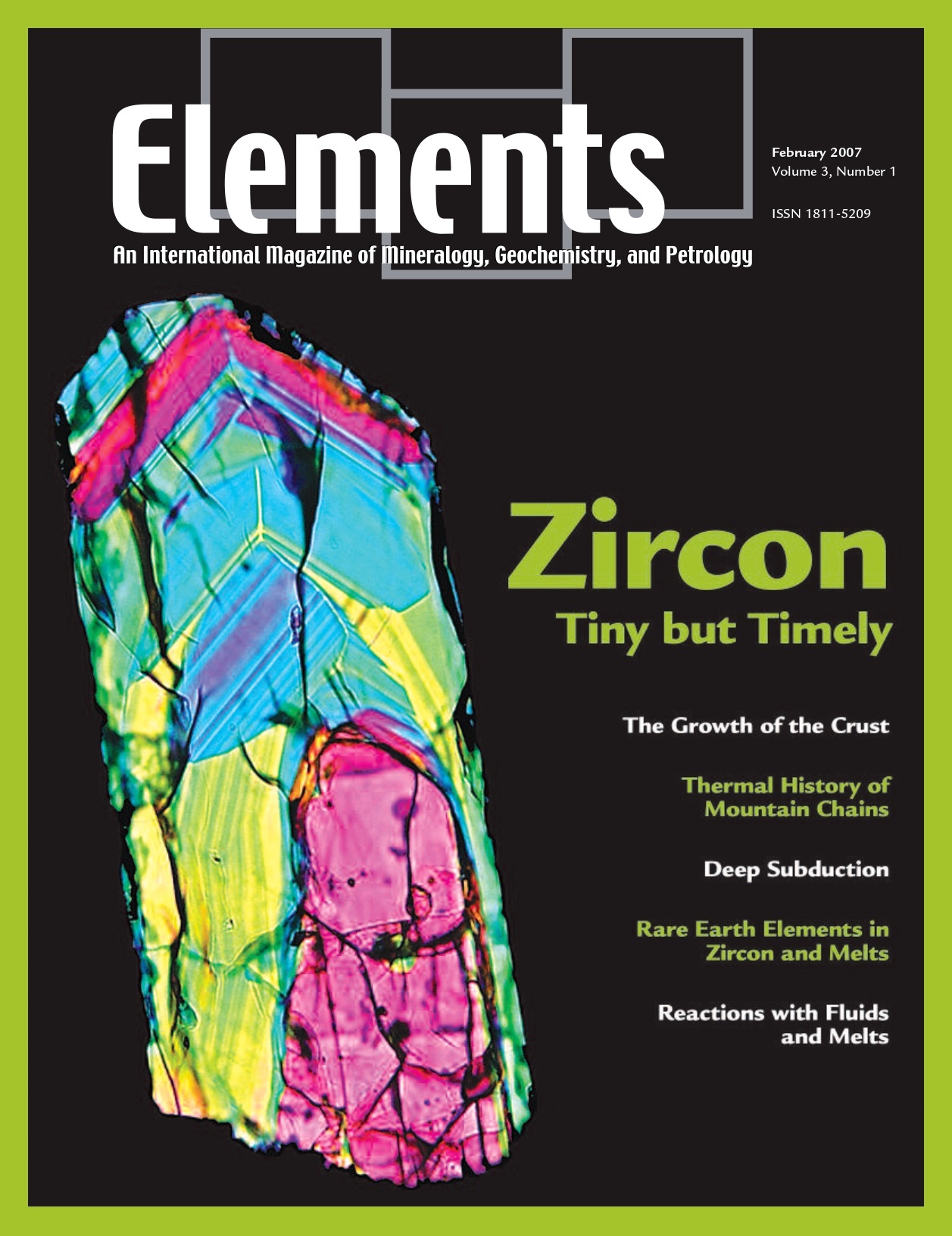
Zircon – Tiny But Timely, February 2007, Vol. 3, No. 1
$20.00Where would Earth science be without zircon? As Earth’s timekeeper, zircon has proven to be a remarkable and versatile mineral, providing insights into deep time and ancient Earth processes. However, there is still much to learn about Earth’s history from zircon and its behaviour.
-
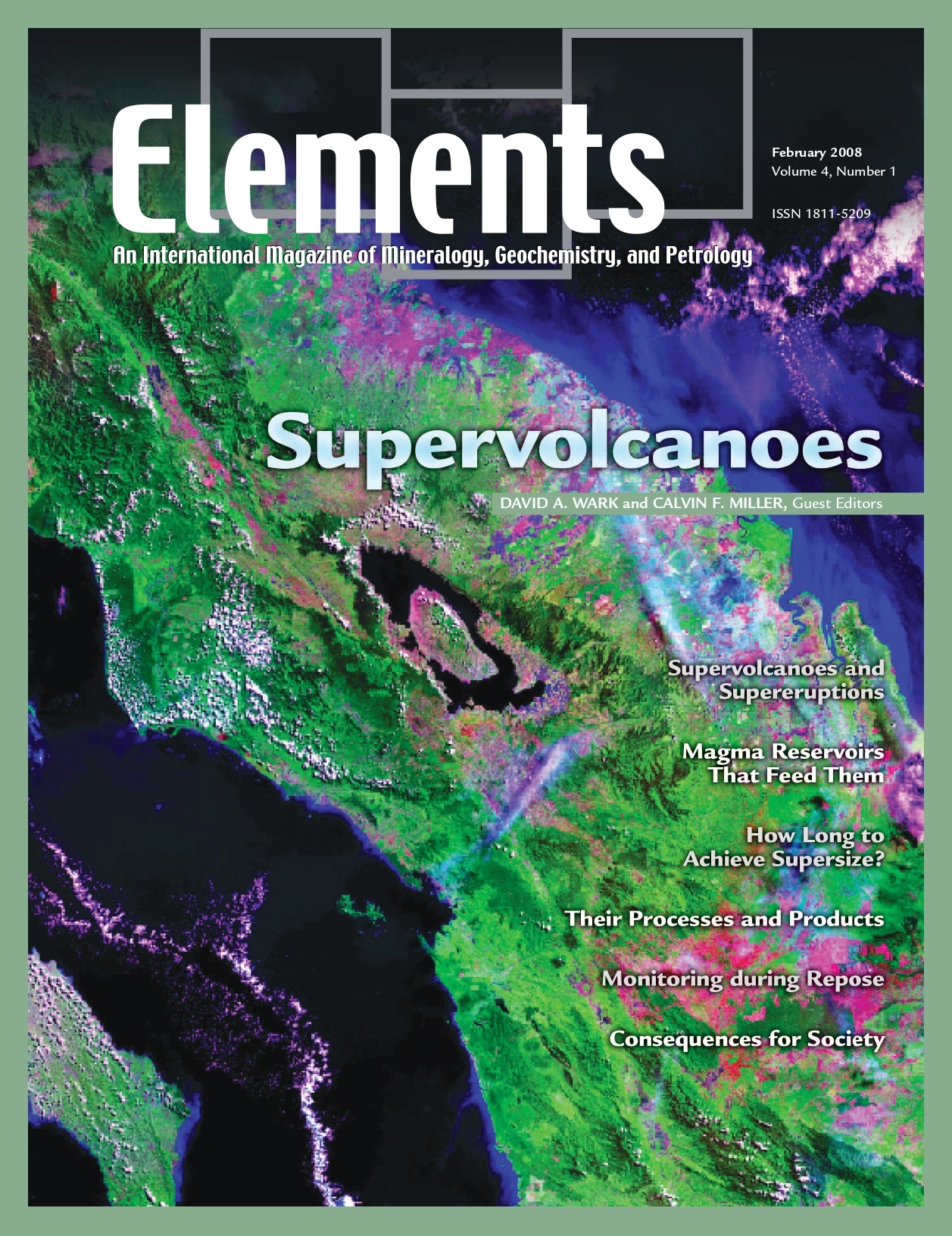
Supervolcanoes, February 2008, Vol. 4, No. 1
$20.00Explosive super-eruptions from large volume, shallow magma systems lead to enormous and devastating pyroclastic flows, the formation of gigantic collapse calderas, and deposition of volcanic ash over continent-sized areas. Recognition that future eruptions from these “supervolcanoes” will undoubtedly have severe impacts on society—and perhaps on life itself—has led to recent public and media interest.
-
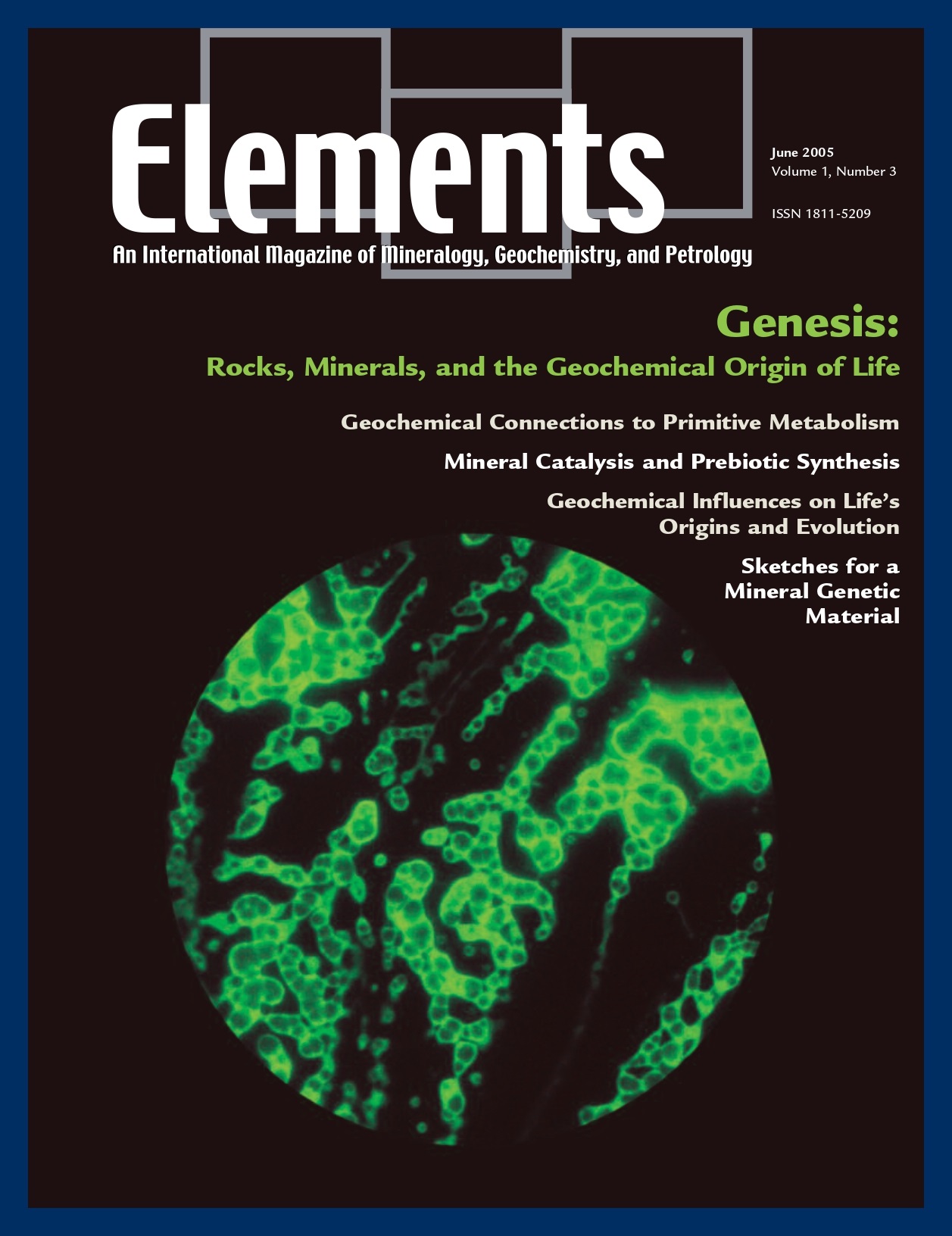
Genesis: Rocks, Minerals, And The Geochemical Origin Of Life, June 2005, Vol. 1, No. 3
$20.00Few scientific questions so capture the public imagination, or provoke such lively debate, as how life on Earth emerged. In this issue of Elements, four of the most creative minds in origins research present their original insights on the geochemical origins of life.