One Hundred Years Of Isotope Geochronology, February 2013, Vol. 9, No. 1
June 28, 2024
The Mineral–Water Interface, June 2013, Vol. 9, No. 3
June 28, 2024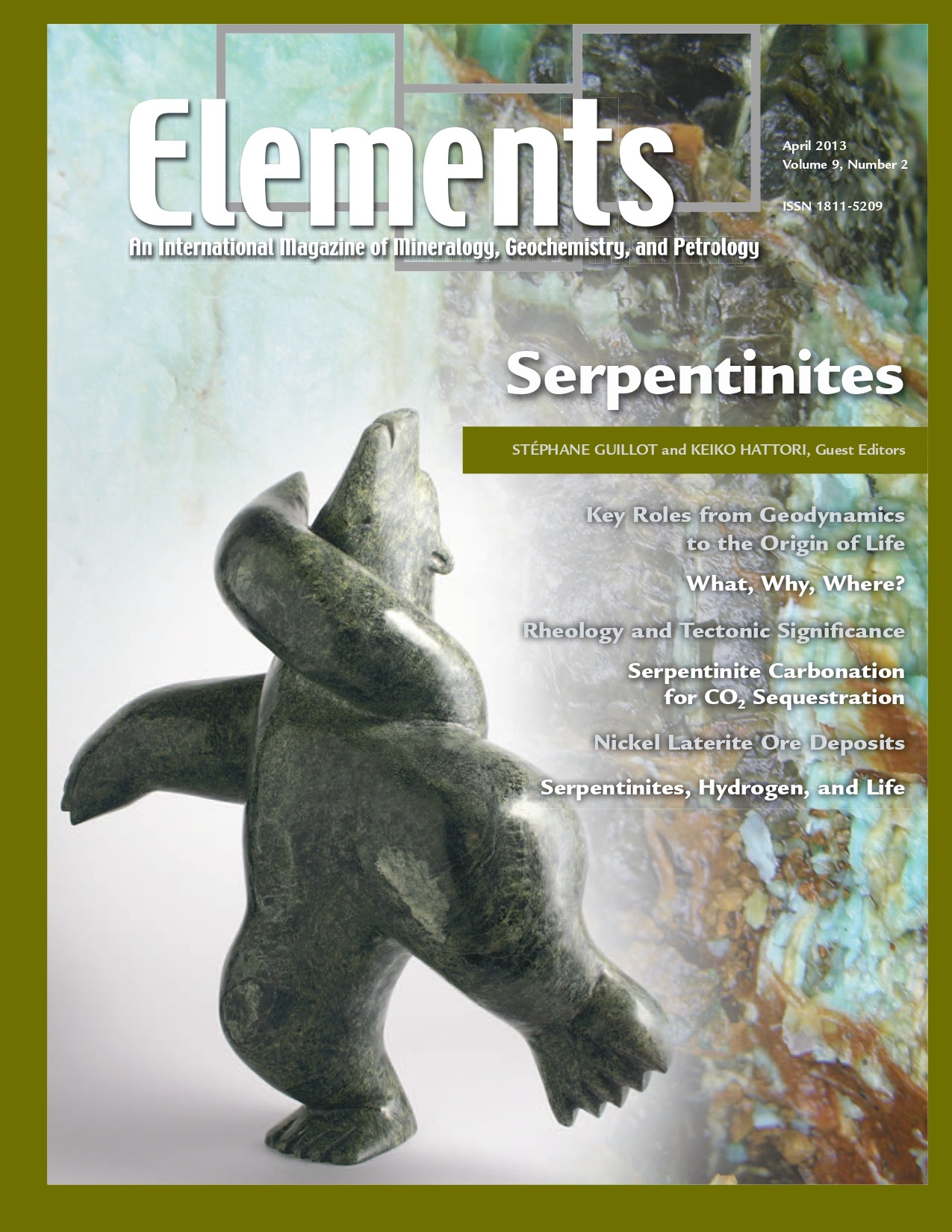
Serpentinites, April 2013, Vol. 9, No. 2
$20.00
Serpentinites, primarily composed of serpentine minerals and formed by hydration of peridotites, increasingly attract the attention of a wide range of scientists, including geophysicists, structural geologists, engineers, and astrobiologists. As serpentinites have wide stability fields, they form in a variety of environments, from the Earth’s surface to the interior of the mantle.
Serpentinites
April 2013, Vol. 9, No. 2
Serpentinites, primarily composed of serpentine minerals and formed by hydration of peridotites, increasingly attract the attention of a wide range of scientists, including geophysicists, structural geologists, engineers, and astrobiologists. As serpentinites have wide stability fields, they form in a variety of environments, from the Earth’s surface to the interior of the mantle. They are important as reservoirs of water in the deep mantle and in the recycling of elements in subduction zones. Because of their physical properties, serpentinites play important roles in seismic activity and geodynamics, including earthquakes in subduction zones, rifting, oceanic spreading, strike-slip faulting, and the exhumation of deeply subducted rocks. Serpentinites are also economically important because obducted serpentinites contain more than half the world’s reserves of nickel.
Why You’ll Love Elements Magazine:
- Expert Contributors: Articles written by renowned researchers in the field of geoscience.
- Engaging Content: Join a community of readers who are passionate about Elements.
- Exceptional Quality: Each issue is printed on high-quality paper with stunning visuals and detailed illustrations that bring complex scientific concepts to life.
Order your copy of the April 2013 issue of Elements magazine today and discover the world of serpentinites.
Related products
-
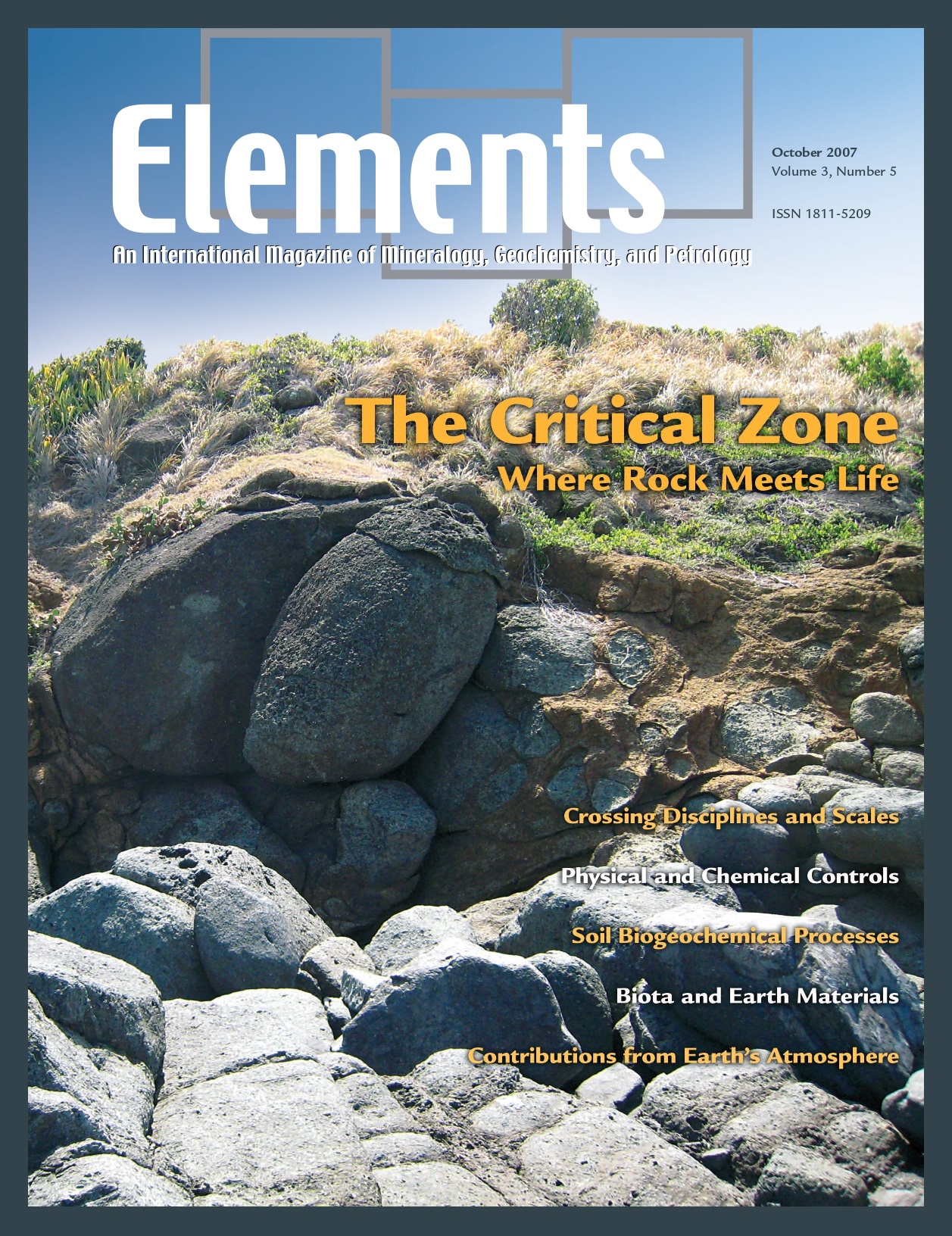
The Critical Zone, October 2007, Vol. 3, No. 5
$20.00The Critical Zone (CZ) encompasses all fluid, mineral, gaseous, and biotic components from the outer envelope of vegetation down to the lower limit of groundwater. It supports much of life on Earth.
-
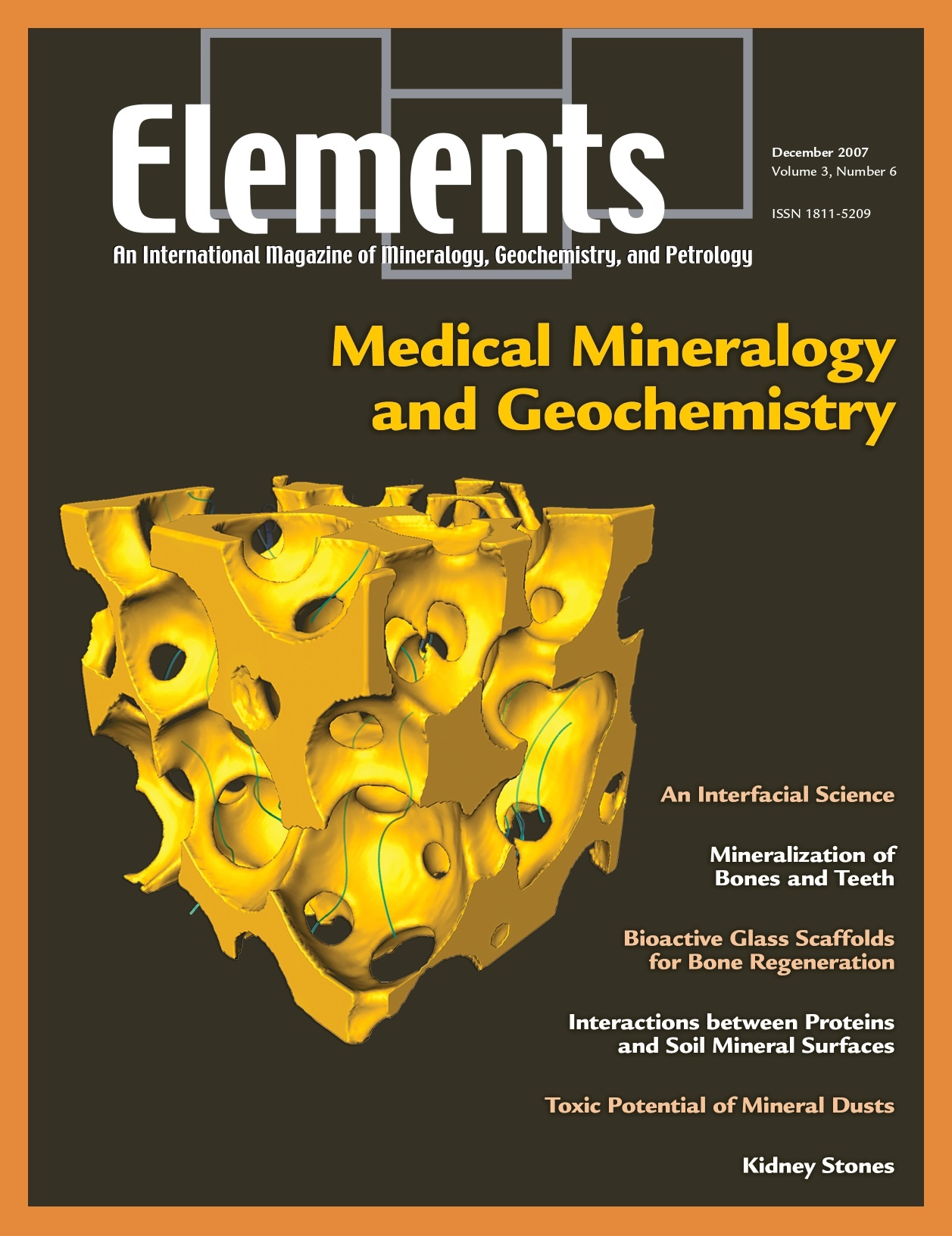
Medical Mineralogy And Geochemistry, December 2007, Vol. 3, No. 6
$20.00Medical mineralogy and geochemistry is an emergent, highly interdisciplinary field concerned with both normal and pathological interactions between minerals or amorphous inorganic solids and biomolecules or cells within the human body, and the transport and fate of prions and protein toxins in the soil environment. Prior research has, appropriately, focused on the complex genetic and molecular biological aspects, but there is a growing recognition of the vital need for understanding the surface and bulk properties and reactivities, especially at the challenging nanoscale characteristic of biomacromolecules and biominerals.
-
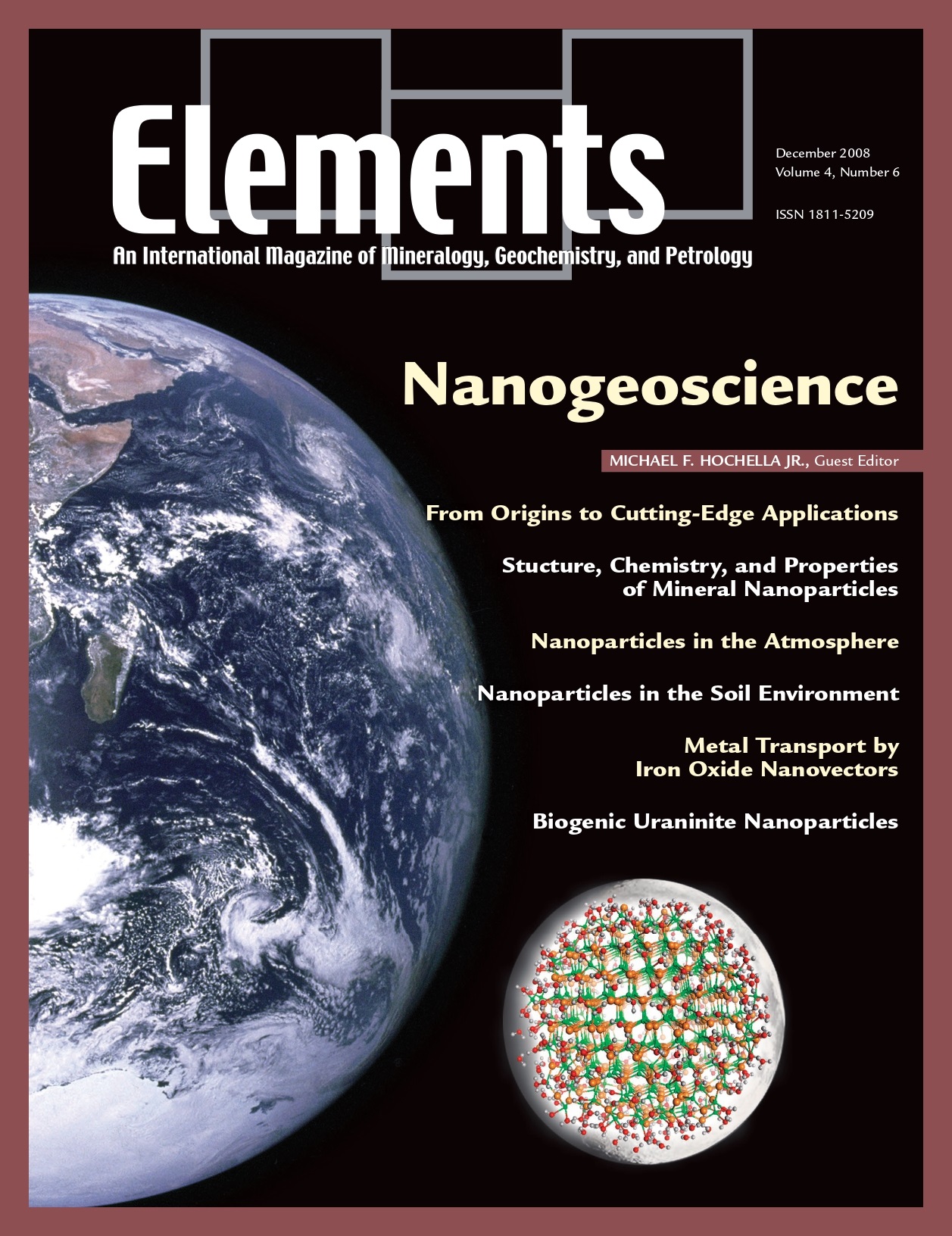
Nanogeoscience, December 2008, Vol. 4, No. 6
$20.00At first glance, nano and Earth seem about as far apart as one can imagine. Nanogeoscience seems to be a word connecting opposites.