
Volcanoes: From Mantle To Surface, February 2017, Vol. 13, No. 1
June 28, 2024
Rock And Mineral Coatings, June 2017, Vol. 13, No. 3
June 28, 2024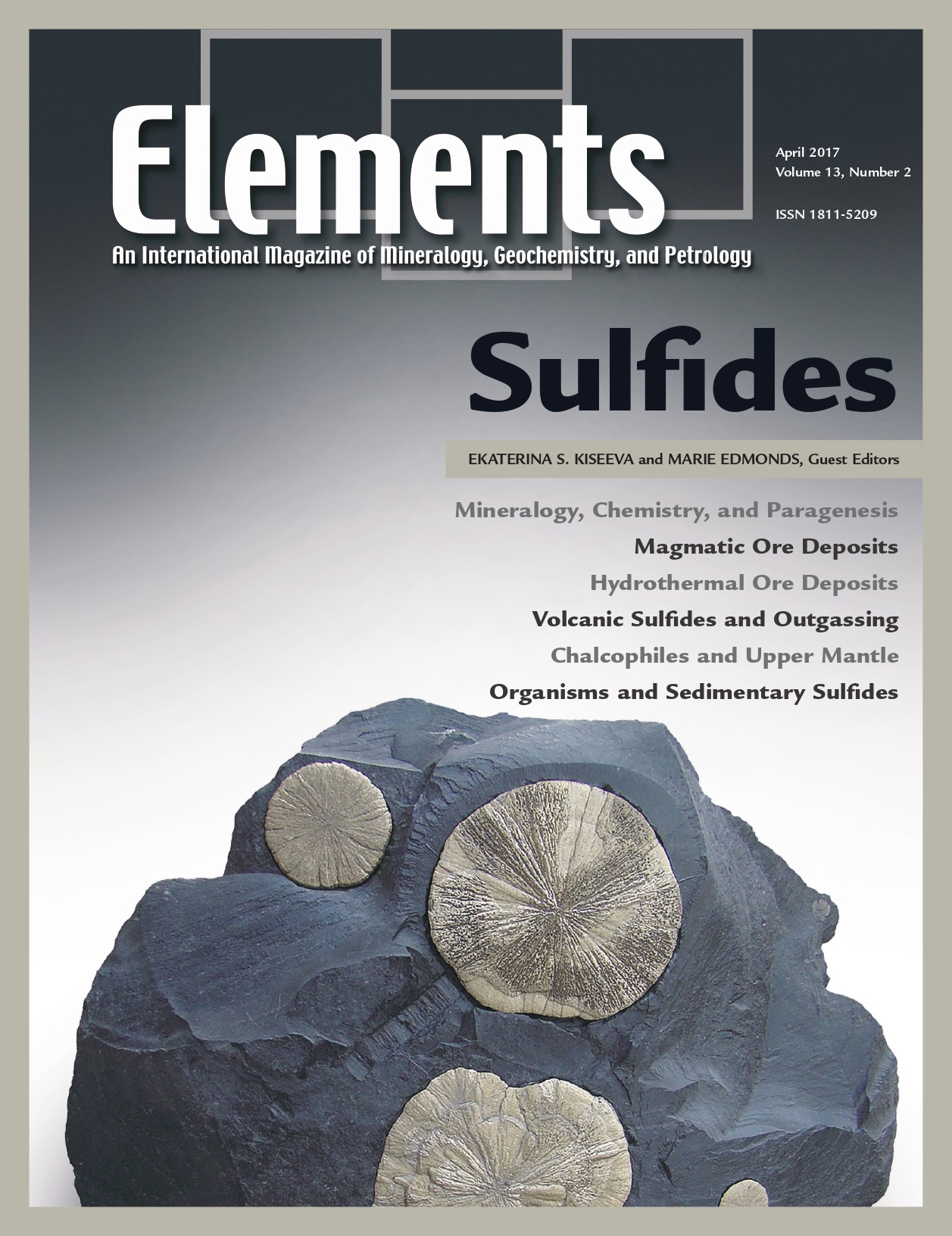
Sulphides, April 2017, Vol. 13, No. 2
$20.00
Despite the bulk silicate Earth only containing 250 parts per million of sulphur, sulphide minerals and liquids have a powerful impact on the behaviour and fractionation of a wide range of elements in the Earth’s crust and underlying mantle. According to the V.
Sulphides
April 2017, Vol. 13, No. 2
Despite the bulk silicate Earth only containing 250 parts per million of sulphur, sulphide minerals and liquids have a powerful impact on the behaviour and fractionation of a wide range of elements in the Earth’s crust and underlying mantle. According to the V. M. Goldschmidt classification, in the periodic table there are 18 chalcophile elements that have affinity for sulphur and form sulphides. Besides the chalcophile elements, a large number of siderophile elements are also found in nature in association with sulphides. This issue focuses on the broad topics of magmatic and volcanogenic sulphide deposits, the behaviour of sulphides during mantle melting and volcanism, and the mineralogy of sulphides and sedimentary sulphides and their role in the early development of the biosphere.
Why You’ll Love Elements Magazine:
- Expert Contributors: Articles written by renowned researchers in the field of geoscience.
- Engaging Content: Join a community of readers who are passionate about Elements.
- Exceptional Quality: Each issue is printed on high-quality paper with stunning visuals and detailed illustrations that bring complex scientific concepts to life.
Order your copy of the April 2017 issue of Elements magazine today and explore sulphides.
Related products
-
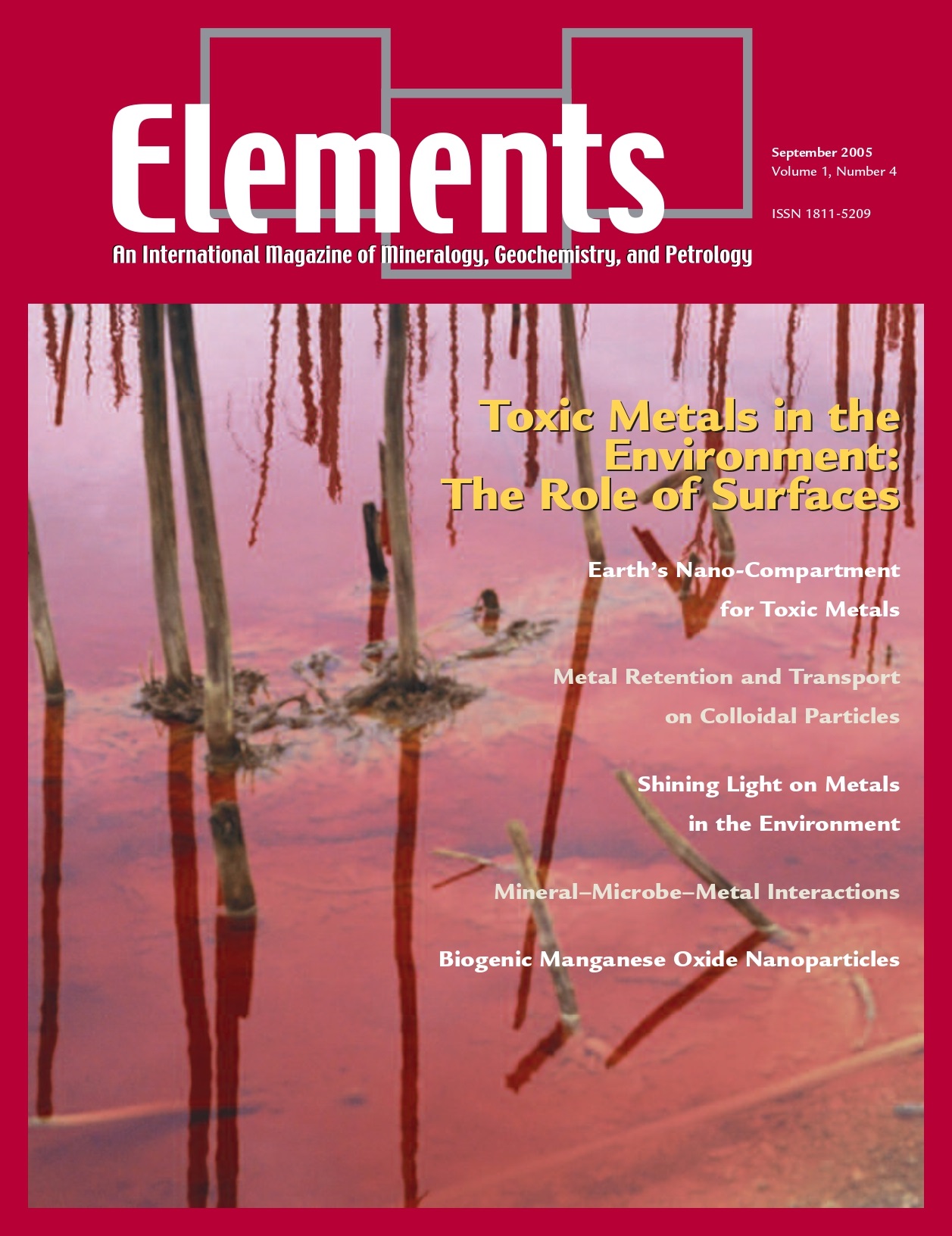
Toxic Metals In The Environment: The Role Of Surfaces, September 2005, Vol. 1, No. 4
$20.00Metals are prevalent in the environment. They are derived from both natural and anthropogenic sources.
-
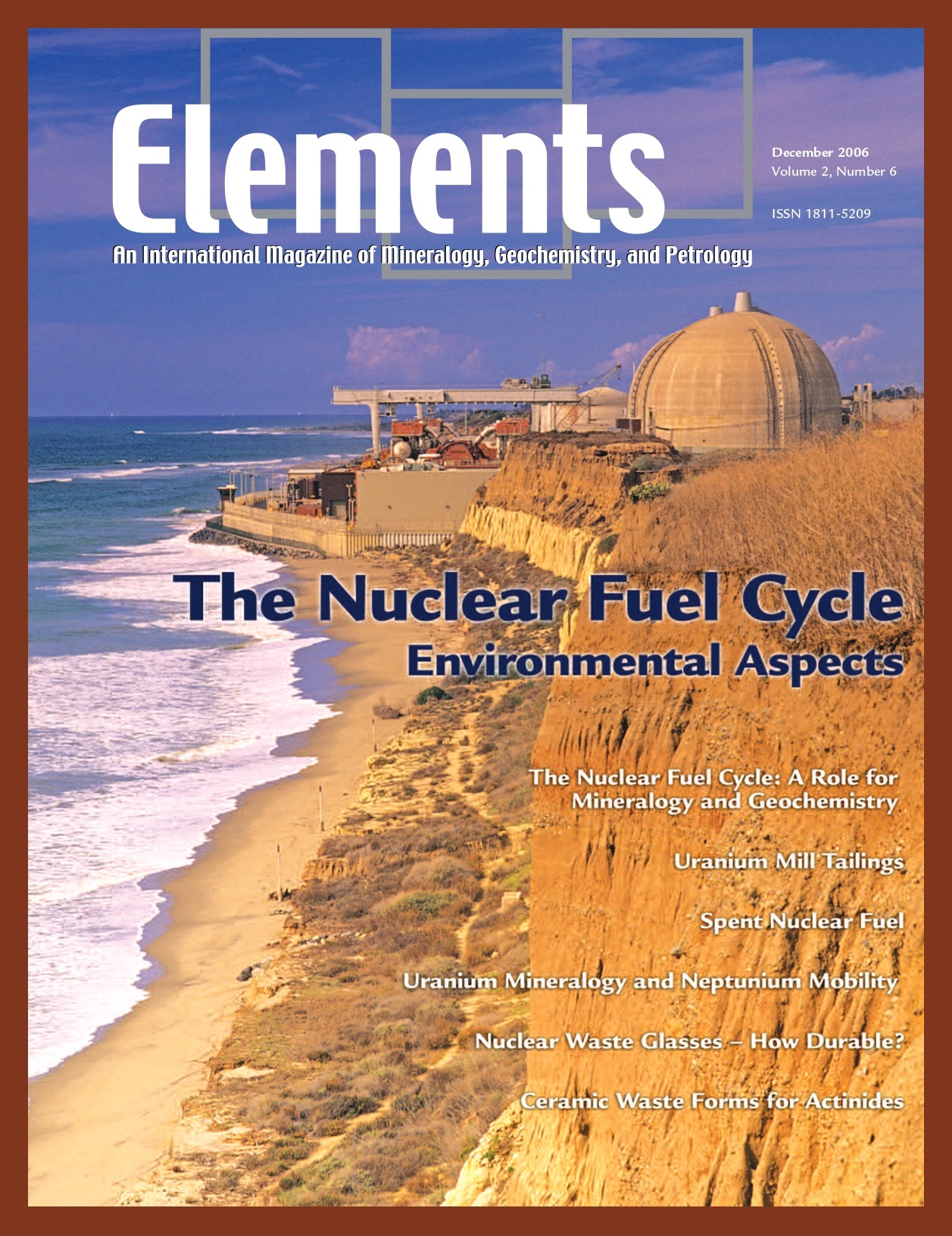
The Nuclear Fuel Cycle – Environmental Aspects, December 2006, Vol. 2, No. 6
$20.00Increasing concerns for the effects of global warming that result from rising greenhouse gas concentrations in the atmosphere have led to a reexamination, even enthusiasm, for nuclear power. Of all the current alternatives to fossil fuels, nuclear fission is the most important source of energy, accounting for 17 percent of the world’s electricity.
-
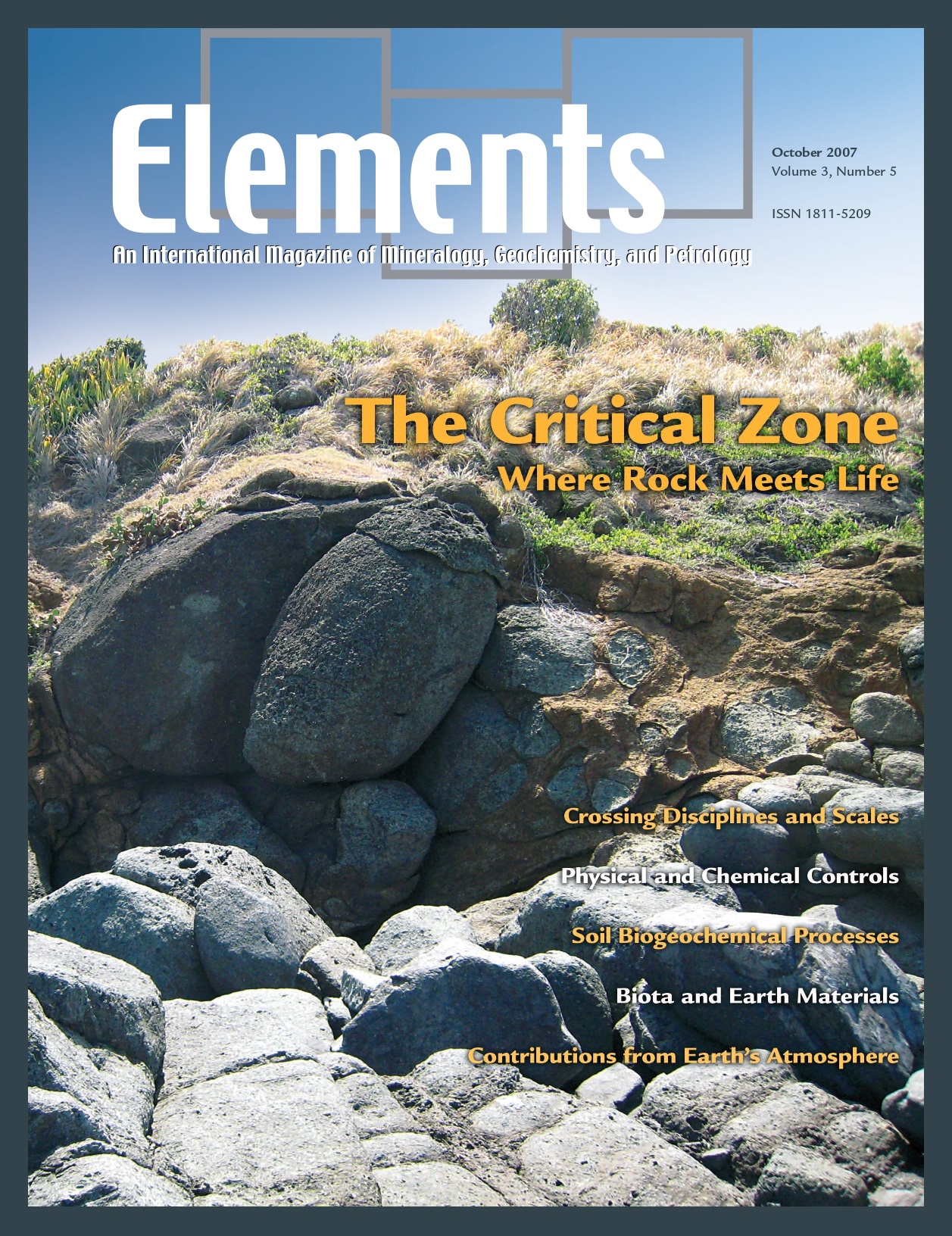
The Critical Zone, October 2007, Vol. 3, No. 5
$20.00The Critical Zone (CZ) encompasses all fluid, mineral, gaseous, and biotic components from the outer envelope of vegetation down to the lower limit of groundwater. It supports much of life on Earth.