Origins Of Life: Transition From Geochemistry To Biogeochemistry, December 2016, Vol. 12, No. 6
June 28, 2024
Sulphides, April 2017, Vol. 13, No. 2
June 28, 2024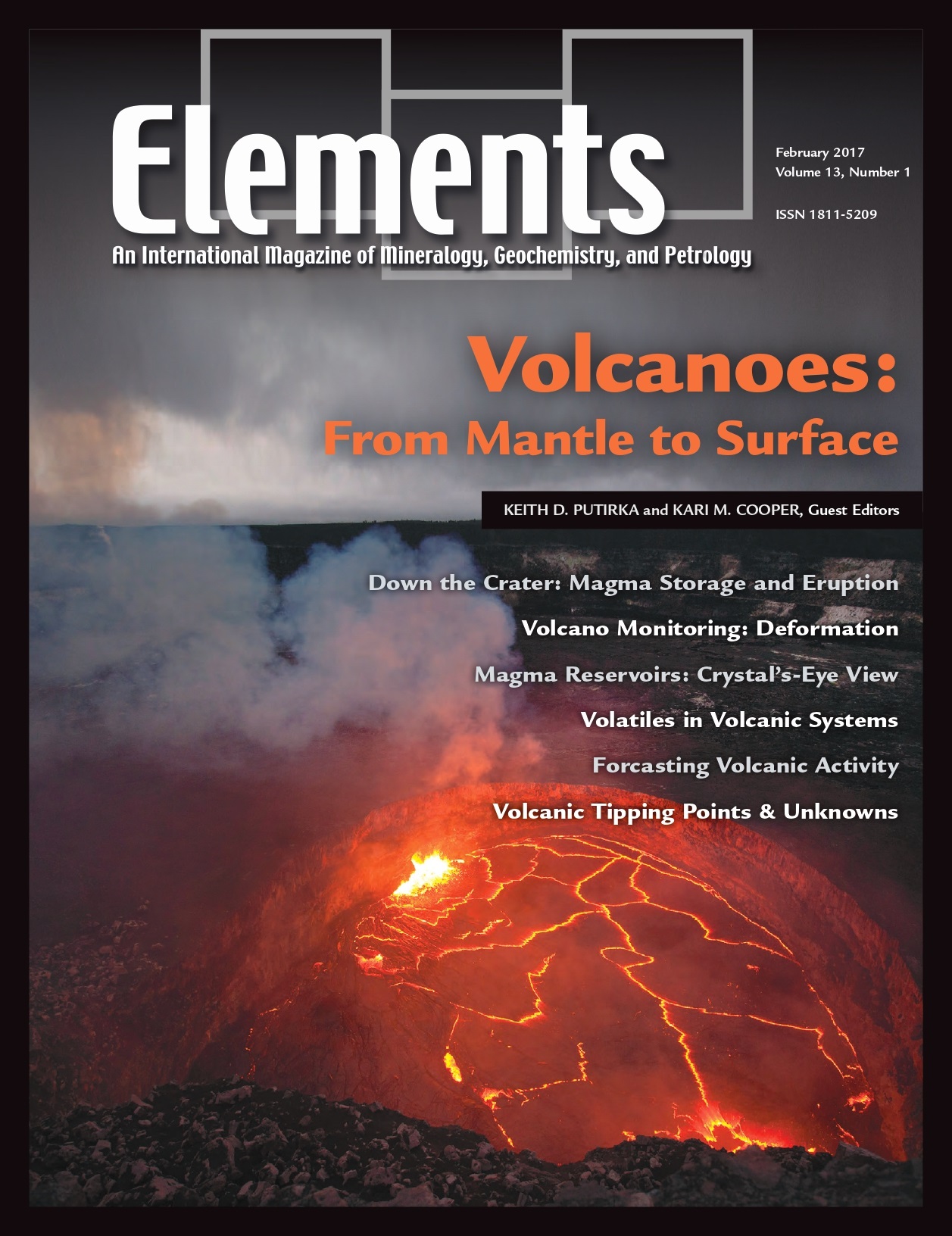
Volcanoes: From Mantle To Surface, February 2017, Vol. 13, No. 1
$20.00
Volcanoes have played a large role over Earth’s history in building the crust, contributing to atmospheric formation, and transferring heat and mass from the interior to the surface. They are also capable of massive disruption of the surface environment and to human civilizations.
Volcanoes: From Mantle To Surface
February 2017, Vol. 13, No. 1
Volcanoes have played a large role over Earth’s history in building the crust, contributing to atmospheric formation, and transferring heat and mass from the interior to the surface. They are also capable of massive disruption of the surface environment and to human civilizations. Volcanoes themselves are the products of crustal-scale systems. But what controls whether a given magma will erupt or stall, and how do processes in one part of the system affect others? Volcano science is advancing rapidly, and improvements in monitoring tools, petrologic tools, and modeling of volcanic processes have greatly improved our understanding of volcanic behavior. This issue brings together contributions exploring volcanic behavior throughout the crustal system.
Why You’ll Love Elements Magazine:
- Expert Contributors: Articles written by renowned researchers in the field of geoscience.
- Engaging Content: Join a community of readers who are passionate about Elements.
- Exceptional Quality: Each issue is printed on high-quality paper with stunning visuals and detailed illustrations that bring complex scientific concepts to life.
Order your copy of the February 2017 issue of Elements magazine today and delve into volcanoes: from mantle to surface.
Related products
-
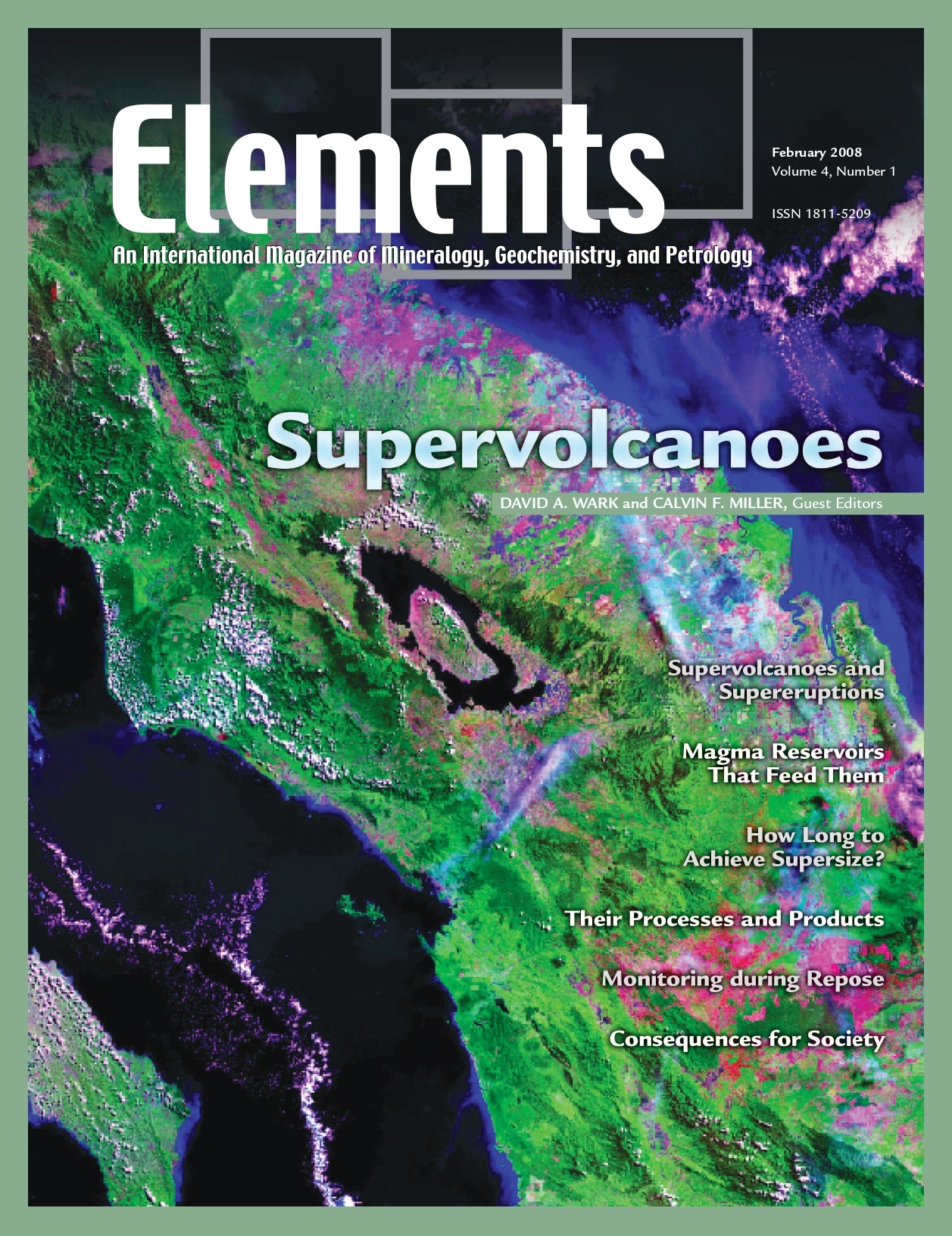
Supervolcanoes, February 2008, Vol. 4, No. 1
$20.00Explosive super-eruptions from large volume, shallow magma systems lead to enormous and devastating pyroclastic flows, the formation of gigantic collapse calderas, and deposition of volcanic ash over continent-sized areas. Recognition that future eruptions from these “supervolcanoes” will undoubtedly have severe impacts on society—and perhaps on life itself—has led to recent public and media interest.
-
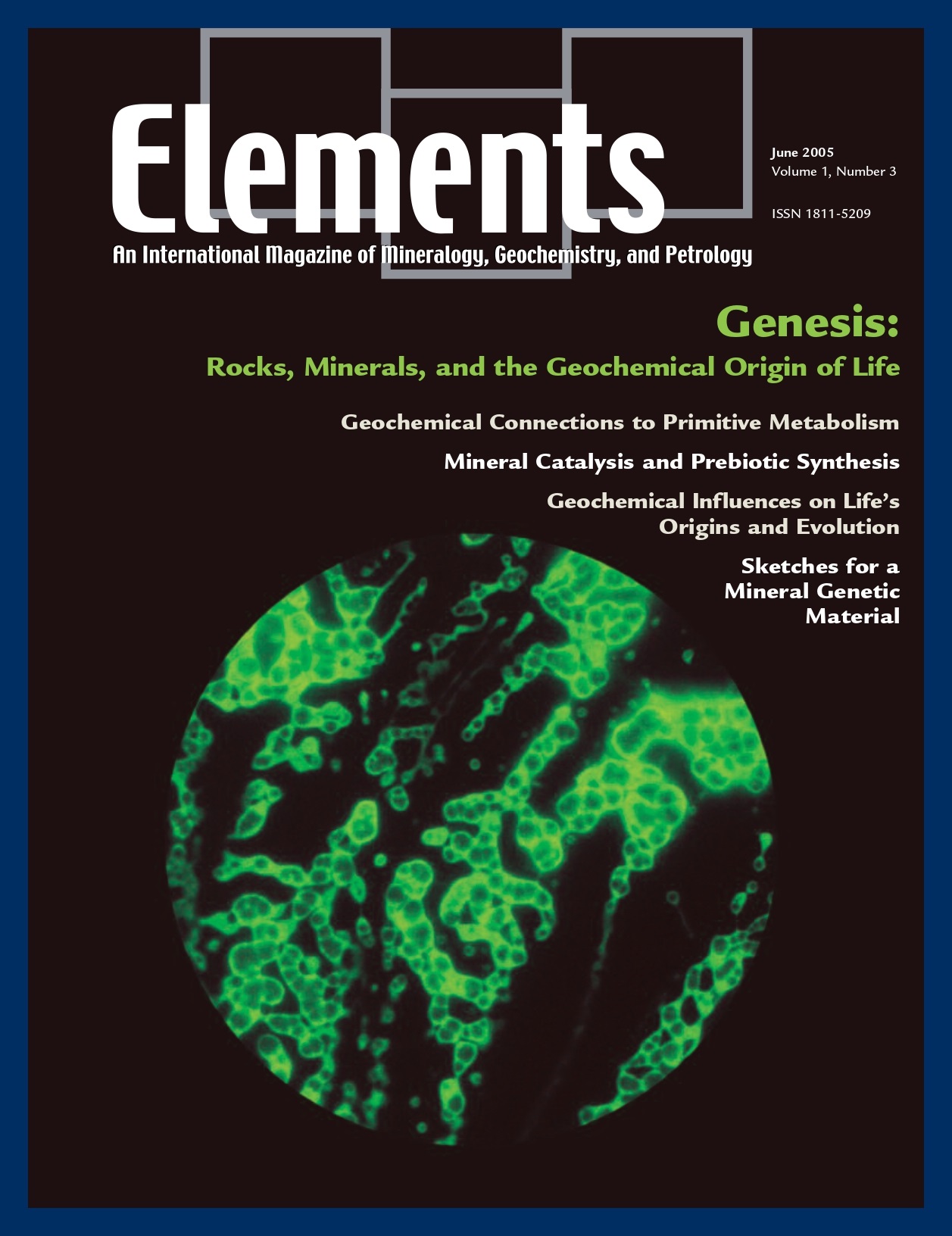
Genesis: Rocks, Minerals, And The Geochemical Origin Of Life, June 2005, Vol. 1, No. 3
$20.00Few scientific questions so capture the public imagination, or provoke such lively debate, as how life on Earth emerged. In this issue of Elements, four of the most creative minds in origins research present their original insights on the geochemical origins of life.
-
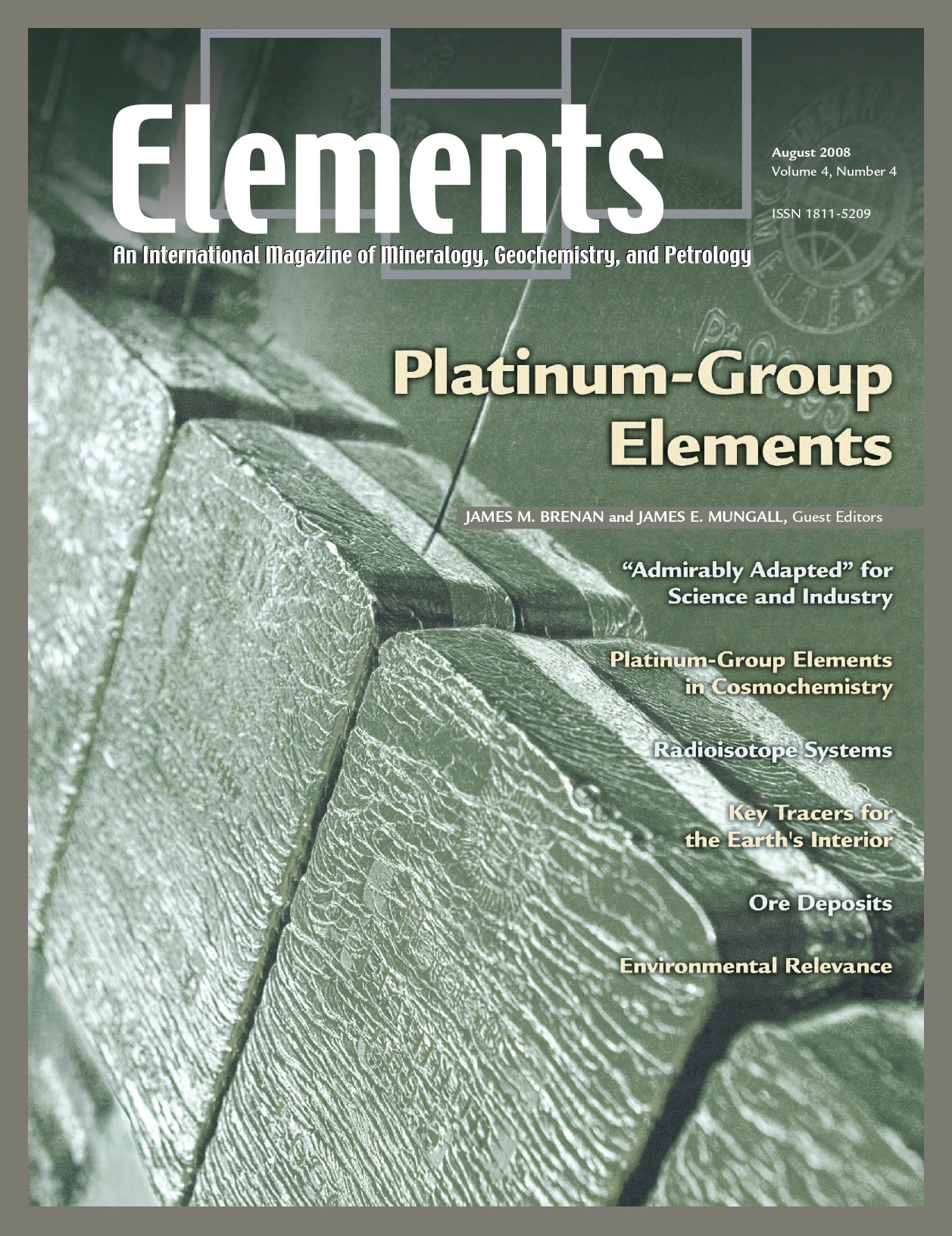
Platinum-Group Elements, August 2008, Vol. 4, No. 4
$20.00The geoscientific and economic significance of the PGE is immense. Due to their extreme siderophile and chalcophile behaviour, the PGE are highly sensitive tracers of geological processes involving metal and sulfide phases.