Fluids In Metamorphism, June 2010, Vol. 6, No. 3
June 28, 2024
Thermodynamics Of Earth Systems, October 2010, Vol. 6, No. 5
June 28, 2024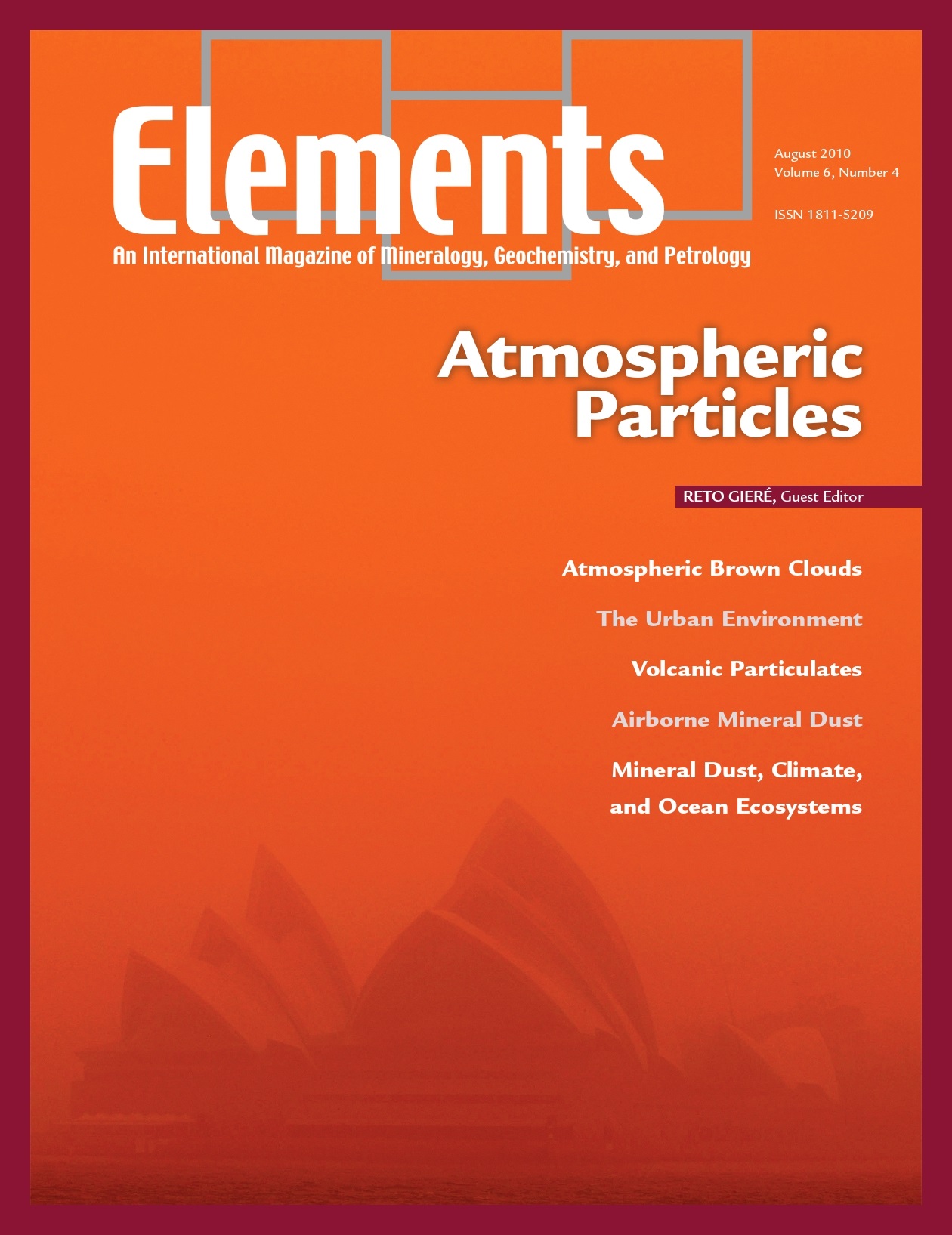
Atmospheric Particles, August 2010, Vol. 6, No. 4
$20.00
Solid atmospheric particles range in size from a few nanometers to several micrometers and are generated through both natural processes and human activity. Even though these particles are derived from spatially limited source areas and typically become airborne during short-term events, they are ubiquitous globally due to atmospheric circulation.
Atmospheric Particles
August 2010, Vol. 6, No. 4
Solid atmospheric particles range in size from a few nanometers to several micrometers and are generated through both natural processes and human activity. Even though these particles are derived from spatially limited source areas and typically become airborne during short-term events, they are ubiquitous globally due to atmospheric circulation. Depending on their physical and chemical properties, these solid aerosols have a major impact on the radiative properties of the atmosphere and glaciers, on cloud condensation, and on the chemical composition of oceans and soils. Because these particles affect transportation and human health, they have recently become the focus of government attention and regulation. This issue of Elements explores the atmosphere as an exciting new research area for mineralogists and geochemists. It illustrates the most prominent types of atmospheric particles and discuss their key effects on climate and ecosystems worldwide.
Why You’ll Love Elements Magazine:
- Expert Contributors: Articles written by renowned researchers in the field of geoscience.
- Engaging Content: Join a community of readers who are passionate about Elements.
- Exceptional Quality: Each issue is printed on high-quality paper with stunning visuals and detailed illustrations that bring complex scientific concepts to life.
Order your copy of the August 2010 issue of Elements magazine today and delve into atmospheric particles.
Related products
-
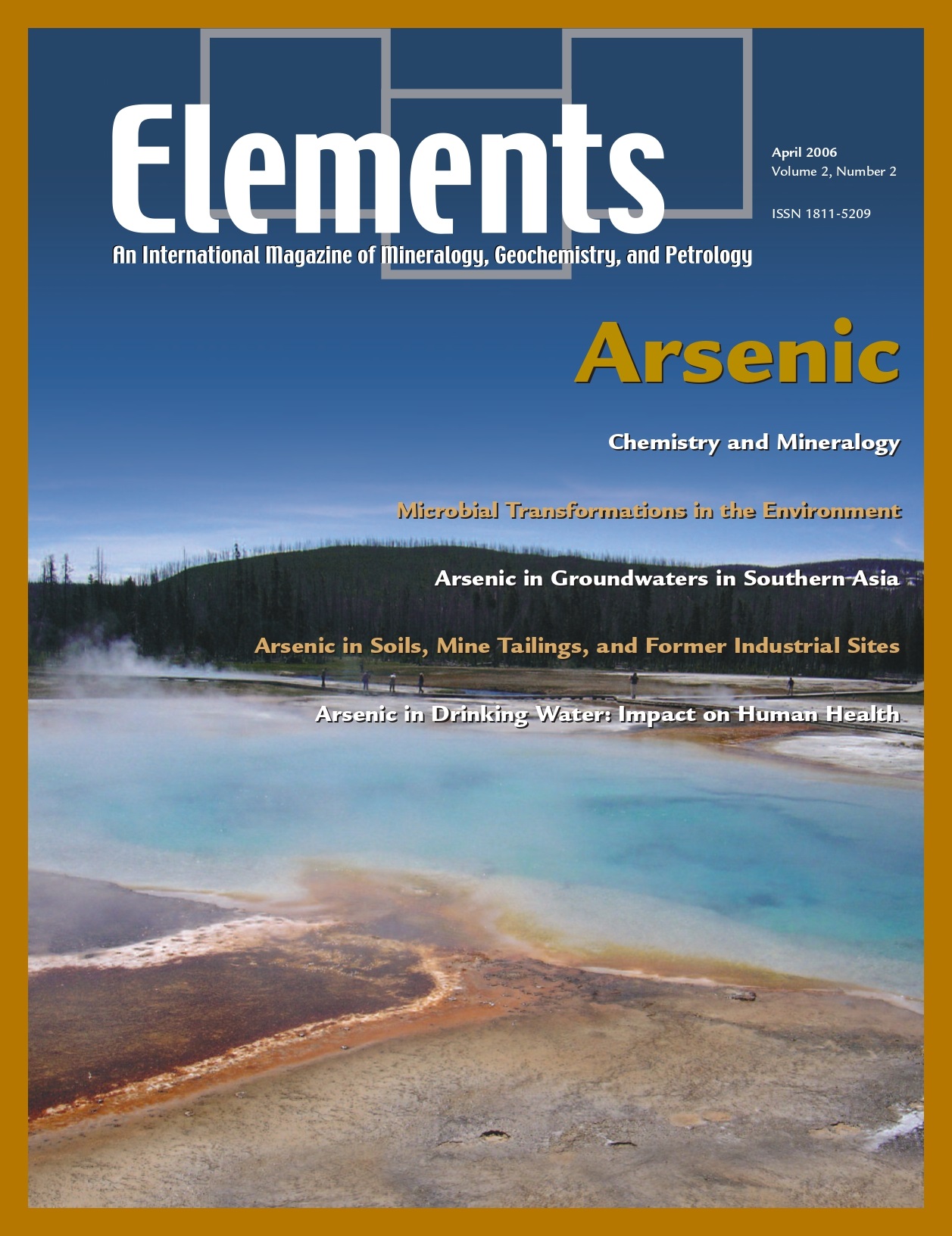
Arsenic, April 2006, Vol. 2, No. 2
$20.00Arsenic is an element known throughout history as a classic poison. Currently, very small but highly significant concentrations of this element in drinking water supplies are causing massive health problems to many millions of people in some of the world’s poorest nations, and more localised sources related to mining and processing are also a concern.
-
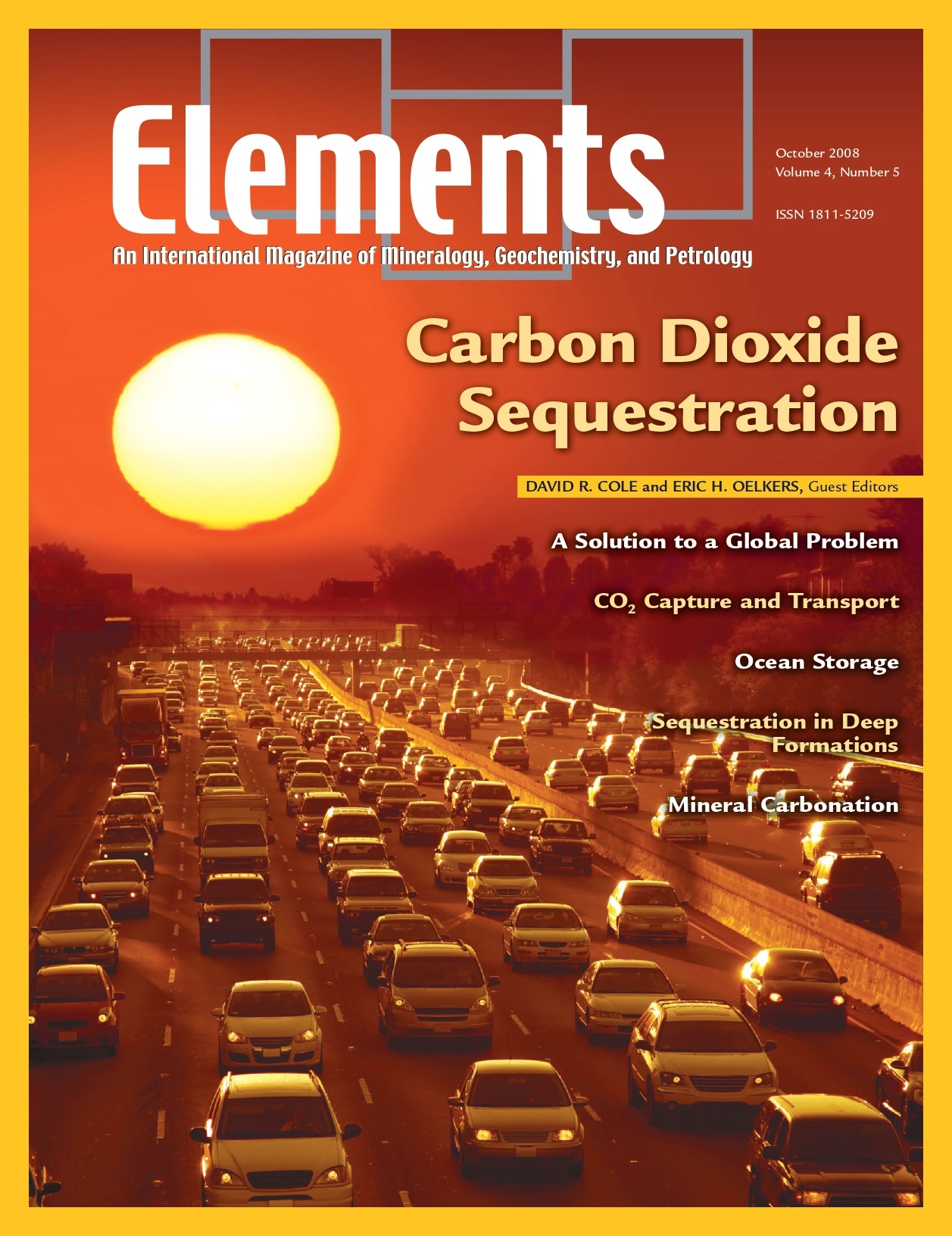
Carbon Dioxide Sequestration, October 2008, Vol. 4, No. 5
$20.00Storage of carbon in the subsurface involves introduction of supercritical CO2 into rock formations beneath the surface of the Earth, typically at depths of 1000 to 4000 meters. Although CO2 is a relatively benign substance, the volume being considered is large.
-
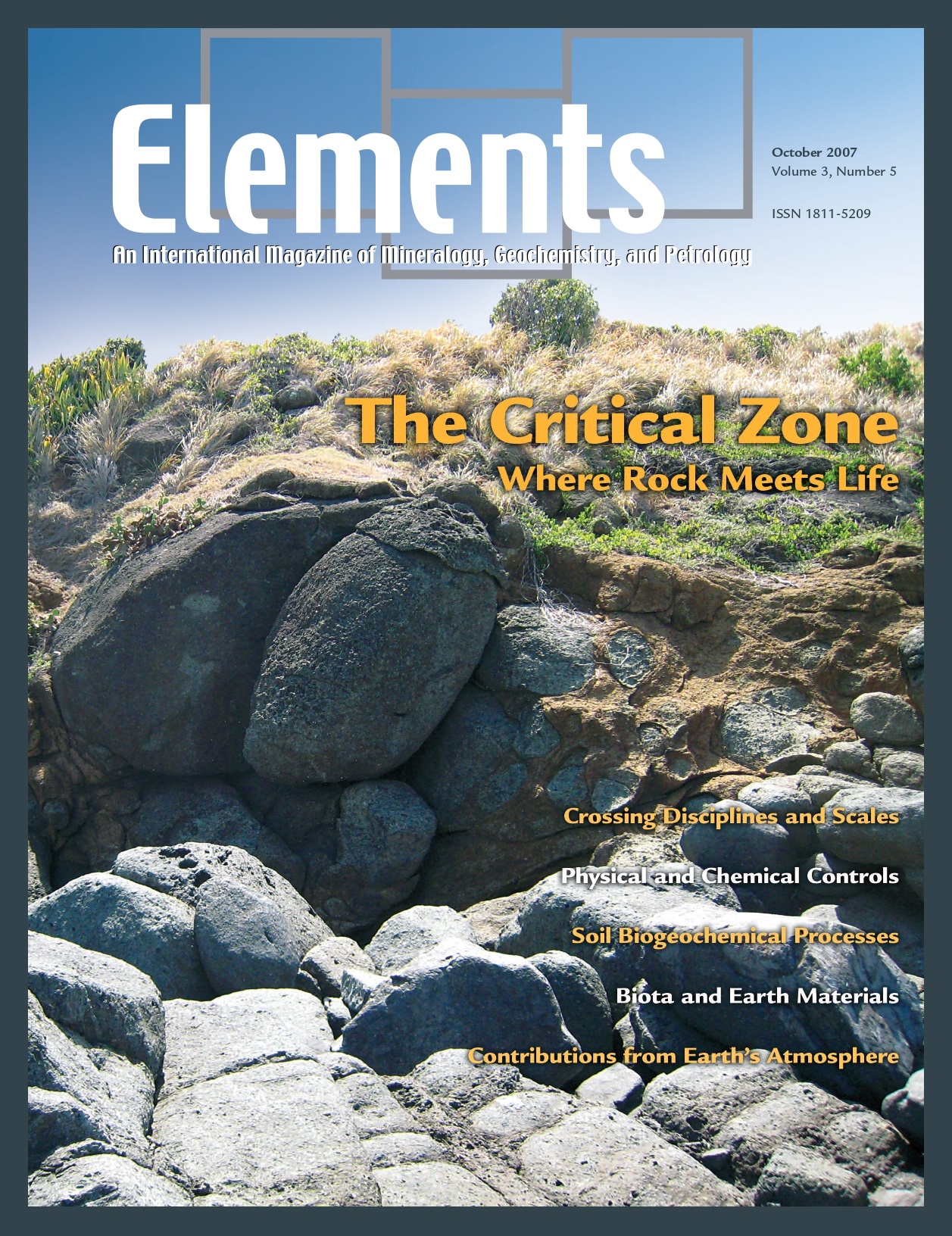
The Critical Zone, October 2007, Vol. 3, No. 5
$20.00The Critical Zone (CZ) encompasses all fluid, mineral, gaseous, and biotic components from the outer envelope of vegetation down to the lower limit of groundwater. It supports much of life on Earth.