Atmospheric Particles, August 2010, Vol. 6, No. 4
June 28, 2024
Sustainable Remediation Of Soils, December 2010, Vol. 6, No. 6
June 28, 2024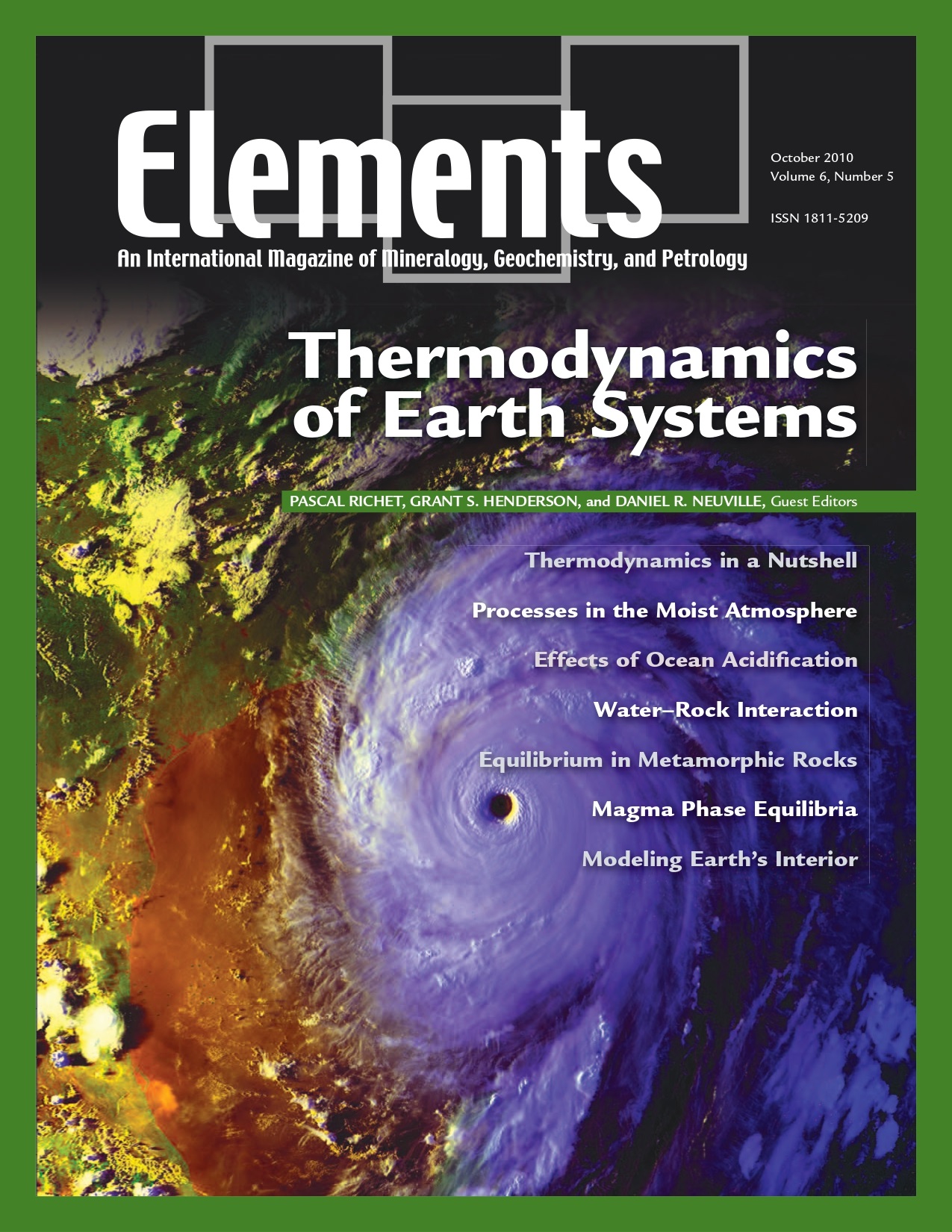
Thermodynamics Of Earth Systems, October 2010, Vol. 6, No. 5
$20.00
During the past decades, thermodynamics has become an essential tool for understanding fundamental processes that have determined the structure and evolution of our planet. From the atmosphere to the ocean and sediments, from metamorphic terranes to magmatic provinces, the lower mantle, and the core, this issue of Elements illustrates how a better understanding of the manner in which free energy depends on temperature, pressure, and chemical composition allows the Earth’s activity to be better deciphered.
Thermodynamics Of Earth Systems
October 2010, Vol. 6, No. 5
During the past decades, thermodynamics has become an essential tool for understanding fundamental processes that have determined the structure and evolution of our planet. From the atmosphere to the ocean and sediments, from metamorphic terranes to magmatic provinces, the lower mantle, and the core, this issue of Elements illustrates how a better understanding of the manner in which free energy depends on temperature, pressure, and chemical composition allows the Earth’s activity to be better deciphered. At a time when climate change has become a major concern, thermodynamic studies of the atmosphere and ocean have not only an academic interest, but also considerable practical importance.
Why You’ll Love Elements Magazine:
- Expert Contributors: Articles written by renowned researchers in the field of geoscience.
- Engaging Content: Join a community of readers who are passionate about Elements.
- Exceptional Quality: Each issue is printed on high-quality paper with stunning visuals and detailed illustrations that bring complex scientific concepts to life.
Order your copy of the October 2010 issue of Elements magazine today and learn about the thermodynamics of Earth systems.
Related products
-
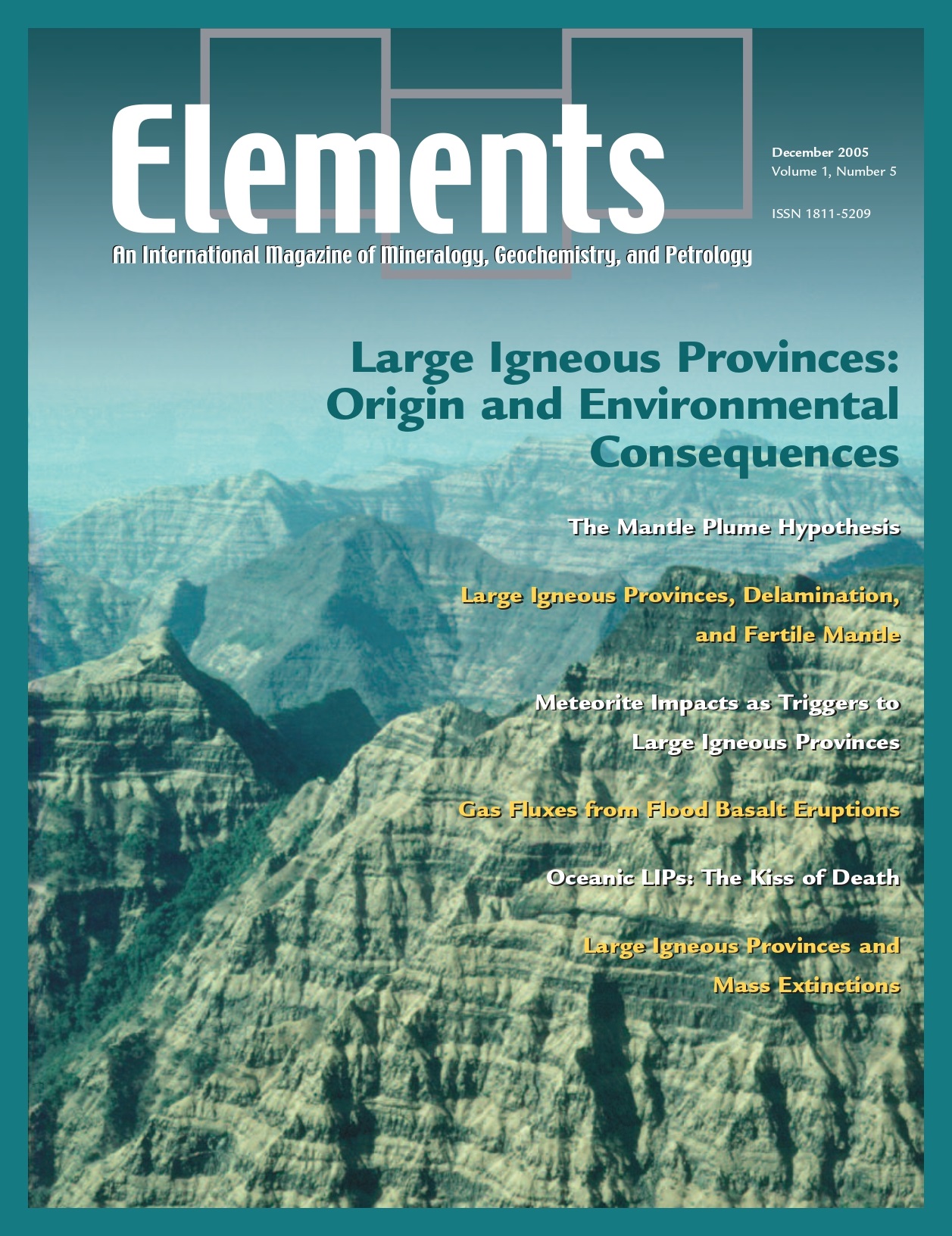
Large Igneous Provinces: Origin And Environmental Consequences, December 2005, Vol. 1, No. 5
$20.00Large igneous provinces record major outpourings of igneous rocks, both on the continents and in ocean basins. Their origin is still vigorously disputed, with models invoking mantle plumes, thermal effects of the lithosphere, and meteorite impacts.
-
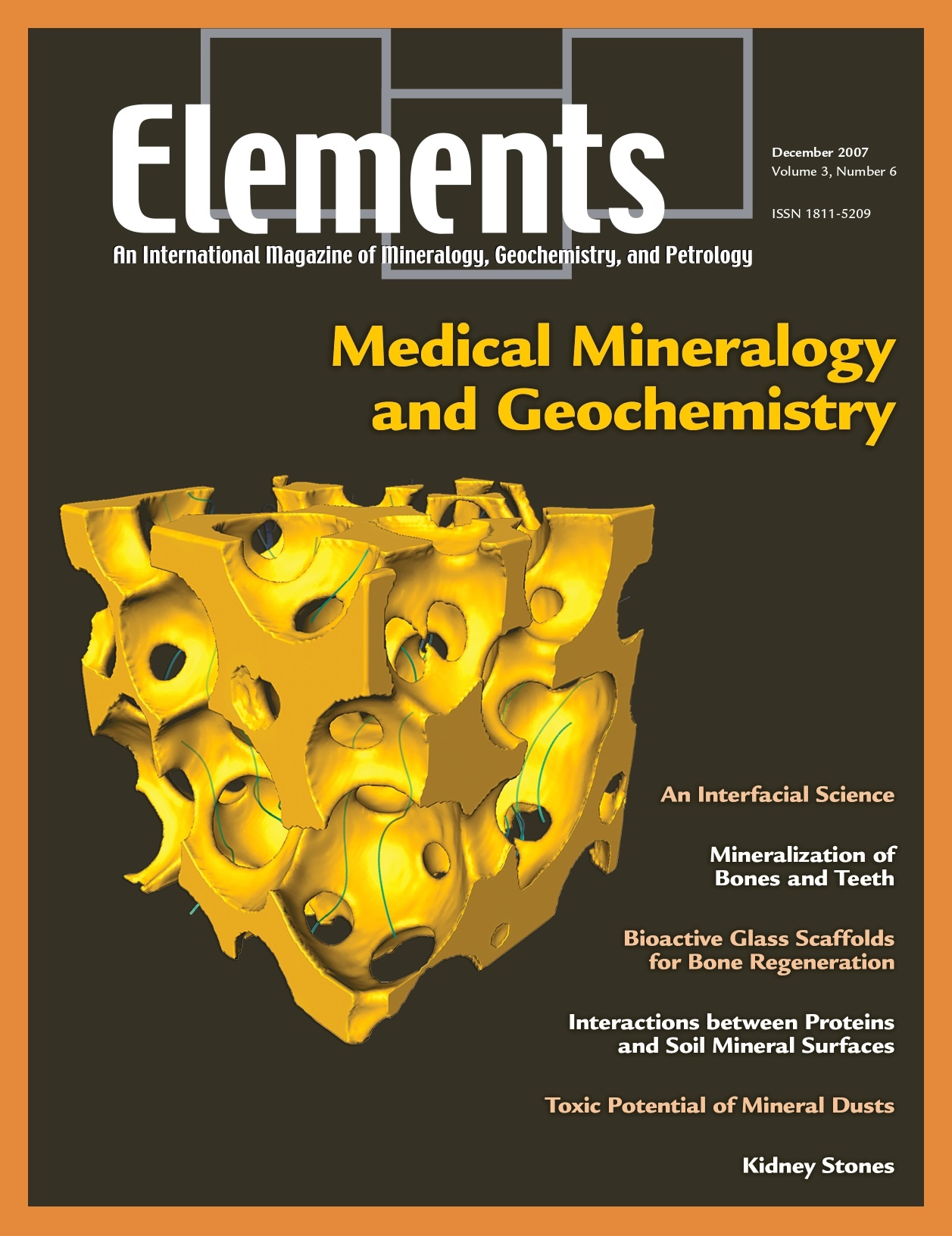
Medical Mineralogy And Geochemistry, December 2007, Vol. 3, No. 6
$20.00Medical mineralogy and geochemistry is an emergent, highly interdisciplinary field concerned with both normal and pathological interactions between minerals or amorphous inorganic solids and biomolecules or cells within the human body, and the transport and fate of prions and protein toxins in the soil environment. Prior research has, appropriately, focused on the complex genetic and molecular biological aspects, but there is a growing recognition of the vital need for understanding the surface and bulk properties and reactivities, especially at the challenging nanoscale characteristic of biomacromolecules and biominerals.
-
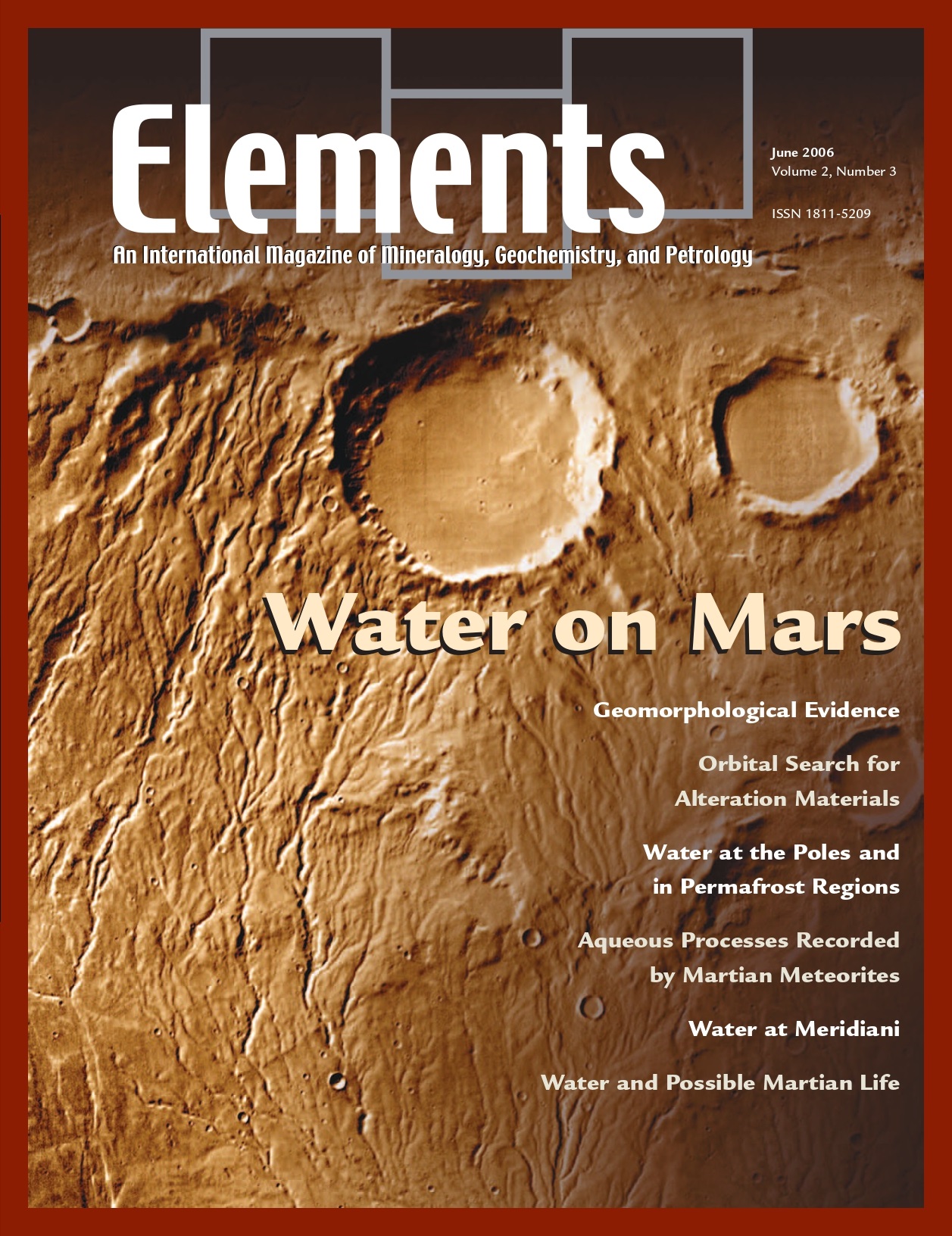
Water On Mars, June 2006, Vol. 2, No. 3
$20.00During the past several decades, spacecraft data have transformed the planets from astronomical objects into geologic worlds. Mars is the current focus of planetary exploration, and NASA’s objectives for this effort are based on the theme, “follow the water.