Deep-Mined Geological Disposal Of Radioactive Waste, August 2016, Vol. 12, No. 4
June 28, 2024
Origins Of Life: Transition From Geochemistry To Biogeochemistry, December 2016, Vol. 12, No. 6
June 28, 2024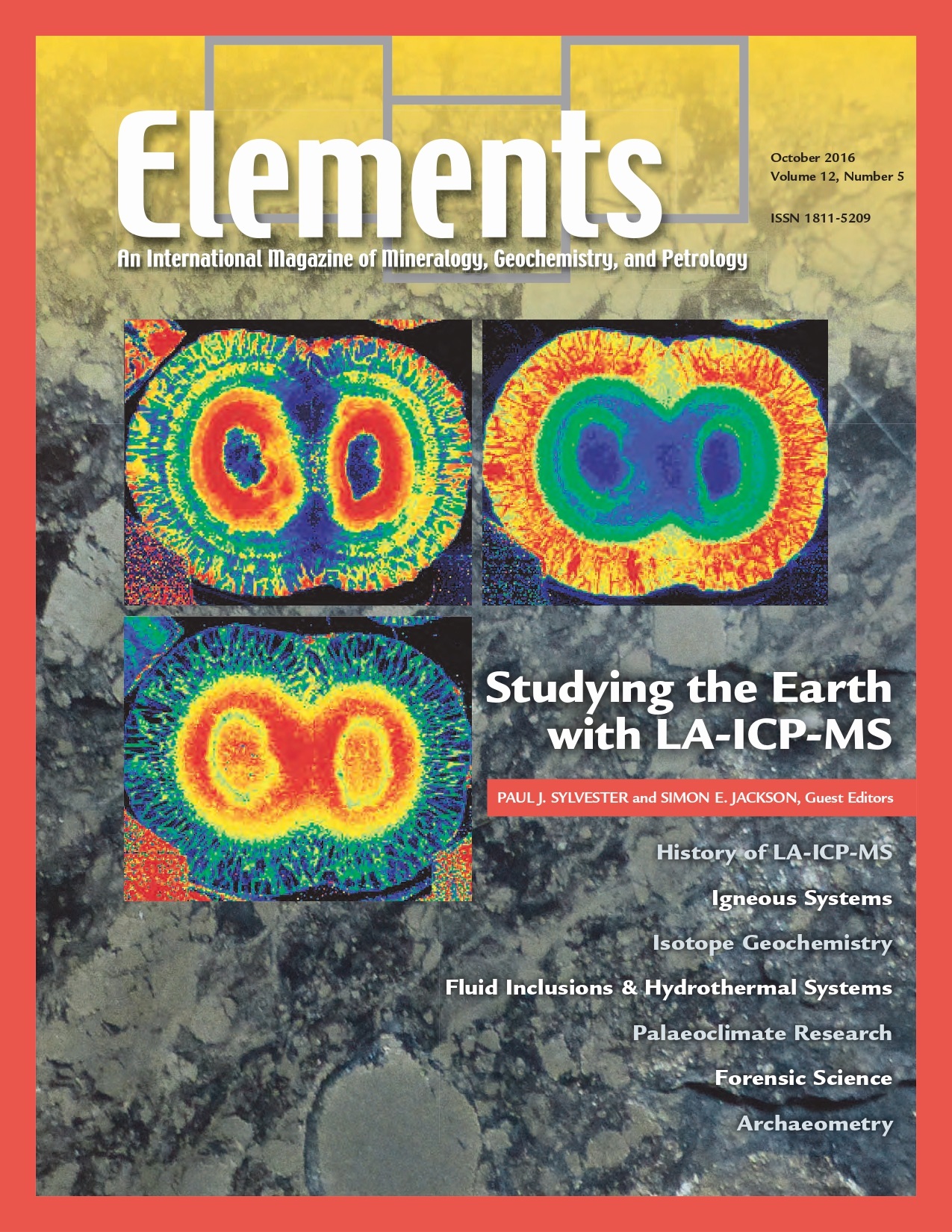
Studying The Earth Using La-ICPMS, October 2016, Vol. 12, No. 5
$20.00
Laser ablation – inductively coupled plasma mass spectrometry (LA-ICPMS) is a mature, but still developing, micro-analytical technique that has allowed significant research advances in many areas of the Earth sciences. The method produces quantitative elemental and isotopic analyses on the micrometer scale of most solid, and some liquid, materials across most of the periodic table.
Studying The Earth Using La-ICPMS
October 2016, Vol. 12, No. 5
Laser ablation – inductively coupled plasma mass spectrometry (LA-ICPMS) is a mature, but still developing, micro-analytical technique that has allowed significant research advances in many areas of the Earth sciences. The method produces quantitative elemental and isotopic analyses on the micrometer scale of most solid, and some liquid, materials across most of the periodic table. A key strength of the method is that it can detect changing conditions or processes over time by analysis of growth zones or domains in minerals and other objects. Recent developments in rapid-wash out ablation cells and data handling software permit elemental and isotopic mapping of materials. Because both inorganic and organic materials can be analyzed, abiotic and biotic processes, and their interactions, can be studied. This issue of Elements highlights applications of LA-ICPMS across the broad range of disciplines of interest to the Earth, environmental, and biological sciences that now rely on the technique and their interdisciplinary nature.
Why You’ll Love Elements Magazine:
- Expert Contributors: Articles written by renowned researchers in the field of geoscience.
- Engaging Content: Join a community of readers who are passionate about Elements.
- Exceptional Quality: Each issue is printed on high-quality paper with stunning visuals and detailed illustrations that bring complex scientific concepts to life.
Order your copy of the October 2016 issue of Elements magazine today and study the Earth using LA-ICPMS.
Related products
-
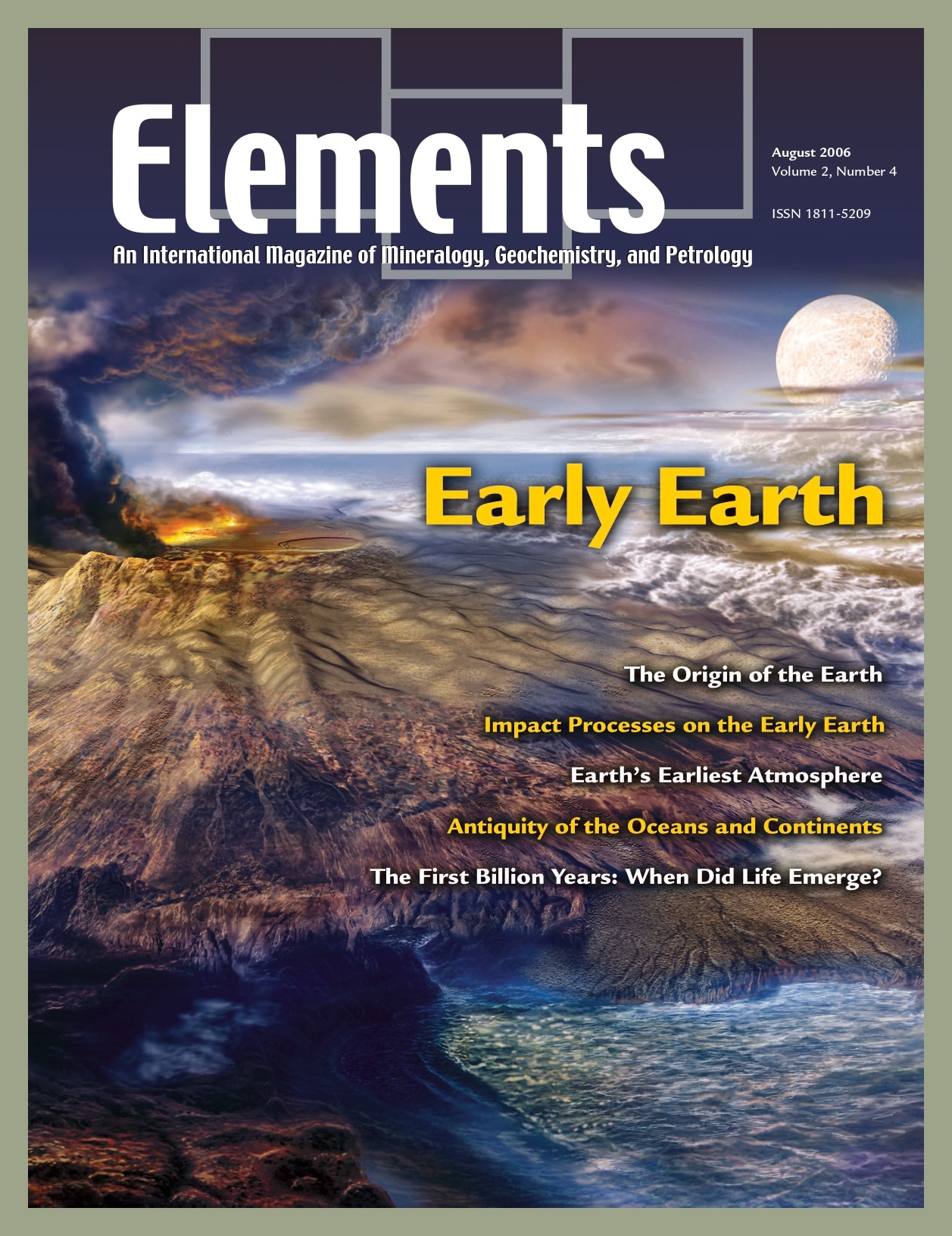
Early Earth, August 2006, Vol. 2, No. 4
$20.00The earliest Earth was a strange inhospitable world, yet transitions occurred culminating in the evolution of life within the first billion years. The preservation of a sparse and ambiguous rock record has encouraged debate.
-
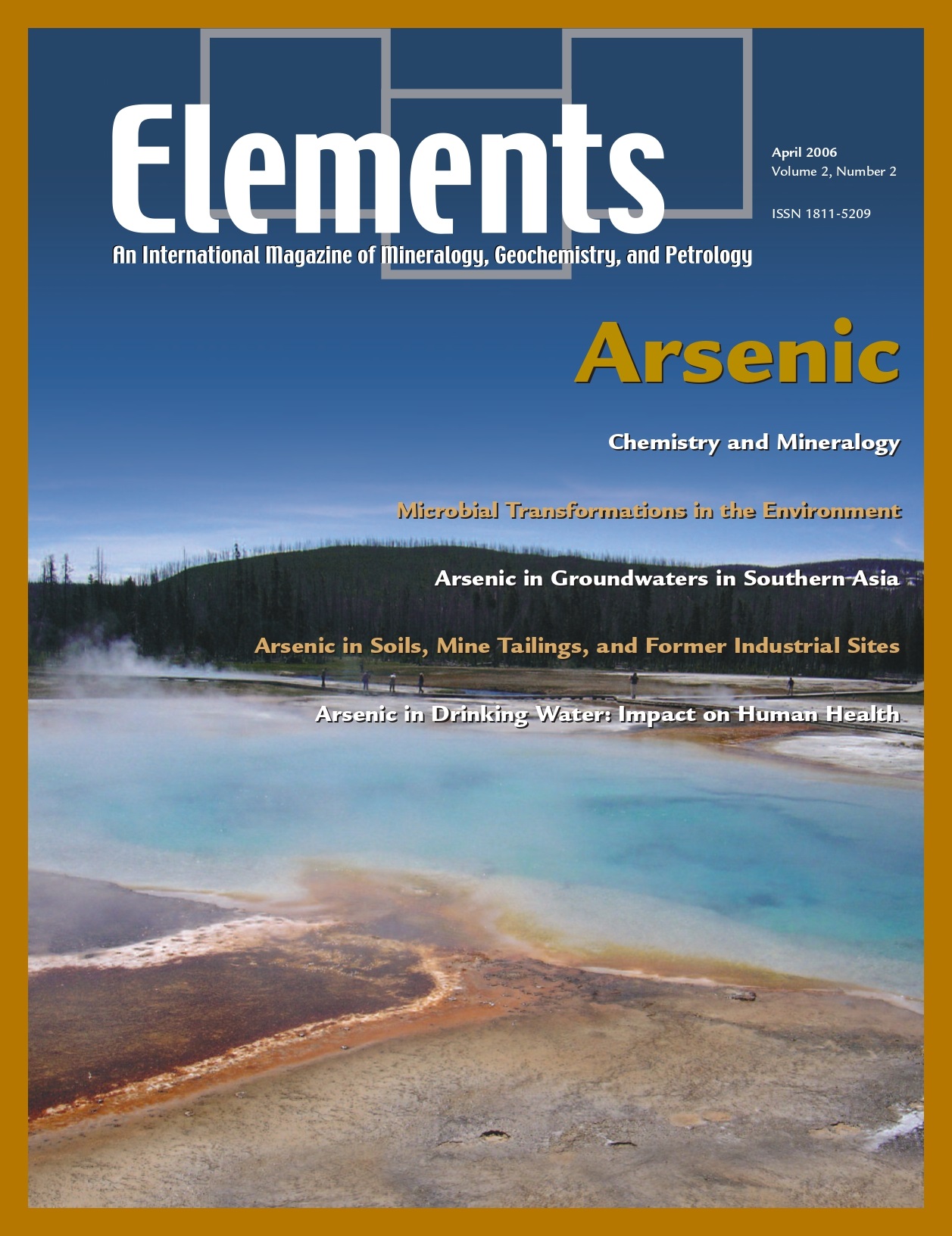
Arsenic, April 2006, Vol. 2, No. 2
$20.00Arsenic is an element known throughout history as a classic poison. Currently, very small but highly significant concentrations of this element in drinking water supplies are causing massive health problems to many millions of people in some of the world’s poorest nations, and more localised sources related to mining and processing are also a concern.
-
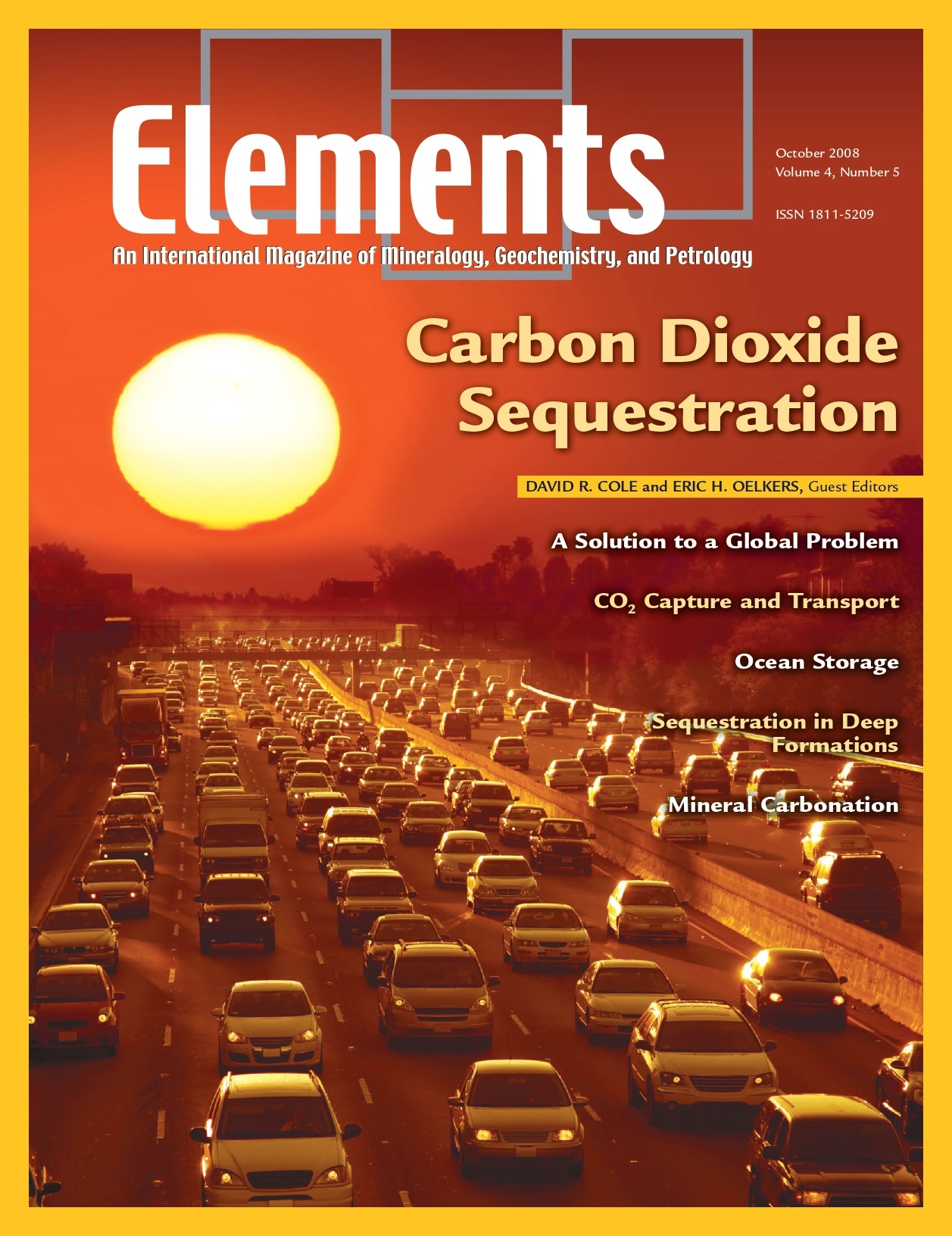
Carbon Dioxide Sequestration, October 2008, Vol. 4, No. 5
$20.00Storage of carbon in the subsurface involves introduction of supercritical CO2 into rock formations beneath the surface of the Earth, typically at depths of 1000 to 4000 meters. Although CO2 is a relatively benign substance, the volume being considered is large.