The Variscan Orogeny in Europe – Understanding Supercontinent Formation, December 2025, Vol. 21, No. 6
May 11, 2026
Mineral Physics Applied to Earth and Planetary Sciences, April 2026, Vol. 22, No. 2
May 11, 2026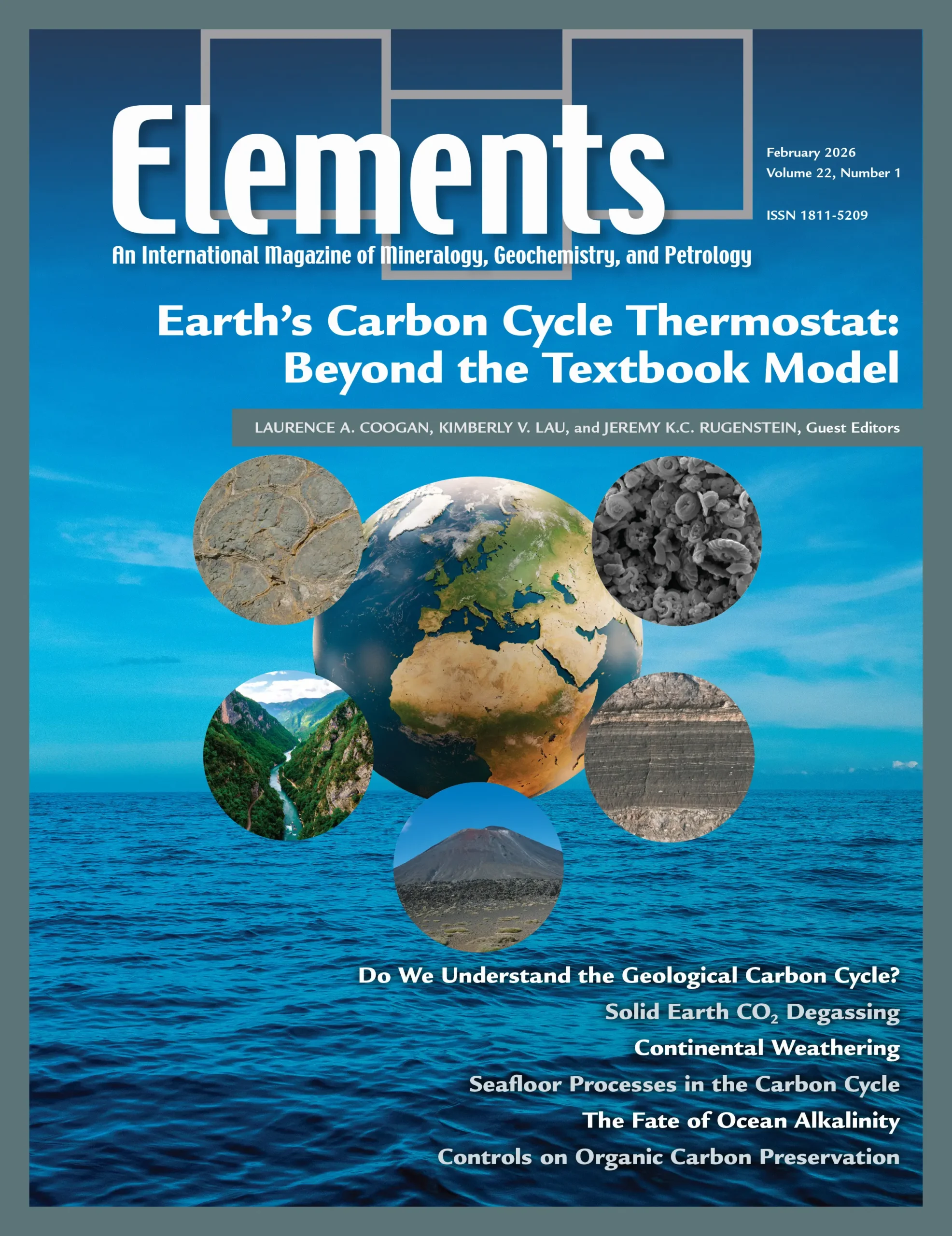
Earth’s Carbon Cycle Thermostat: Beyond the Textbook Model, February 2026, Vol. 22, No. 1
$20.00
Earth’s geological carbon cycle plays a vital role in maintaining the planet’s climate and supporting life. Often described as a natural “thermostat,” this complex system helps regulate atmospheric carbon dioxide levels and prevents extreme global temperature fluctuations over geological timescales. Traditional models explain this balance through interactions between volcanic degassing, atmospheric CO2, continental silicate weathering, and carbonate mineral formation.
Earth’s Carbon Cycle Thermostat: Beyond the Textbook Model
June 2025, Vol. 22, No. 1
Earth’s geological carbon cycle plays a vital role in maintaining the planet’s climate and supporting life. Often described as a natural “thermostat,” this complex system helps regulate atmospheric carbon dioxide levels and prevents extreme global temperature fluctuations over geological timescales. Traditional models explain this balance through interactions between volcanic degassing, atmospheric CO2, continental silicate weathering, and carbonate mineral formation.
However, new scientific discoveries reveal that Earth’s carbon cycle is far more dynamic and complex than previously understood. This issue explores emerging theories and alternative mechanisms that may significantly influence long-term climate regulation, including seafloor weathering, organic carbon cycling, ocean alkalinity dynamics, and variations in carbon degassing rates. Researchers continue to investigate the uncertainties surrounding the processes that control Earth’s life-support system and climate stability.
Why You’ll Love Earth’s Carbon Cycle Thermostat: Beyond the Textbook Model:
- Climate Regulation Insights: Discover how Earth’s carbon cycle helps stabilize global temperatures across millions of years.
- Beyond Traditional Models: Explore new scientific perspectives on carbon degassing, weathering, and ocean chemistry.
- Cutting-Edge Earth Science Research: Learn about the major unanswered questions surrounding the planet’s long-term climate and life-support systems.
Expand your understanding of Earth’s climate processes and uncover how modern research is reshaping our knowledge of the geological carbon cycle and planetary habitability.
Related products
-
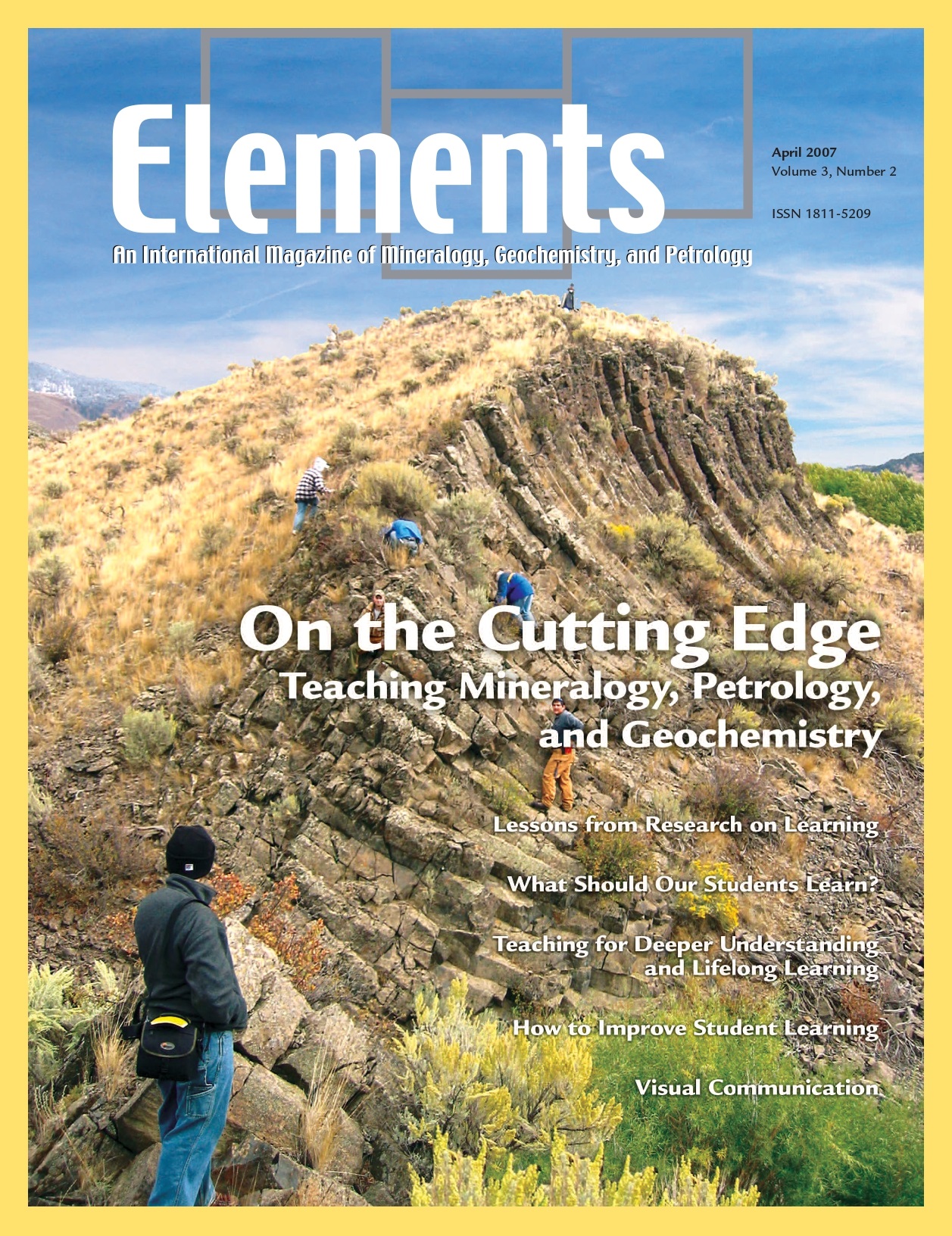
On The Cutting Edge: Teaching Mineralogy, Petrology, And Geochemistry, April 2007, Vol. 3, No. 2
$20.00New advances in research on learning have important implications for teaching mineralogy, petrology, and geochemistry. Effective instructional practices are increasingly student centered, address diverse student learning styles, and employ a variety of active-learning strategies.
-
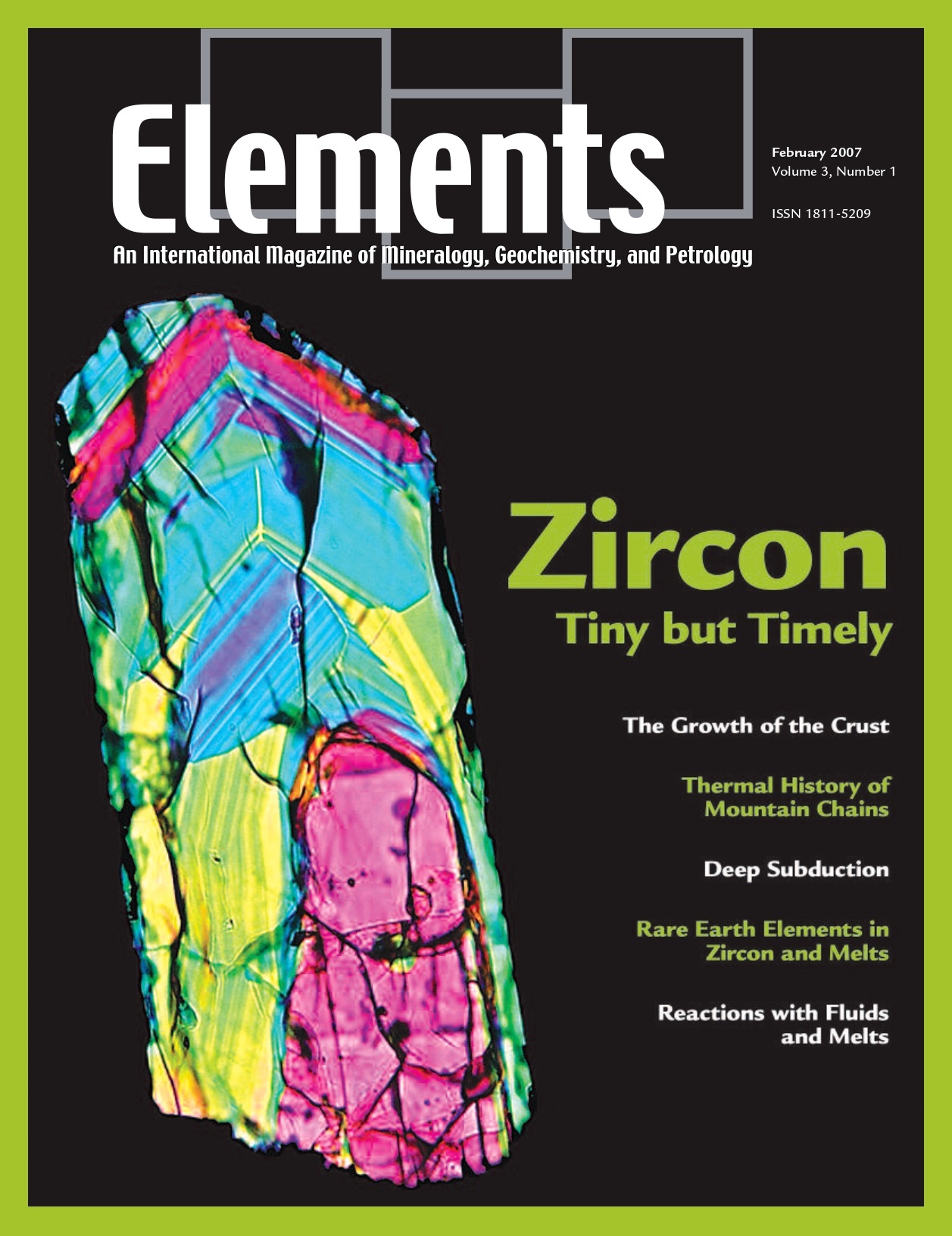
Zircon – Tiny But Timely, February 2007, Vol. 3, No. 1
$20.00Where would Earth science be without zircon? As Earth’s timekeeper, zircon has proven to be a remarkable and versatile mineral, providing insights into deep time and ancient Earth processes. However, there is still much to learn about Earth’s history from zircon and its behaviour.
-
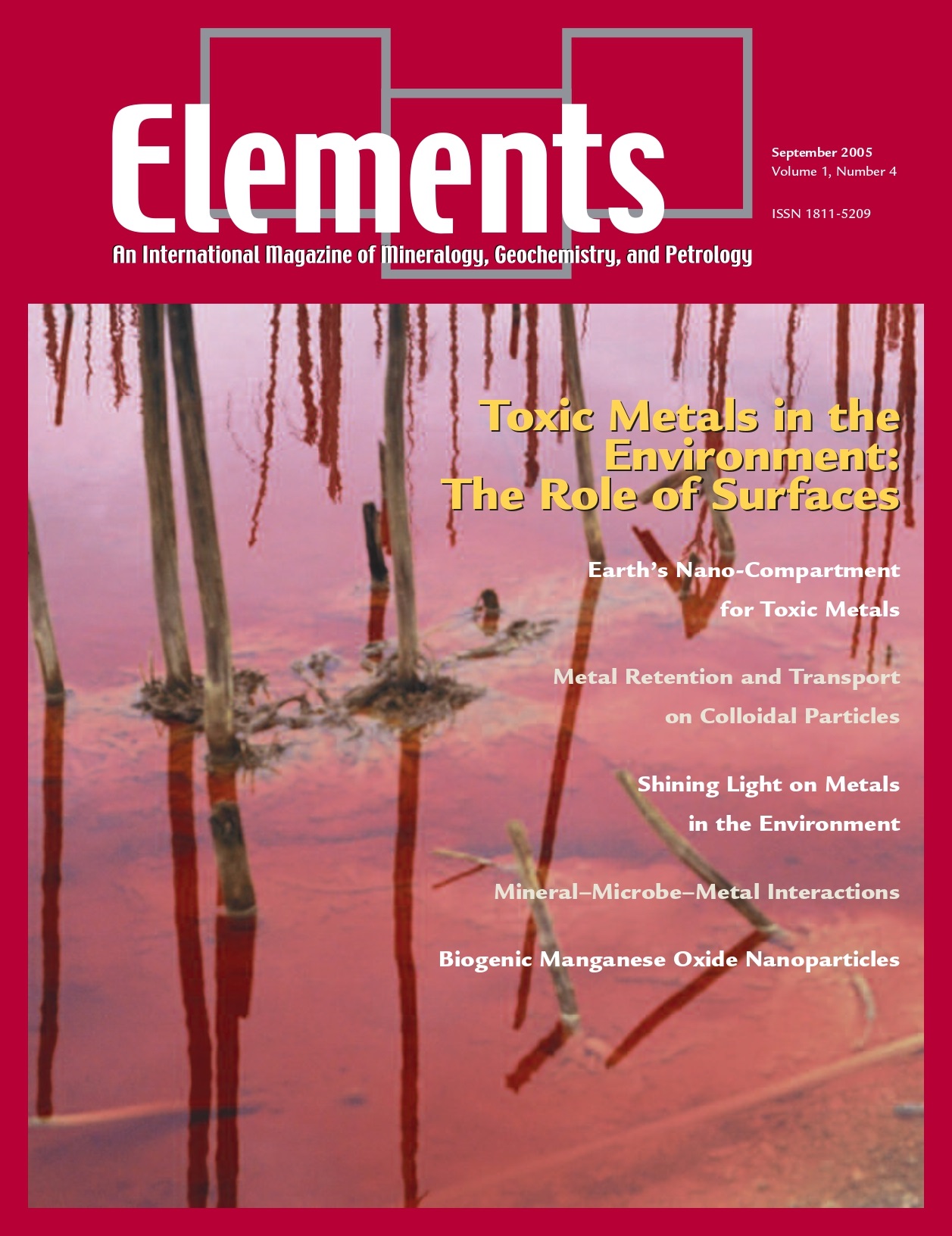
Toxic Metals In The Environment: The Role Of Surfaces, September 2005, Vol. 1, No. 4
$20.00Metals are prevalent in the environment. They are derived from both natural and anthropogenic sources.